Explore our top-tier industrial belts, custom manufactured components, and heavy-duty idler configurations engineered for high efficiency and minimal wear.
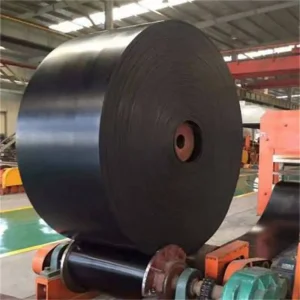
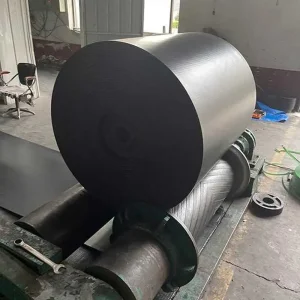
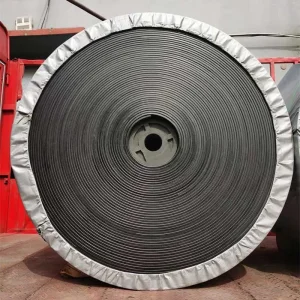
With an established 22-year manufacturing heritage, Hebei Boao Rubber Technology Co., Ltd. continues to define excellence in industrial bulk material handling systems.
 22
22
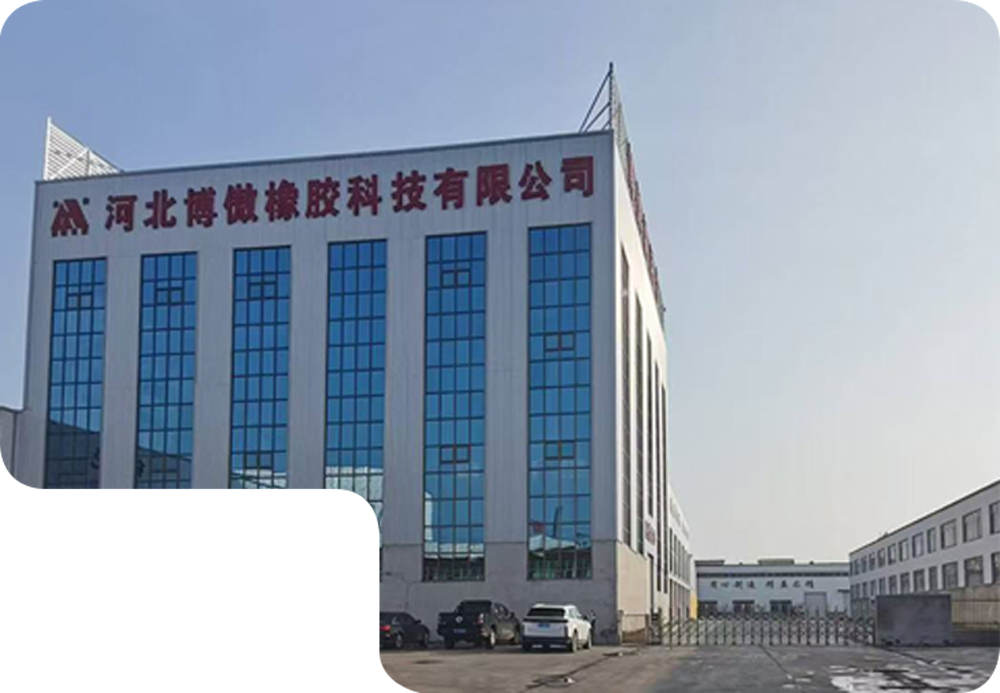
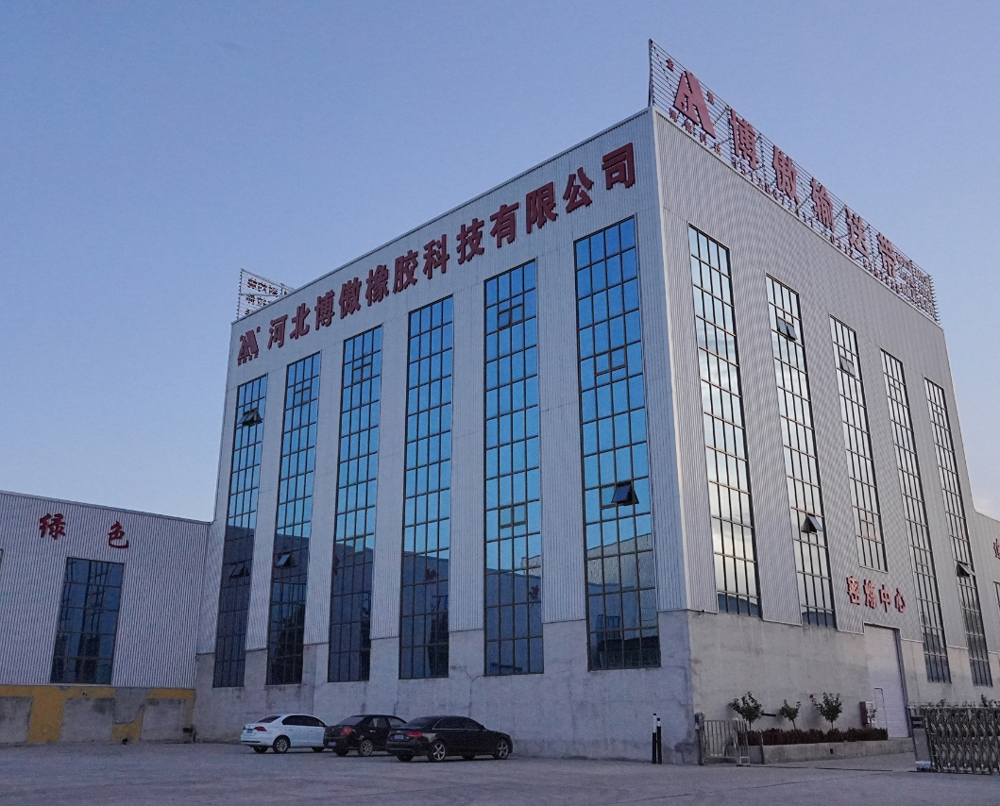
Established in 2004, Hebei Boao Rubber Technology Co., Ltd. is situated in the prestigious Rubber Industrial Park of Boye County, Baoding, Hebei Province, China. Spanning over 30 acres of modern production grounds, we stand as an elite, research-driven manufacturer integrating design, production, testing, and dedicated technical field support.
Our renowned brand "Jinao" is synonymous with durability, structural integrity, and exceptional service life under critical operating loads. Armed with advanced machinery for raw material calendering, precision multi-ply forming, continuous plate vulcanization, and thorough laboratory-grade chemical testing, we deliver zero-defect guarantees on every batch shipped.
Understanding the critical thermodynamic, chemical, and physical stresses placed on modern bulk transport networks.
In modern industrial plants, rubber conveyor belts act as the vital circulatory system for bulk handling. Operating environments have grown increasingly harsh; material handling infrastructures must sustain heavy mechanical impact, abrasive friction, and prolonged exposure to chemical corrosives—all while coping with extreme temperatures. High-temperature resistant conveyor belts are designed explicitly to mitigate the thermal degradation that renders standard rubber networks brittle, leading to premature cracking, ply separation, and catastrophic failure.
When exposed to high-temperature materials (such as hot cement clinker, sinter ore, or chemicals), the elastomers within standard rubber covers undergo thermodynamic post-vulcanization and oxidation. This chemical cross-linking shifts the structural behavior from elastic to brittle, reducing overall tensile strength. To counter this, Boao’s Jinao® brand incorporates specialty EPDM (Ethylene Propylene Diene Monomer) rubbers, structured to withstand deep thermal degradation and deliver superior flexibility.
We classify our high-temperature resistant belts based on the thermal threshold of the material being transported, aligning with strict international standards (ISO 4195, DIN 22102):
Industrial giants across the globe face critical challenges regarding conveyor system downtimes. A single conveyor belt failure in a steel mill or power generator can disrupt an entire production chain, costing thousands of dollars per hour. Our solutions solve these specific challenges:
Conveying sinter material, coke dust, and hot slag. Requires heavy carcass protection to prevent burn-through from hot pockets of molten raw materials.
Transporting materials from rotary kilns. Requires excellent resistance to dry, abrasive heat combined with high flexural fatigue resistance.
Handling fly ash, bottom ash, and calcined fuels. Demands a combination of chemical stability, flame-retardant properties, and heat tolerance.
We believe in absolute transparency. Every square meter of Jinao® conveyor belt undergoes strict physics and chemical analysis in our dedicated, state-of-the-art facility.
Physical and Chemical Testing: From rubber compounding analysis to tensile pull tests on reinforcement layers, we ensure the high thermal performance of our products.
Advanced Vulcanization Control: Standard-compliant vulcanizing equipment ensures that ply adhesion remains stable under dynamic load cycles and thermal stress.
Rigorous Factory Audits: Unqualified raw materials are refused entry, and no finished product leaves the site without complete certification.
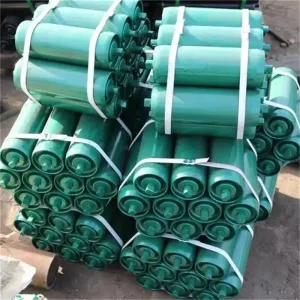
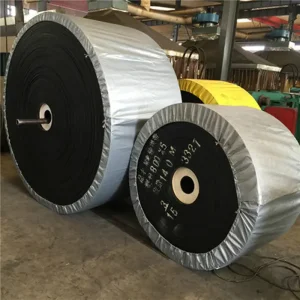
Hebei Boao Rubber Technology Co., Ltd. manufactures a wide array of specialized conveyor bands and supporting components designed to optimize bulk handling processes.
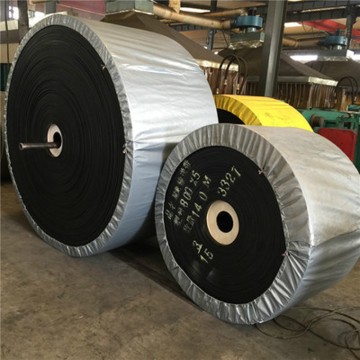
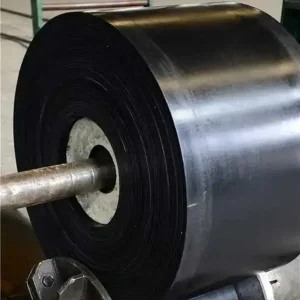
Designed to transport hot bulk materials without carcass separation or cover cracking. Ideal for sinter, cement, and chemical lines.
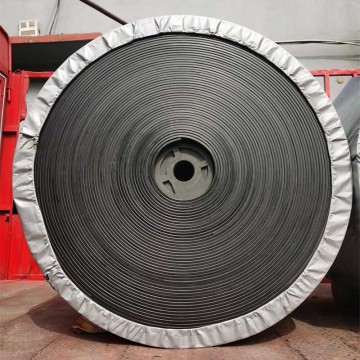
Formulated to maintain elasticity and structural integrity in sub-zero environments down to -50°C.
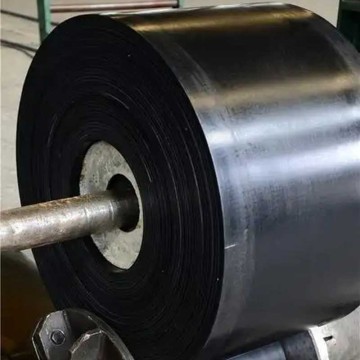
Shielded with synthetic polymers to resist chemical degradation, keeping material transport safe and continuous.
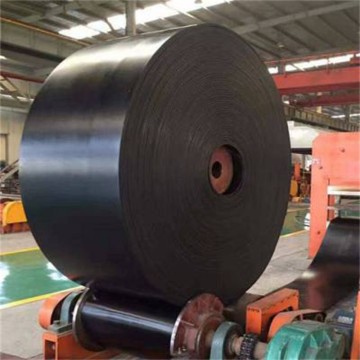
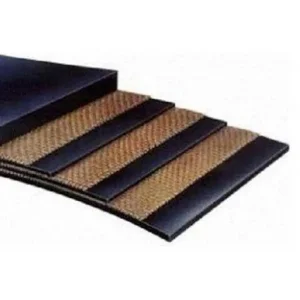
High-tension synthetic nylon fabric carcass offering exceptional elasticity, impact resistance, and long-term durability.
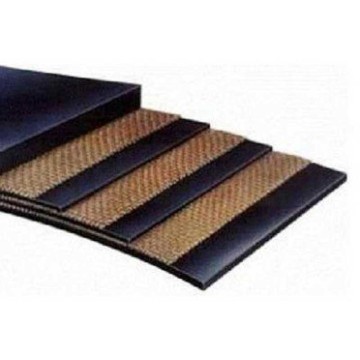
Our workhorse belt for common bulk handling, mining aggregates, soils, grains, and standard packaging applications.
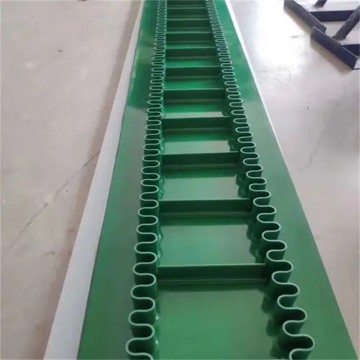
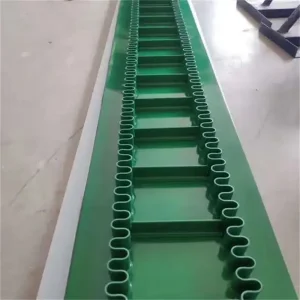
Synthesized for food processing, logistics hub sorting, pharmaceutical, and electronic assembly lines.
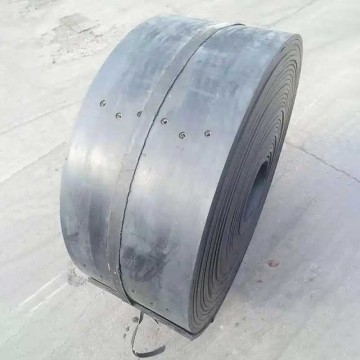
Designed for vertical bucket elevator systems, handling bulk material vertically with minimal elongational stretch.
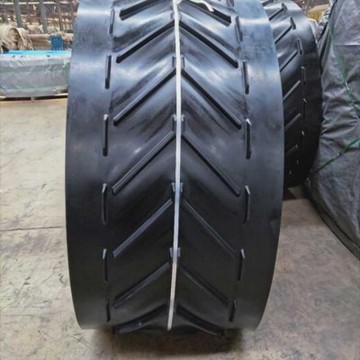
Features Chevron, herringbone, or custom textures to prevent material slippage during steep-incline transport.
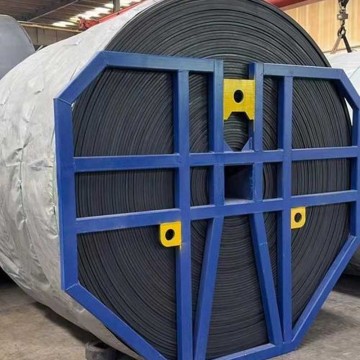
Combines high-tensile steel cords with transverse rip-protection mesh for extreme heavy-duty quarry and mining operations.
A glimpse into Hebei Boao Rubber Technology’s large-scale industrial park and manufacturing workshops.
Our products are trusted by blue-chip industrial organizations for their heavy material transport lines.
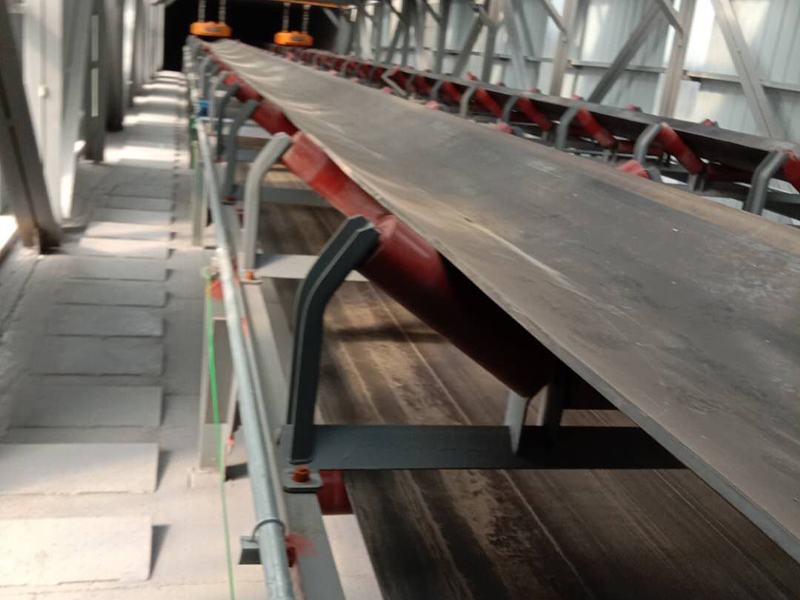
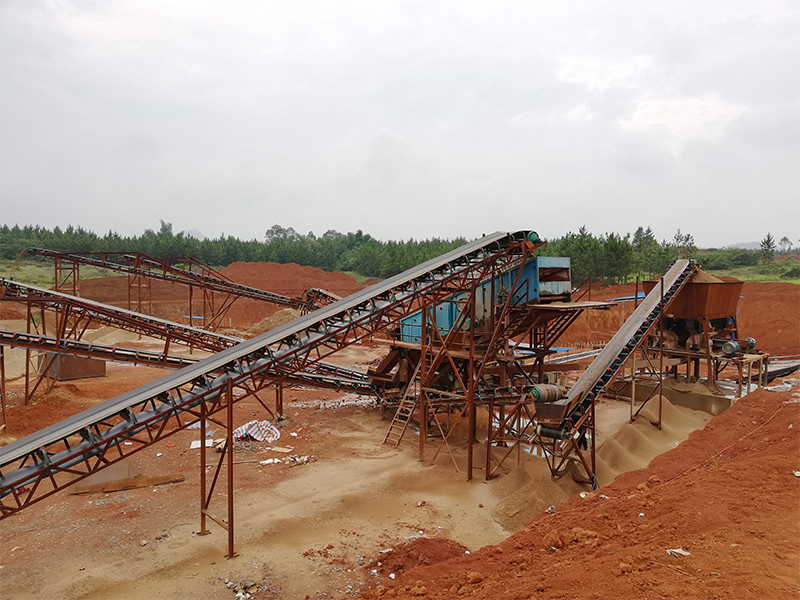
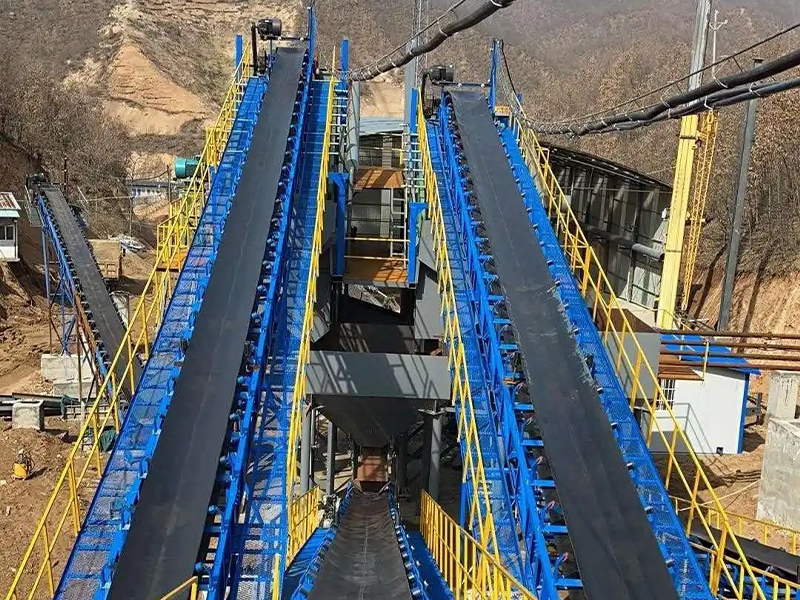
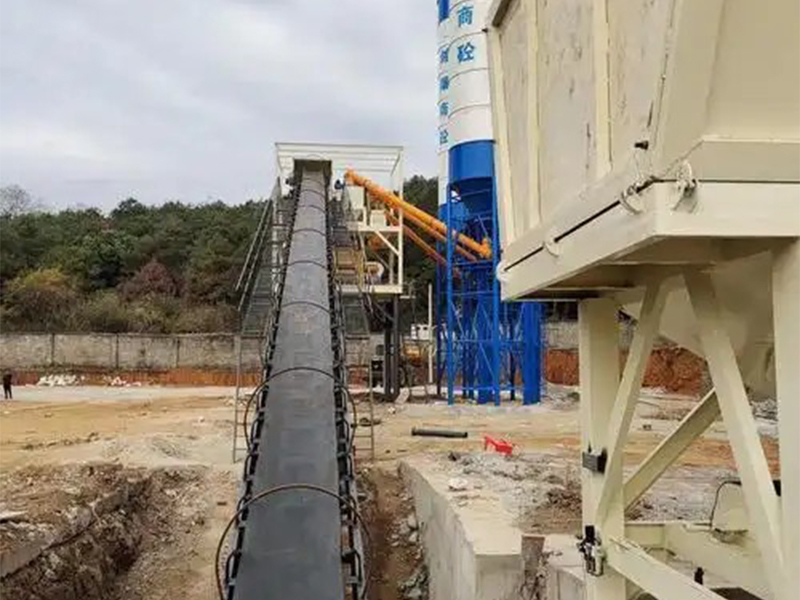
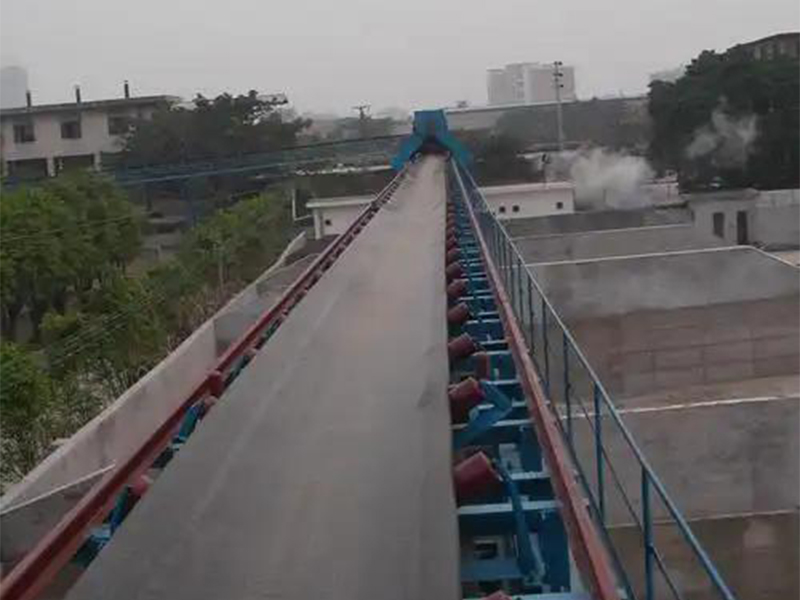
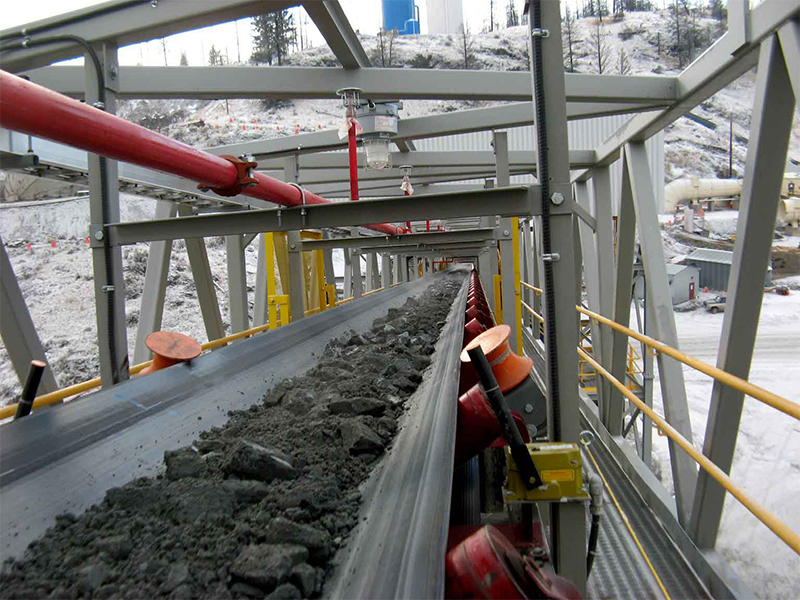
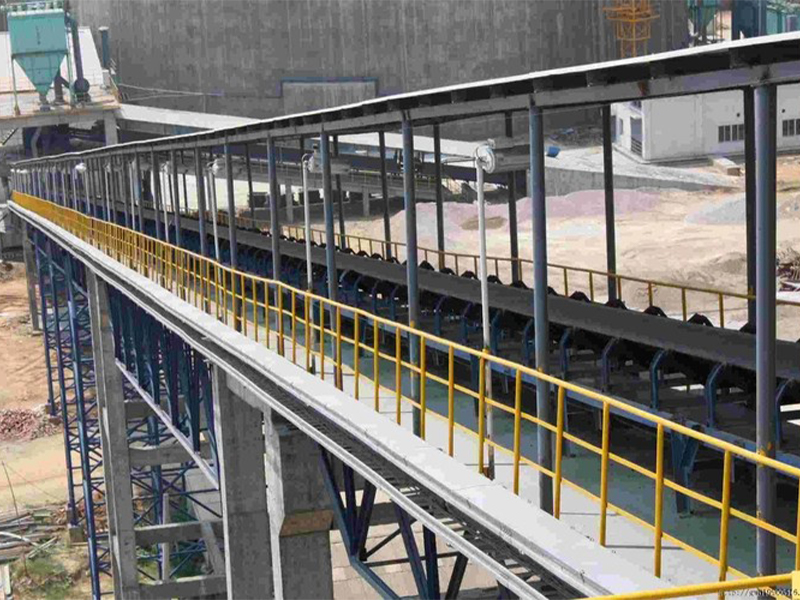
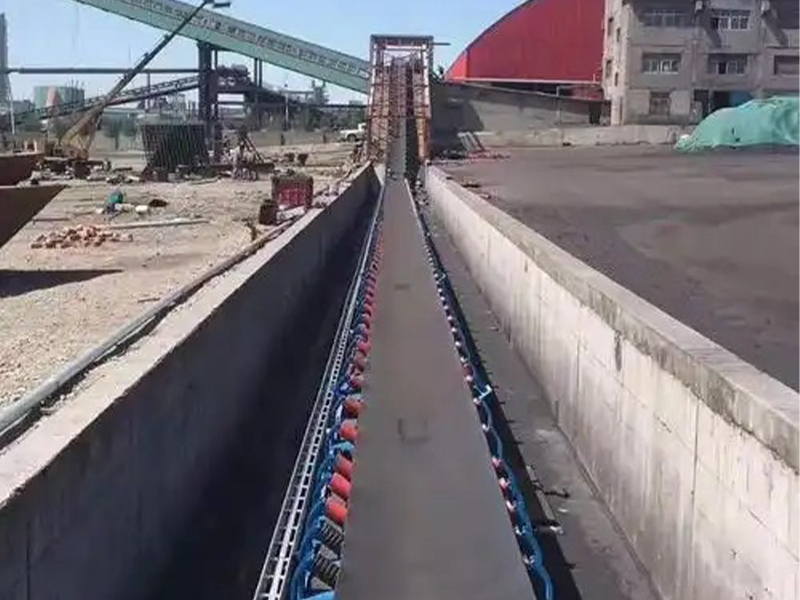
Skip the hassle of sourcing from multiple suppliers – our factory provides your ideal material handling solutions all in one place.
Our services include planned replacement, cold and hot vulcanized repair, systematic on-site inspection, dynamic tension maintenance, and emergency response for heavy-duty industrial conveyor systems.
We supply high-grade conveyor belts and raw vulcanizing repair materials. To ensure uninterrupted plant operations, we manage on-site safety stocks, perform regular inventory audits, carry out planned hot bonding splices, maintain cover rubber wear, and manage emergency repairs.
Our service standards focus on maximizing runtime, reducing belt wear, and ensuring mutual benefit for both parties. Our support plan is structured to keep equipment running safely and economically while extending the overall lifecycle of your conveyor installation.
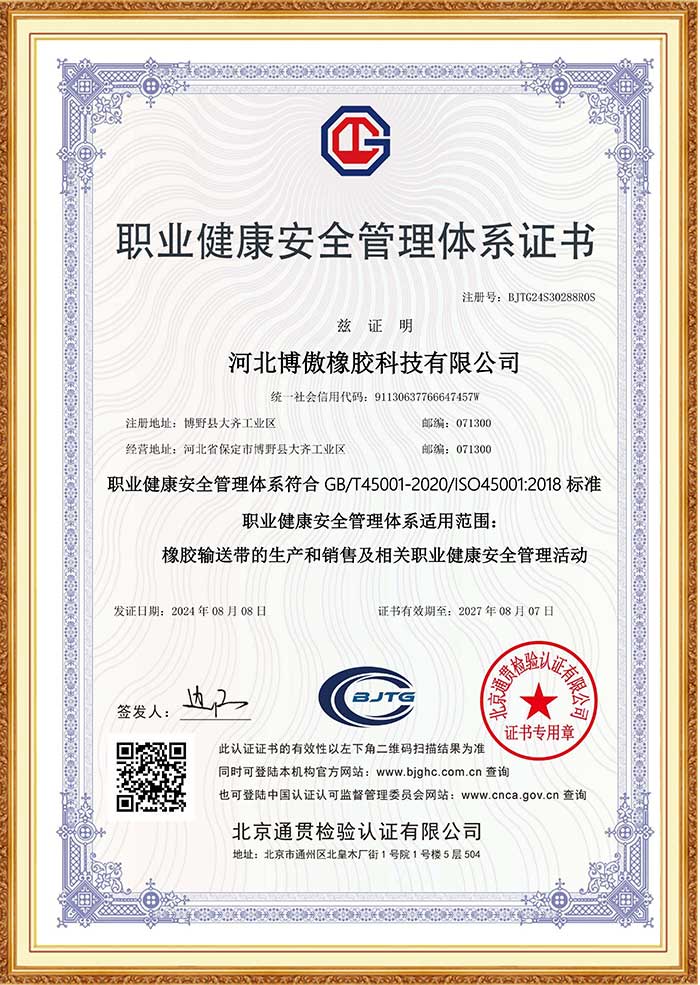
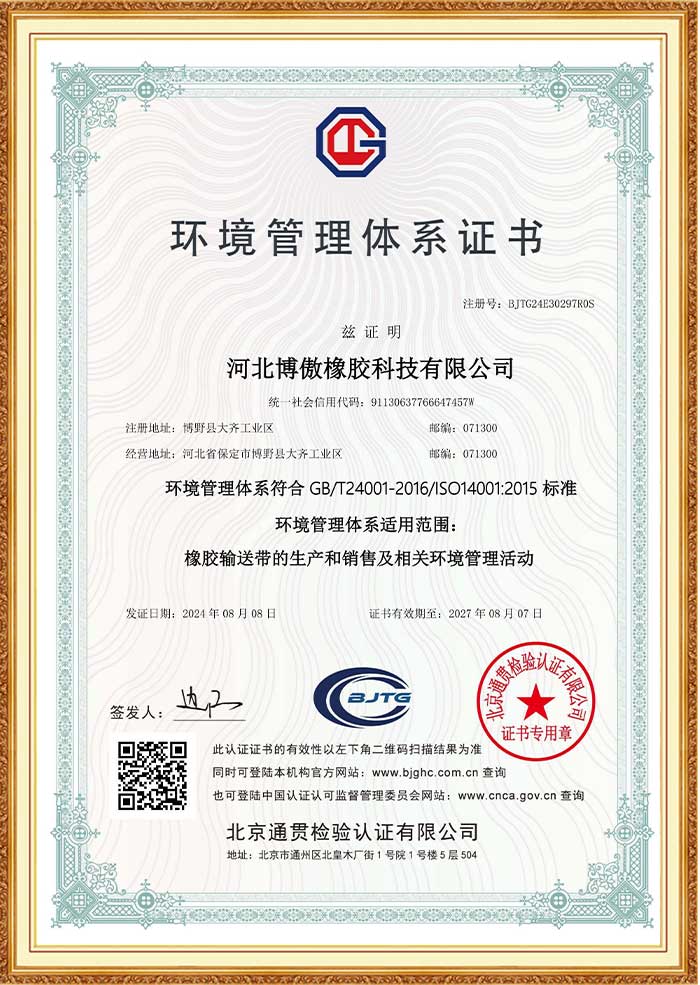
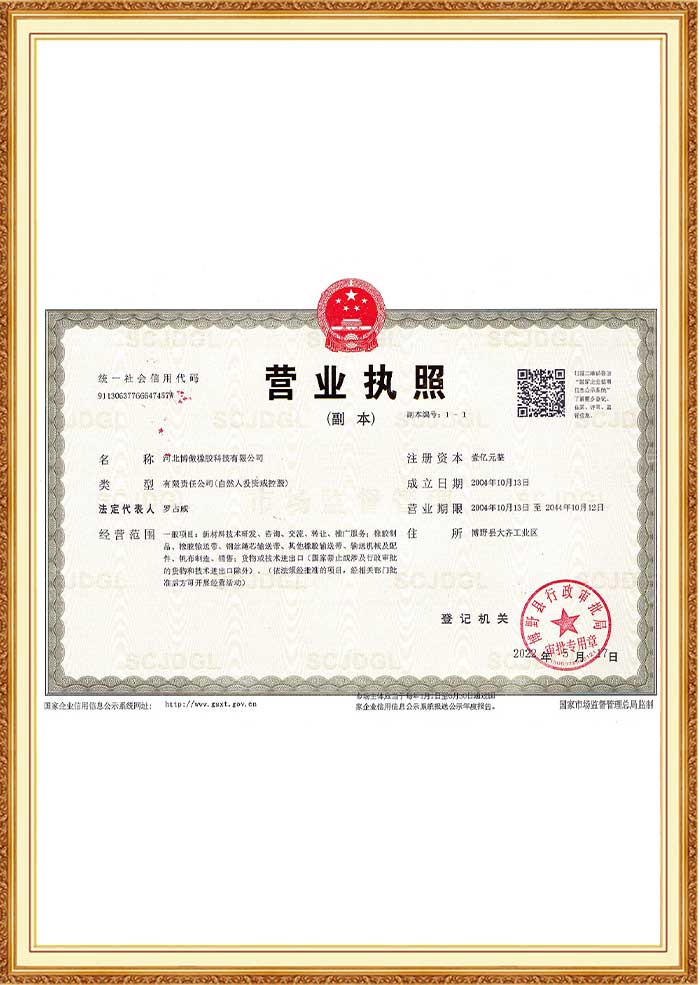
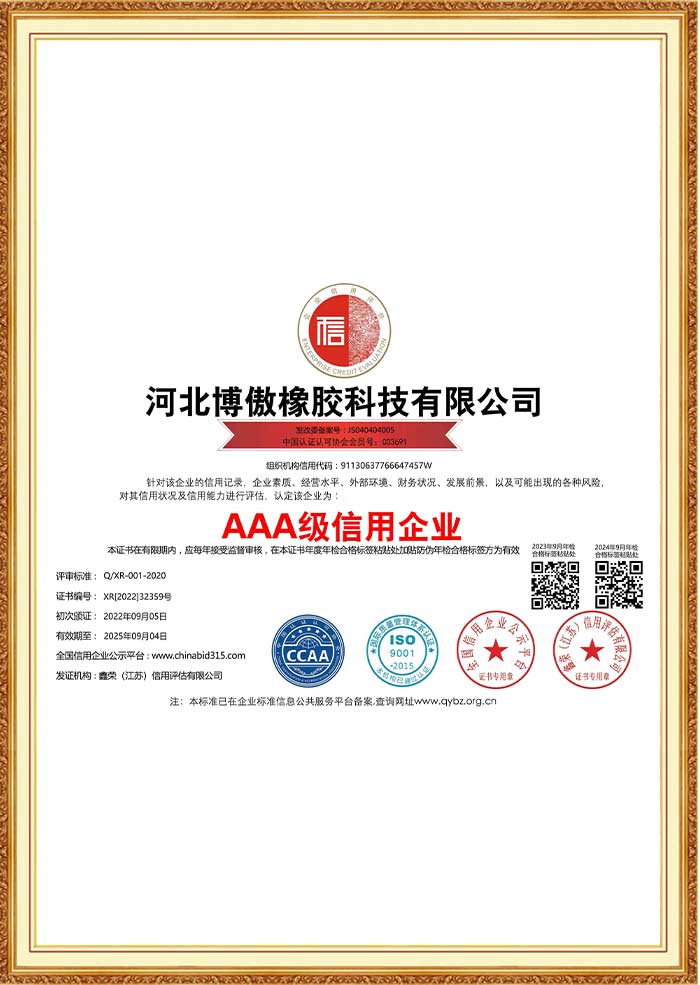
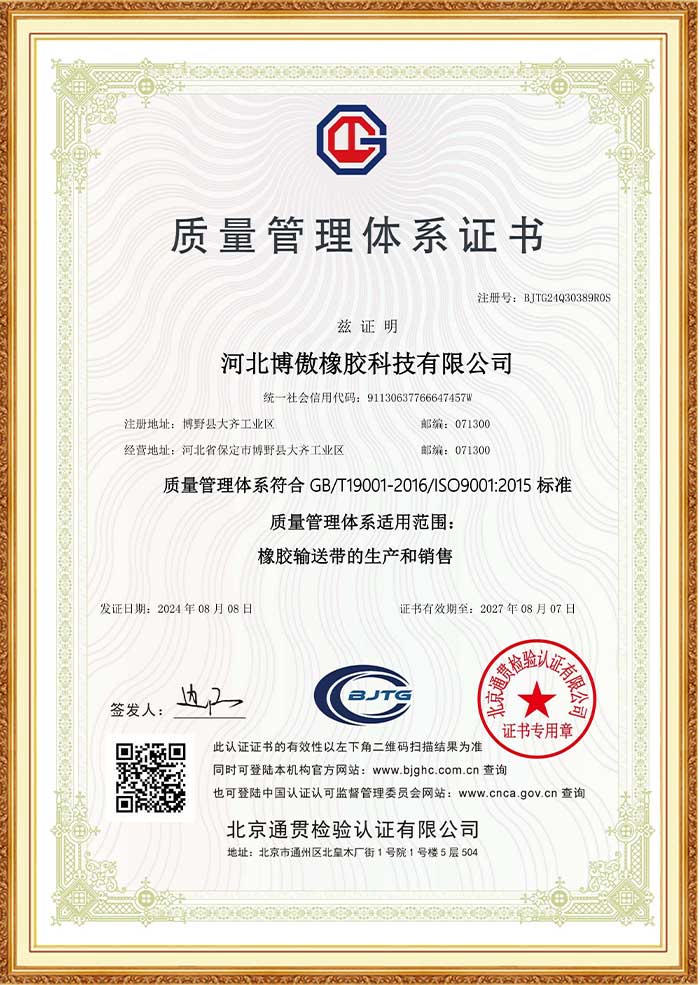
Our production plant maintains strict adherence to international quality management and mechanical safety systems.
In-depth, technical insights into selecting, splicing, and maintaining high-temperature resistant conveyor bands.
We are committed to providing you with the highest quality products and excellent services. If you have any questions or need assistance with our products, please feel free to contact us and we will be happy to assist you.
Boye County Rubber Industrial Park, Baoding, Hebei, China
Jinao® Brand - Built for extreme industrial material handling
Send us your temperature requirements, belt width, and transport distance for a detailed engineering solution.
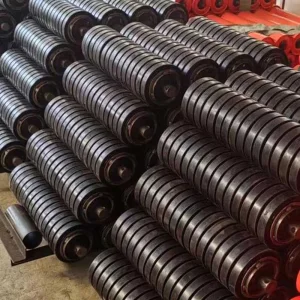
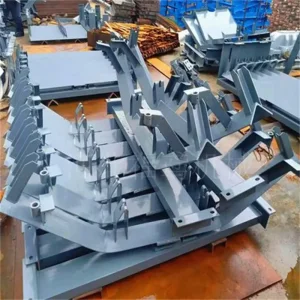
Explore our secondary lineup of conveyor bands, including chemical-resistant options, light sorting PVC belts, and high-strength bracket components.
 Boao Rubber