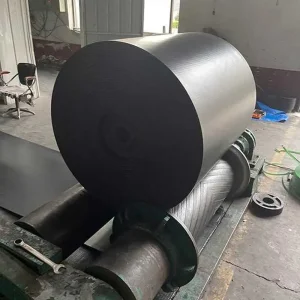
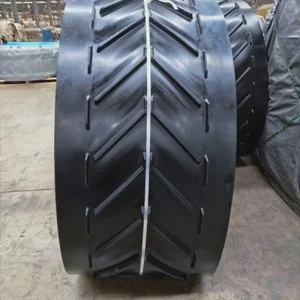
Direct supply from Hebei Boao rubber factory - Certified production lines & premium raw compounds.
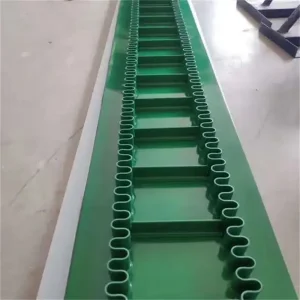
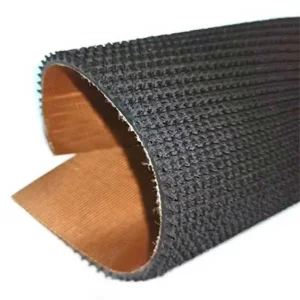
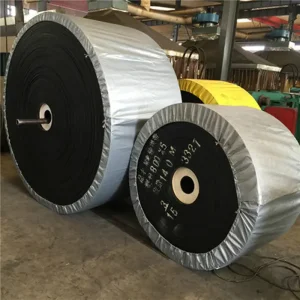
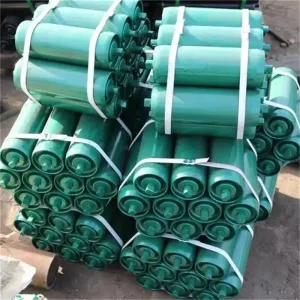
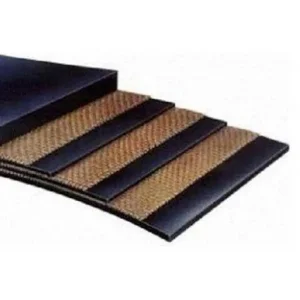
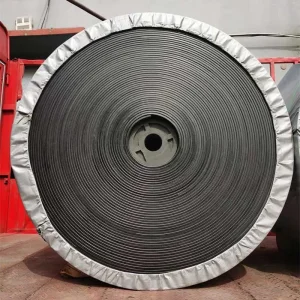
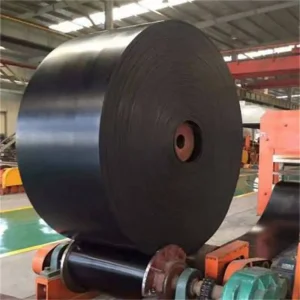
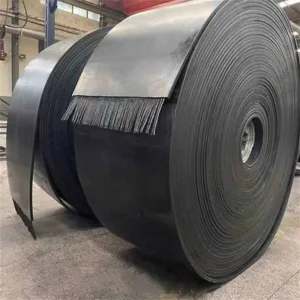
In the modern bulk material handling industry, flat rubber belts act as the critical vascular network of heavy-scale production. Modern vulcanized rubber compositions require rigorous design paradigms. A standard flat rubber belt consists of three major functional zones: the **top cover rubber**, the **carcass reinforcement**, and the **bottom cover rubber**. The top cover serves as the primary sacrificial layer against wear, impacts, chemical degradation, and weather conditions.
We utilize high-quality synthetic rubbers including Styrene-Butadiene Rubber (SBR) for standard abrasive environments, Nitrile Rubber (NBR) for hydrocarbons and fatty substances, EPDM for elevated thermal profiles, and Natural Rubber (NR) for high elastic properties and superior cut-and-gouge protection. The carcass layer, providing essential tensile properties, is synthesized using high-tenacity Multi-Ply fabrics. We offer **EP (Polyester-Polyamide)** fabric configurations which provide minimal longitudinal elongation while maintaining excellent lateral flexibility, and **NN (Polyamide-Polyamide)** which is ideal for deep trough angles and high impact operations.
To achieve ultimate fatigue resistance, the manufacturing process at our Boye industrial park utilizes advanced multi-roll calendar lines, high-tension hot-stretching chambers, and computer-controlled vulcanizing presses. The cross-linking density of sulfur bonds during vulcanization is meticulously monitored to prevent thermal regression and assure balanced elongation metrics.
For global procurement managers across the steel, mining, cement, and power sectors, selecting flat rubber belts involves looking beyond unit cost to examine the **Total Cost of Ownership (TCO)**. Primary industrial challenges include early belt degradation, cover wear, edge fraying, tracking errors, and catastrophic splice splits.
Our global supply solutions address these issues directly. We design belts optimized to prevent high energy losses due to conveyor indentation rolling resistance (IRR). By selecting viscoelastic rubber polymers specifically formulated to reduce indentation deformation, heavy-industry facilities can reduce overall power consumption by up to 12%. Additionally, by analyzing local operating environments (e.g. ambient temperatures, particle sizing, moisture load, drop heights), we tailor rubber belt specifications to prevent premature fatigue failure, extending overall service life.
To successfully operate in diverse global environments, compliance with regional standards is essential:
Boao Rubber offers complete documentation, including certified third-party testing reports. We provide site-survey engineering assistance and support services, including planned belt vulcanization splices, emergency repair support, and on-site preventative maintenance analysis to optimize production uptime.
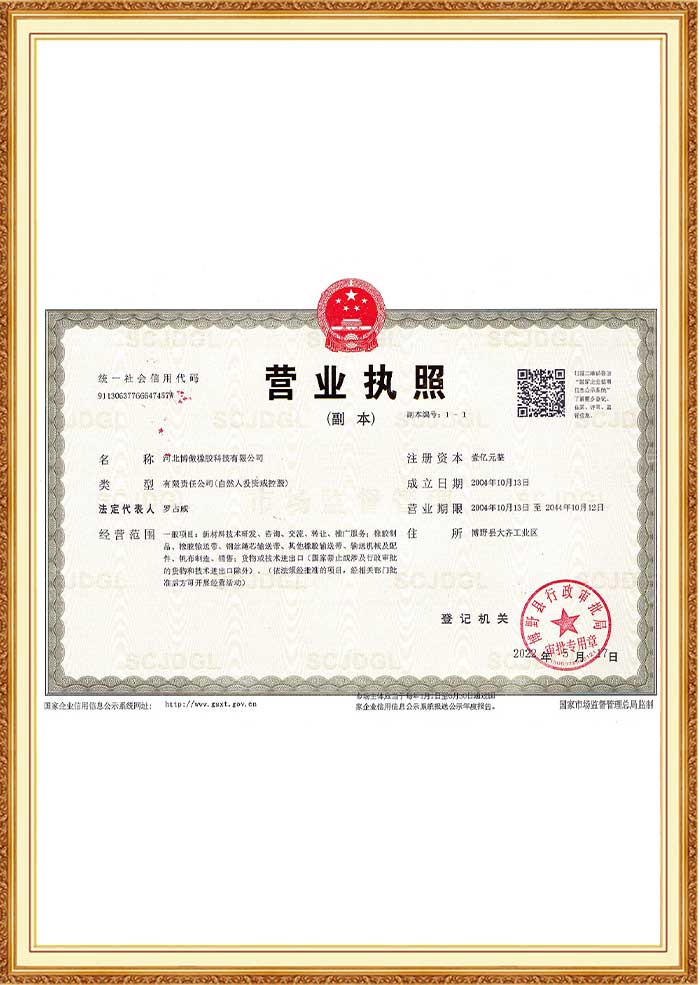
Founded in 2004, Hebei Boao Rubber Technology Co., Ltd. is situated in the Rubber Industrial Park of Boye County, Baoding, Hebei Province, occupying a state-of-the-art facility of over 30 acres. Producing under our flagship **"Jinao"** brand, we offer an integrated structure combining raw rubber R&D, advanced fabrication, physical-chemical testing, and field services.
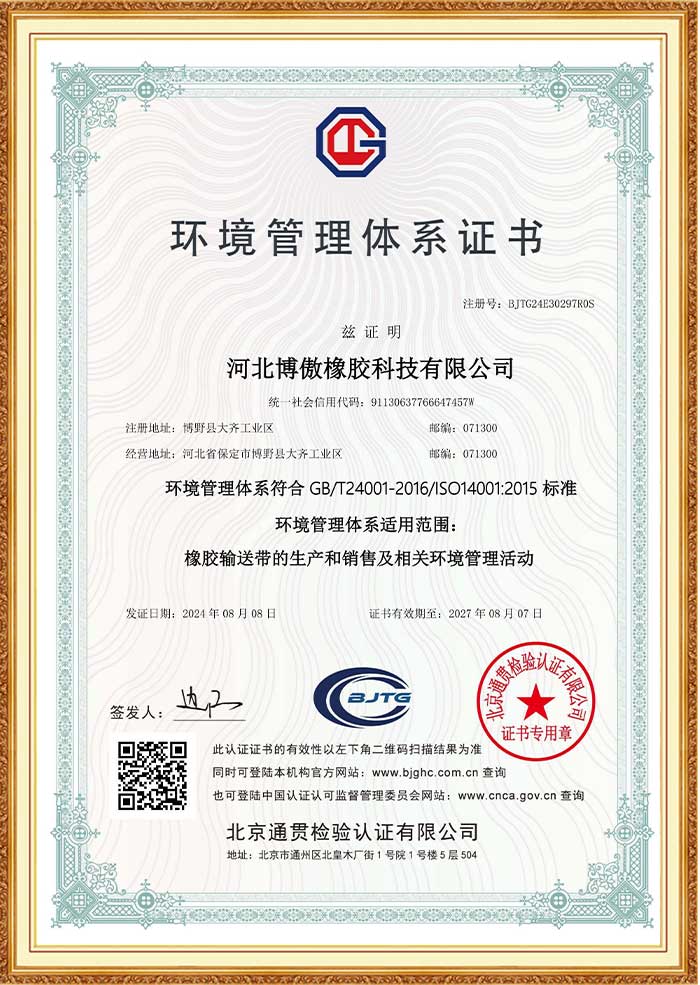
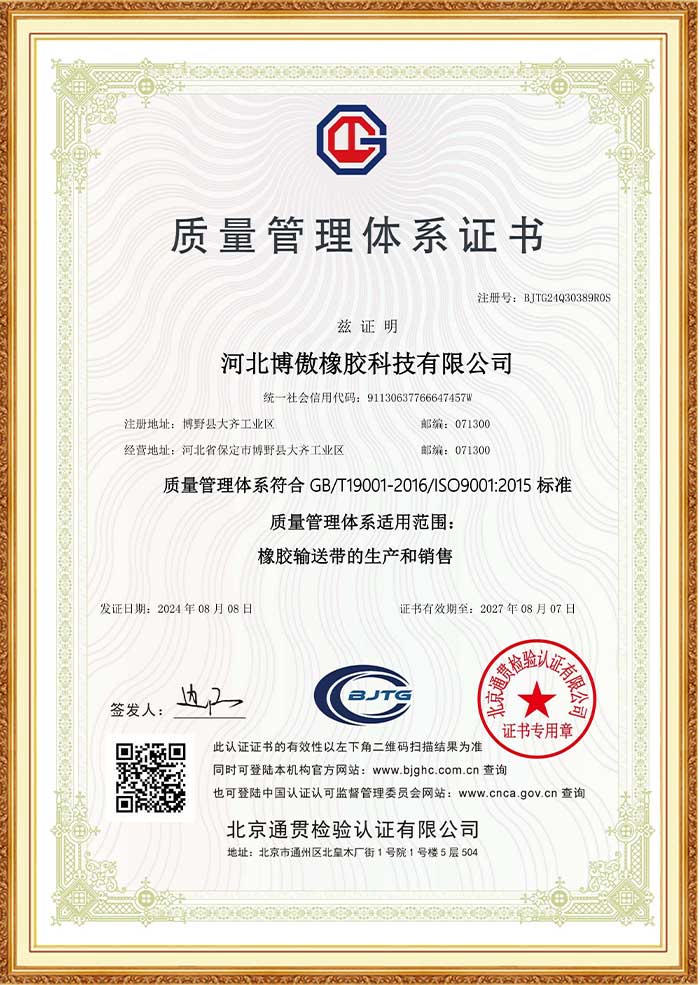
Our quality control program follows strict ISO 9001 management rules. Our facilities include an independent chemical analysis lab and a mechanical testing center. Every batch of incoming rubber undergoes rheometric testing, while finished belts are subjected to tensile testing, abrasion loss testing, and adhesion tests between layers to ensure they meet international specifications before dispatch.
The industrial belting sector is shifting toward smart technologies and sustainable chemistry. Prominent industry developments include:
Our independent labs execute strict quality monitoring from raw rubber compounding to finalized vulcanization. Non-compliant materials do not enter our fabrication stream, and finished products undergo testing prior to shipment.
Advanced rolling mills, automated compounding, and high-pressure vulcanizing presses allow us to manufacture rubber belts with uniform thickness and consistent internal tension.
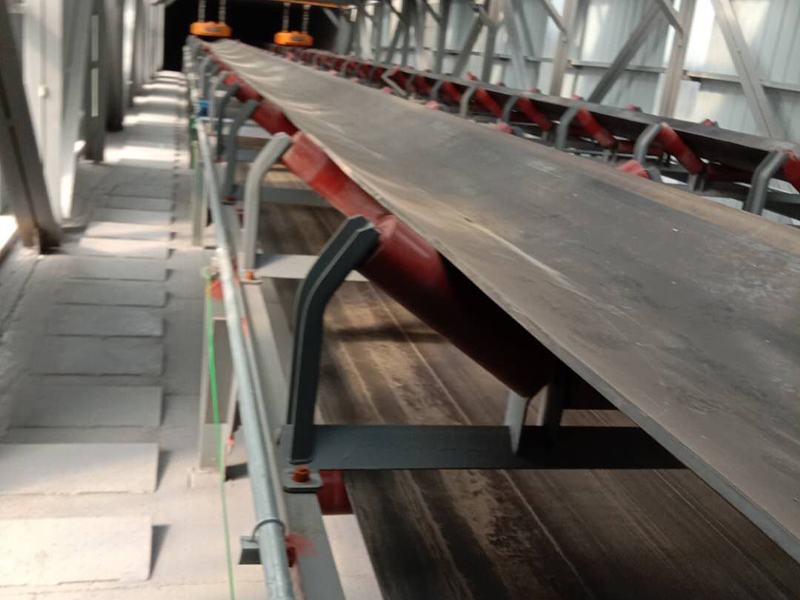
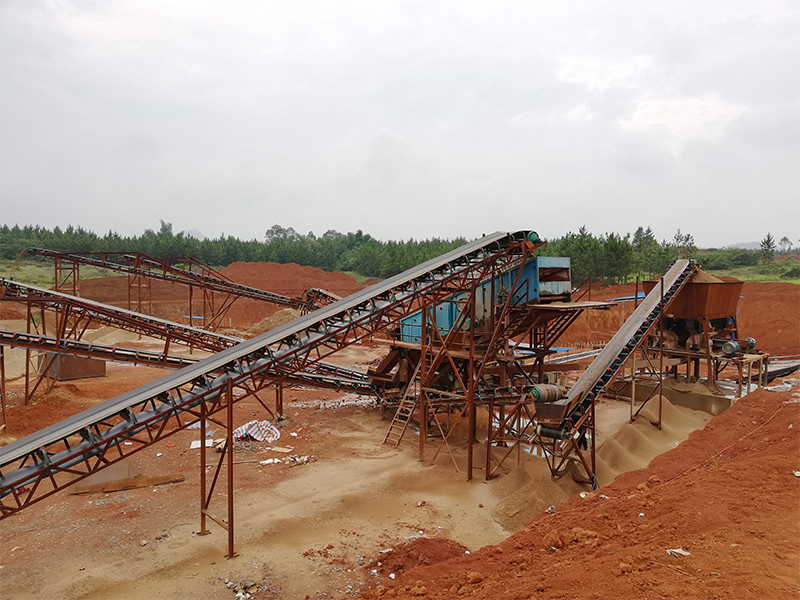
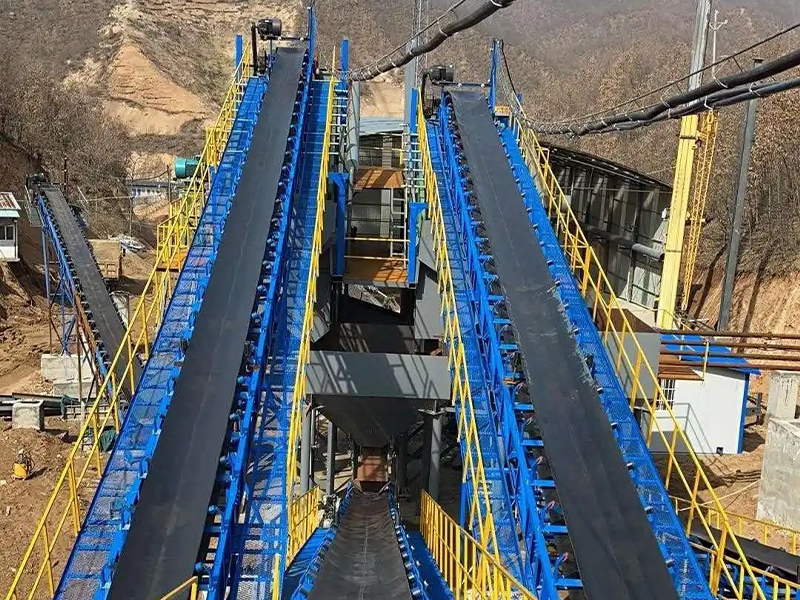
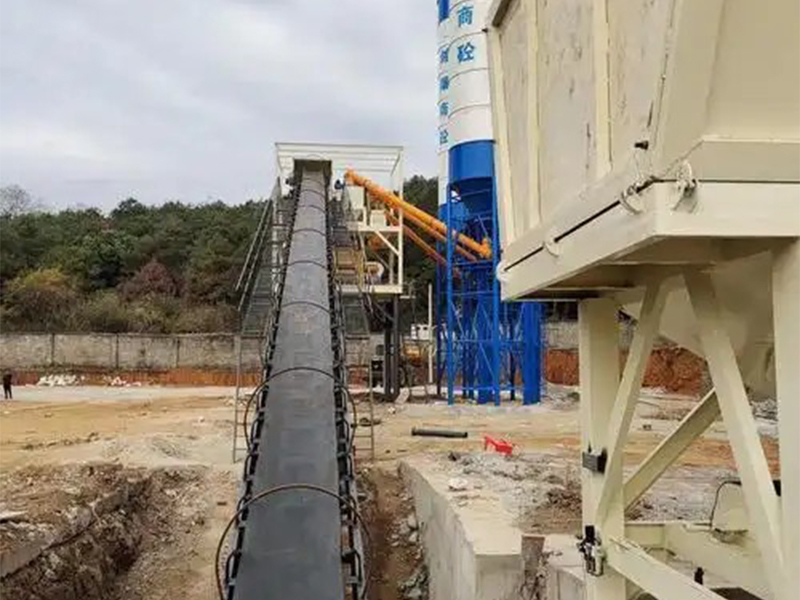
Exported across the globe, our heavy-duty belting operates in challenging environments including metallurgical steel mills, high-capacity coal mining plants, ports, and cement lines.
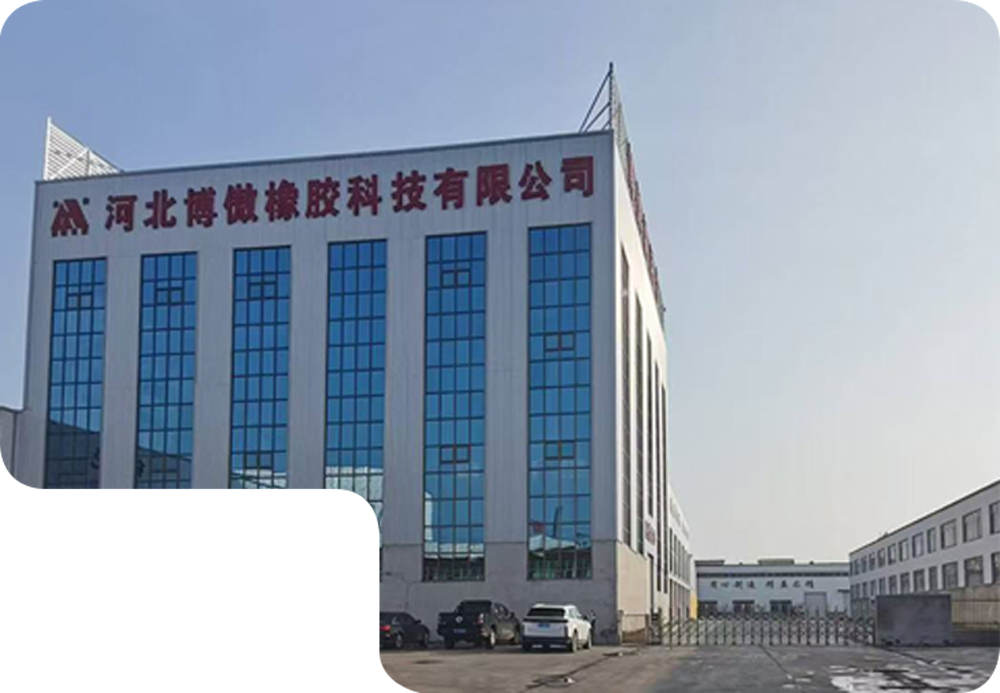
With more than two decades of specialized industrial experience, Jinao brand products represent reliability and structural durability.
A look inside our advanced manufacturing, rolling, forming, and vulcanization lines.
Why sourcing industrial belting from Hebei's primary rubber cluster improves lead times and operating performance.
Being based in the Boye County Rubber Industrial Park in Baoding gives us access to a complete supply chain of raw elastomers, polyester/nylon reinforcing fabrics, vulcanization agents, and processing machinery. This reduces transport costs and enables rapid prototyping.
Our 30-acre facility and multiple high-output production lines allow us to maintain scale economies. This cost advantage is passed on to our clients, providing high-specification belts without the premium cost typical of Western manufacturers.
Different regions require specific solutions. Whether you operate in the high-humidity ports of Southeast Asia, the cold mining regions of Northern Europe, or the hot desert quarries of the Middle East, our team optimizes compounds to suit local climates.
Our flat rubber belts and supporting mechanical accessories are engineered for demanding performance across key sectors:
Handling hot sinter and coke materials with temperatures exceeding 200°C using specialized heat-resistant belts.
High-tensile NN and steel cord belts designed with flame-retardant covers for safety in underground and surface operations.
Abrasion-resistant covers designed to handle rough limestone, clinker, and sharp gravel with minimal wear.
From high-tensile multi-ply belts to specialized mechanical accessories, we supply everything needed to optimize your bulk material handling lines.
We manufacture a wide range of standard and specialized belting to suit various industrial setups:
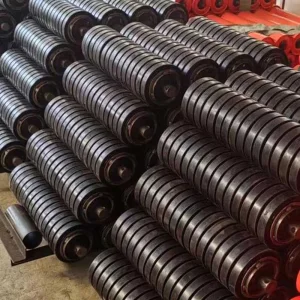
Complementary mechanical components designed to integrate with our belting systems:
We provide comprehensive technical support to keep your operations running smoothly:
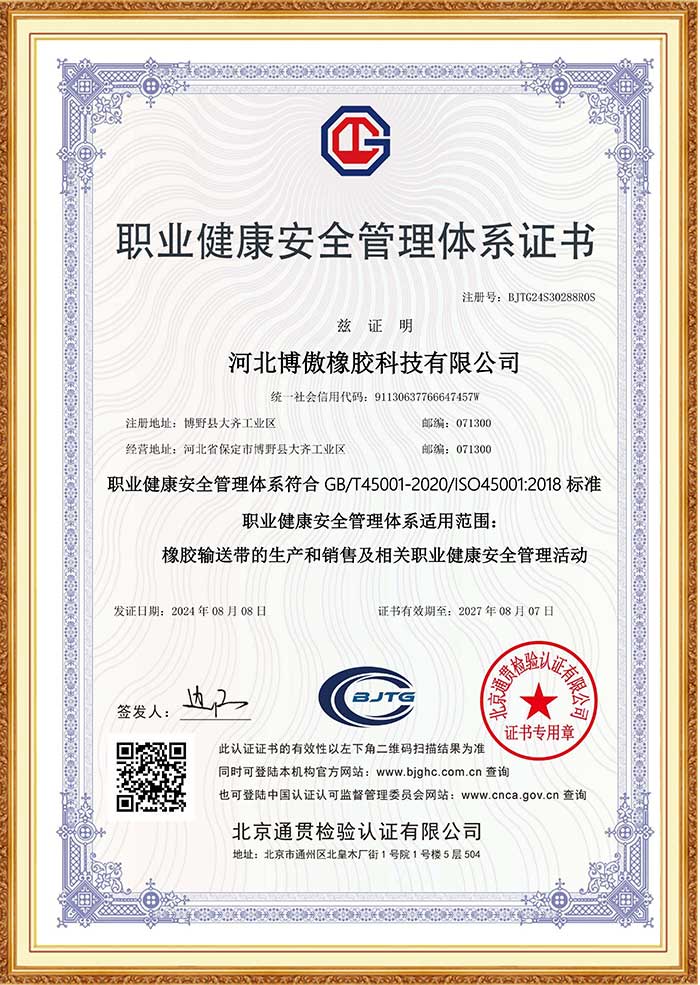
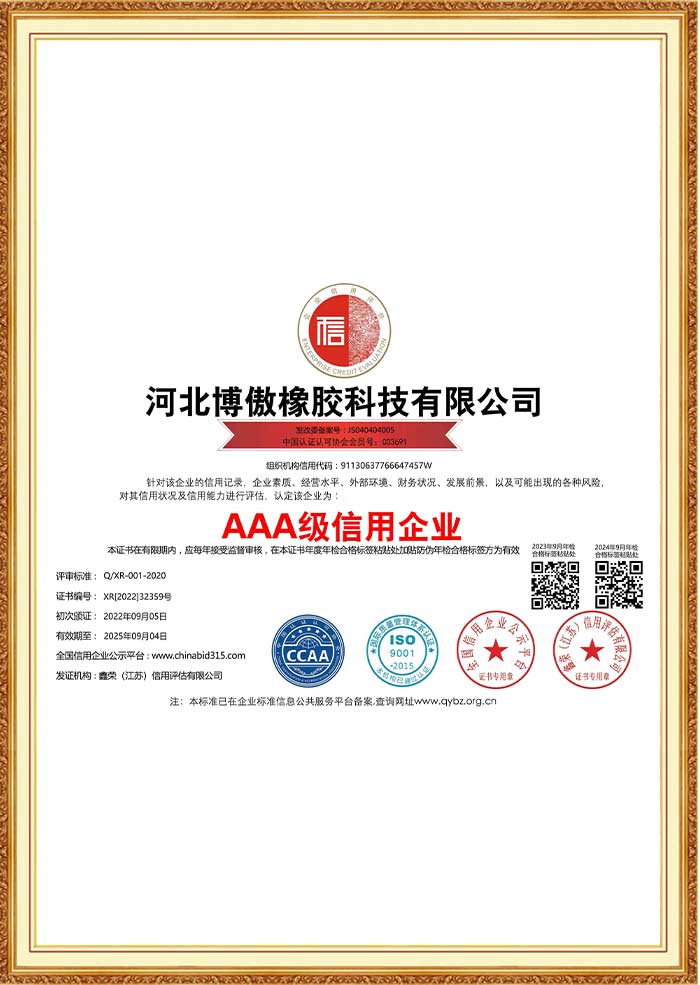
Our production facilities maintain ISO certifications to ensure consistent product performance and reliability.
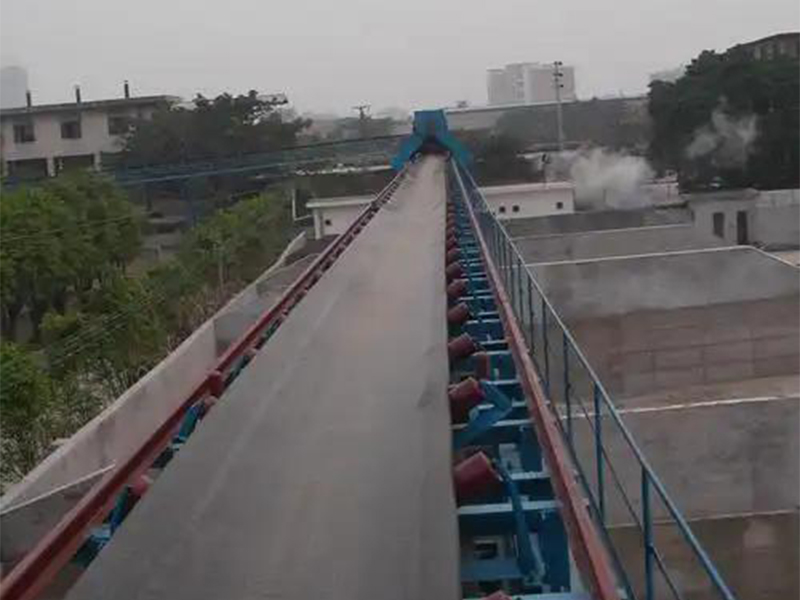
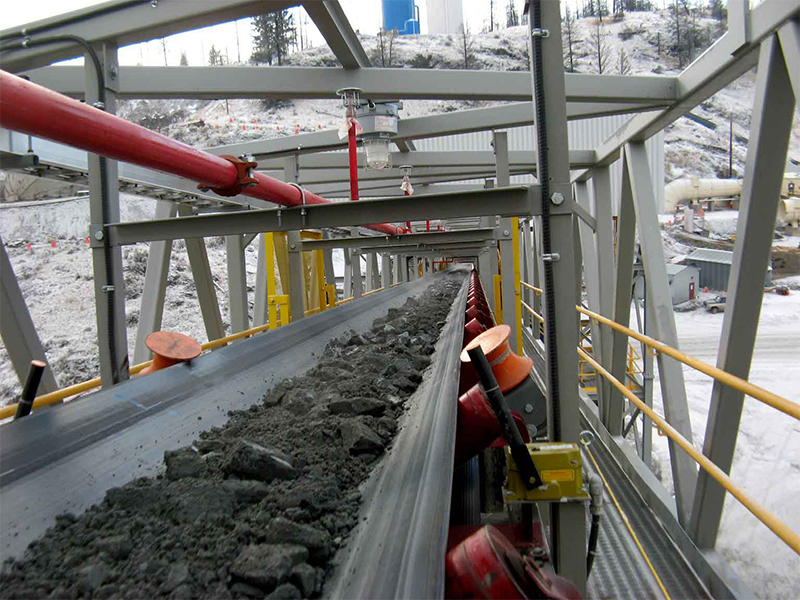
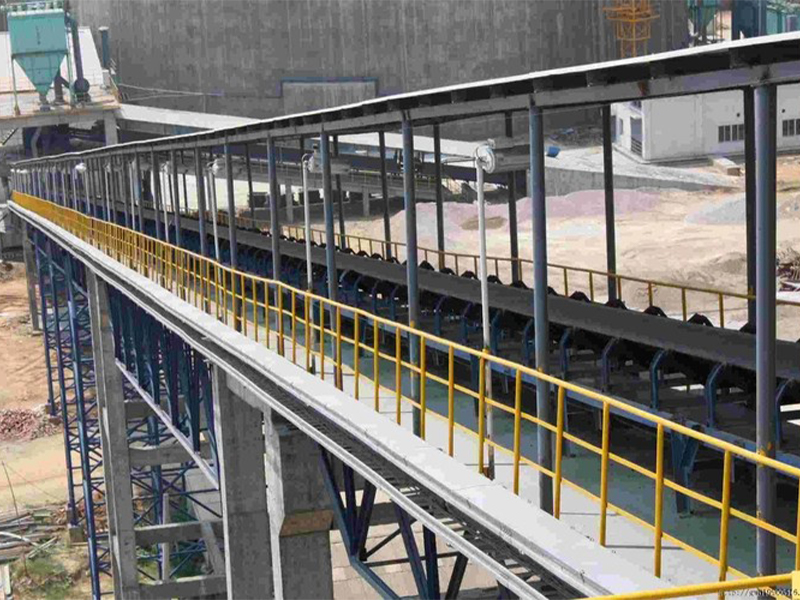
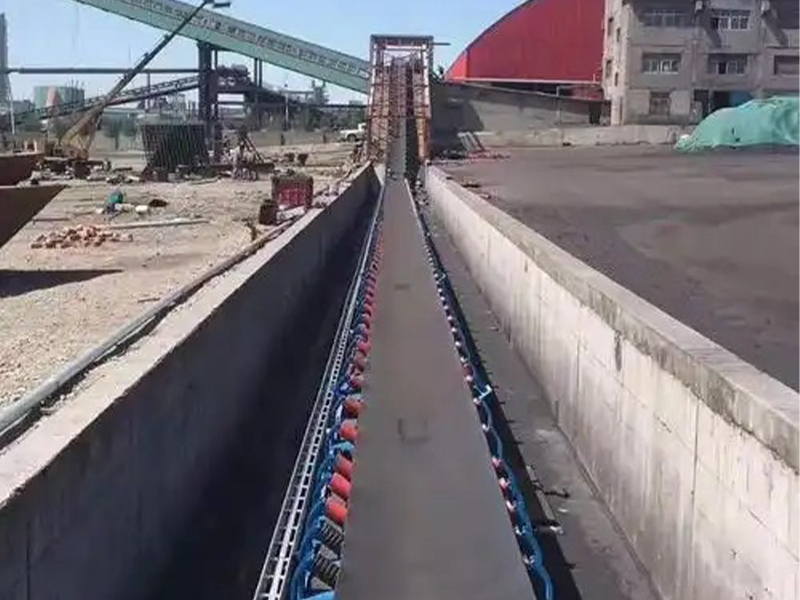
Our conveyor belting systems support heavy-duty bulk handling across key infrastructure projects.
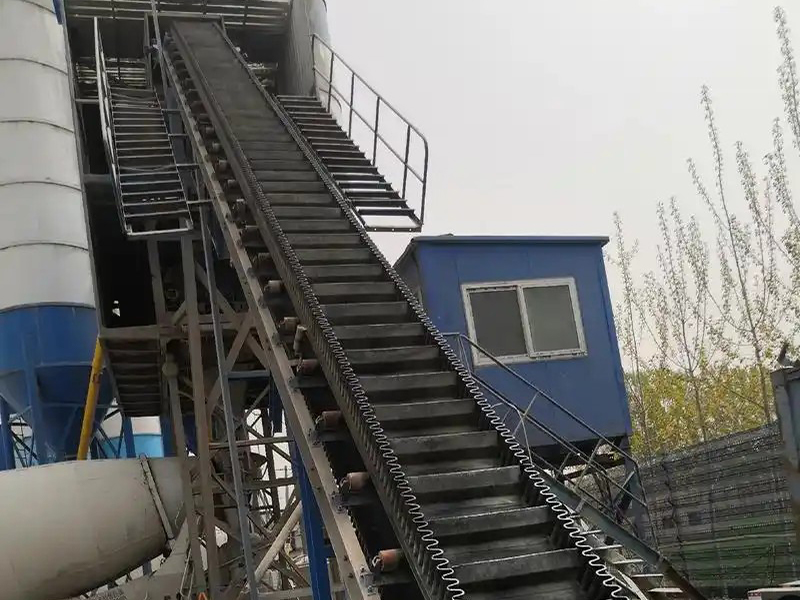
Expert answers to common engineering questions regarding the selection, application, and maintenance of flat rubber conveyor belts.
Get in touch with our engineering team for advice on belt selection, custom dimensions, pricing, and factory lead times. We will respond within 24 hours.
Explore our full range of durable industrial products, factory direct from Boao Rubber.
 Boao Rubber