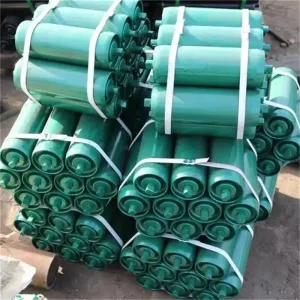
Engineered flat rubber belts and specialized rollers direct from our state-of-the-art facilities.
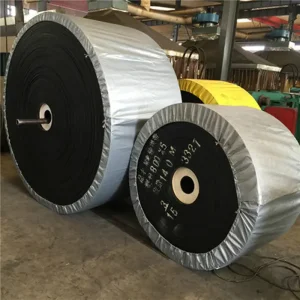
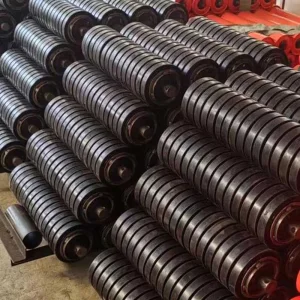
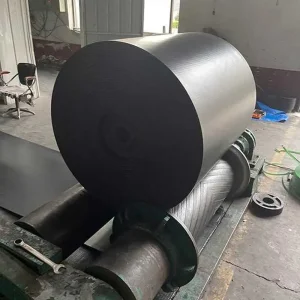
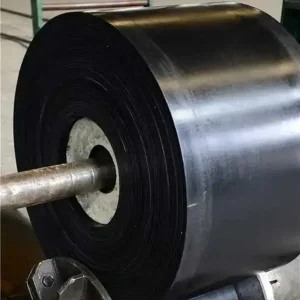
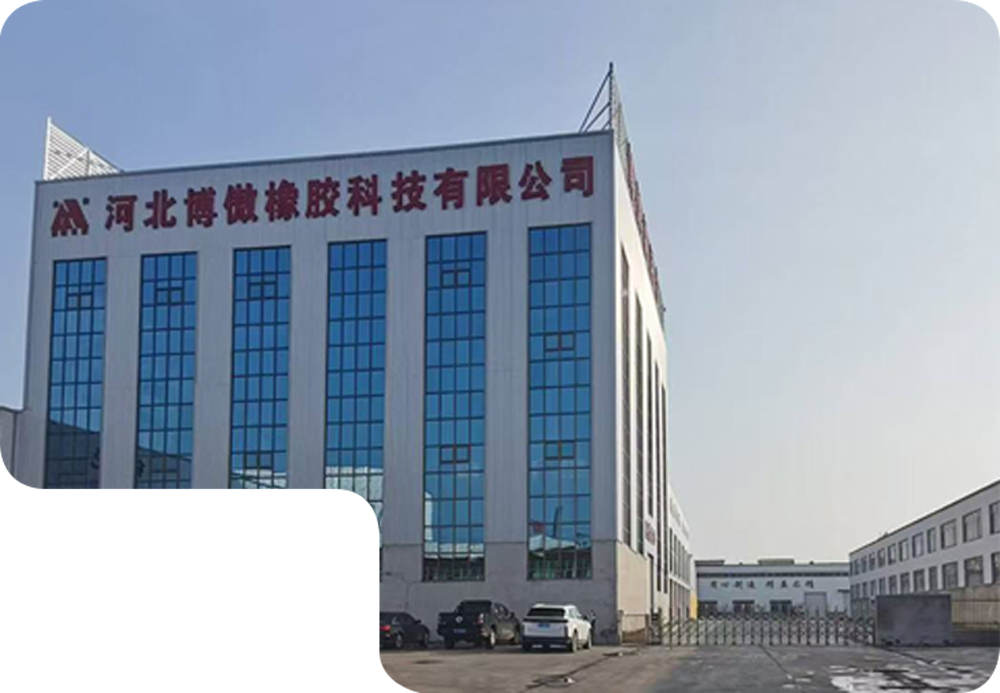
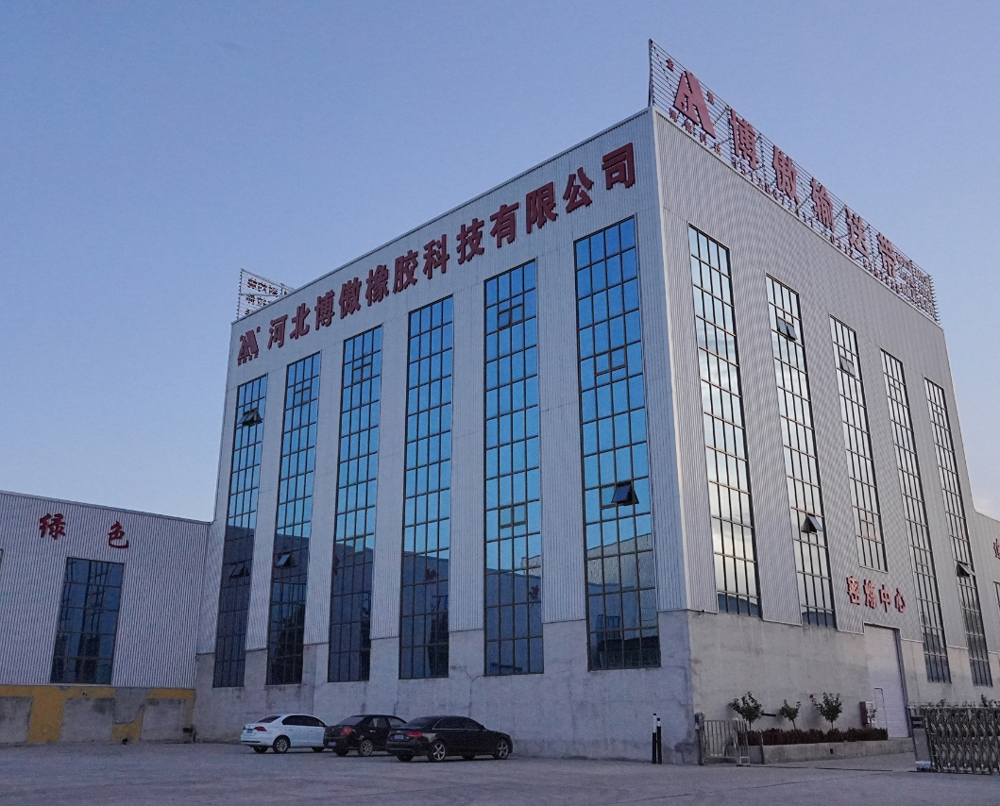
Founded in 2004, Hebei Boao Rubber Technology Co., Ltd. is strategically situated within the Rubber Industrial Park of Boye County, Baoding City, Hebei Province. Occupying a sprawling modern production facility spanning more than 30 acres, we stand as one of China's preeminent engineering authorities dedicated to the design, research, physical testing, and high-volume manufacture of state-of-the-art flat rubber belt systems and high-precision conveyor support components.
Under our renowned trademark brand "Jinao", we have consolidated the entire value chain—from initial raw polymer formulation and reinforcement compound engineering to structural validation, flat press vulcanization, and worldwide technical logistics. Our operation was built to align with rigorous international quality standards, securing international quality management certifications on our initial assessments. The Boao factory operates multiple advanced production configurations, incorporating high-tonnage multi-plate vulcanization equipment, high-shear internal mixers, and comprehensive chemical and structural analysis infrastructure.
In the modern industrial landscape, flat rubber conveyor belts have become the structural backbone of bulk material transport systems across multiple high-capacity sectors. From extraction sites deep underground to bulk maritime port loading facilities handling millions of tons of cargo annually, heavy-duty rubber belts facilitate the continuous, automated flow of materials that drive our global industrial economy. The historical evolution of these critical components represents decades of intensive chemical breakthroughs, advanced textile weave design, and an unwavering commitment to mechanical reliability and operational safety.
At the center of any premium flat rubber belt is its polymer formulation. Today's industrial applications demand specific cover compounds capable of resisting mechanical, thermal, and chemical degradation. Natural Rubber (NR) provides unmatched elasticity, high tear propagation resistance, and excellent cold flex properties, making it the material of choice for high-impact grading. Styrene-Butadiene Rubber (SBR) is frequently compounded into cover stocks to offer superior abrasion resistance and heat aging stability. For extreme environments, specialized polymers like Ethylene Propylene Diene Monomer (EPDM) are utilized to handle material temperatures exceeding 200°C, while Nitrile Butadiene Rubber (NBR) formulas are specified to resist oil-induced swelling when conveying petroleum-saturated aggregates or mechanical waste.
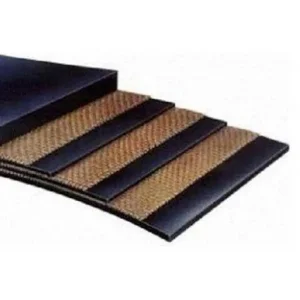
While the rubber covers protect the belt from external wear and chemical intrusion, the internal reinforcement carcass carries the structural tension required to span long distances under full load conditions. The selection of the reinforcement matrix determines the belt's elongation characteristics, mechanical splice strength, and load-support capacity:
Why industrial engineers and global buyers trust Boao Rubber.
We maintain an independent chemical analysis laboratory and a mechanical testing center. Every raw material consignment—from crude rubber and carbon black to fabric reinforcement layers—is tested before entering our compounding line. Non-conforming materials are rejected at the gate.
Equipped with computerized rheometers, tensile testers, DIN abrasion testing machines, and ozone resistance chambers, our QC inspectors verify vulcanization consistency and mechanical performance criteria (tensile strength, elongation at break, cover-to-carcass adhesion) for every production run.
Backed by robust technical capabilities and an integrated global logistics framework, Boao products are exported across the globe. Our high-performance flat conveyor systems are widely utilized in heavy metallurgy, steelmaking, power generation, deep mining, and cargo ports.
Our commitment to reliable performance is backed by structured physical verification. Our state-of-the-art testing facility ensures that cover rubber compounds meet or exceed critical standards including DIN 22102, AS 1332, RMA, and ISO 14890. Using precision testing tools, we analyze the physical behavior of vulcanized rubber under simulated high-load conditions, assessing abrasion loss (measured in cubic millimeters), ozone cracking resistance, and flame propagation dynamics. This ensures that every belt shipped to our clients will withstand the demanding operating conditions of industrial material handling.
As global supply chains adapt to new economic parameters, Chinese manufacturing facilities—particularly those located in industrial clusters like Boye County, Hebei—have evolved from high-volume suppliers into advanced engineering hubs. This transition is driven by massive investment in manufacturing automation, R&D integration, and robust regional supply chain structures.
Chinese rubber belt manufacturers benefit from a concentrated domestic supply chain. The proximity to major producers of synthetic elastomers, high-tensile technical textiles, carbon black, and specialized processing chemical additives ensures consistent material quality and short production lead times. This regional integration insulates global buyers from supply disruptions and permits rapid scale-up of custom production runs.
Modern Chinese factories utilize high-precision, multi-cylinder flat vulcanizing presses and continuous rotary curing machines (Rotocures). These systems allow precise control over curing temperatures, pressures, and duration, resulting in optimal cross-linking density within the rubber matrix. The outcome is a flat conveyor belt with highly uniform thickness, consistent cross-sectional density, and excellent tracking characteristics over long operational lifespans.
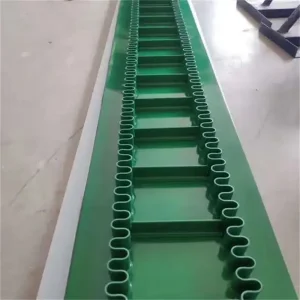
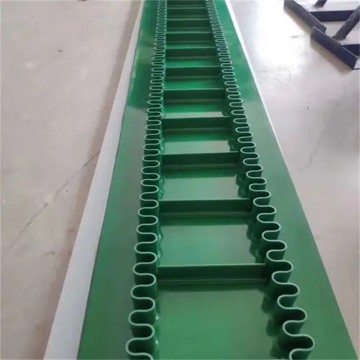
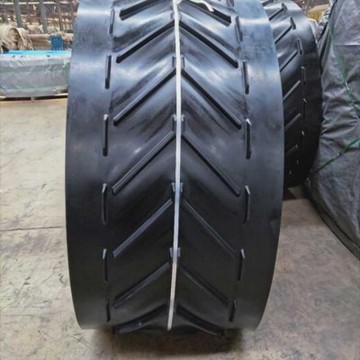
Whether an application requires specialized anti-static compounds for underground coal mining, high heat-resistant properties for steel plants, or customized profile geometries (such as high-angle chevron or corrugated sidewall designs), Chinese engineering teams possess the tooling and compounding expertise to tailor solutions to specific mechanical requirements. This flexible engineering capability is paired with significant cost efficiencies, delivering high return on investment for international procurement teams.
Comprehensive engineering matrix covering high-performance conveyor belts and matched components.
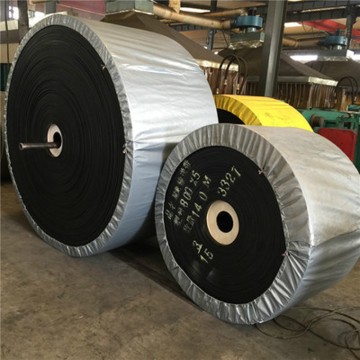
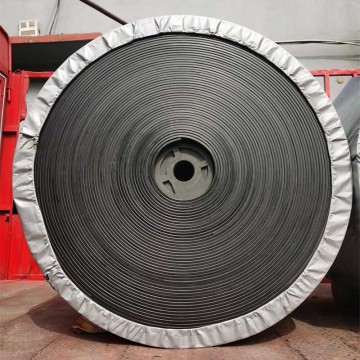
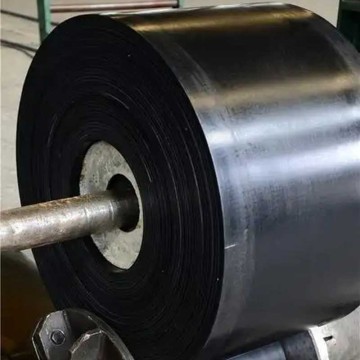
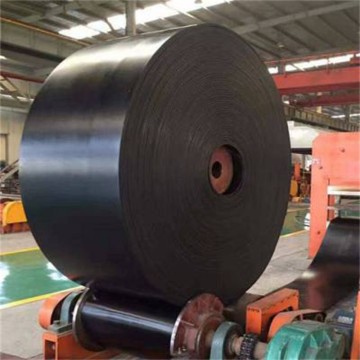
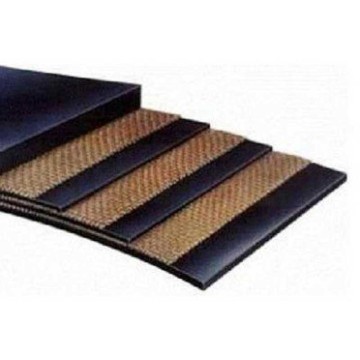
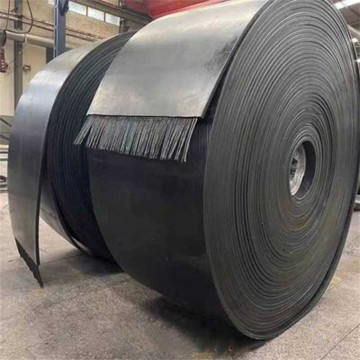
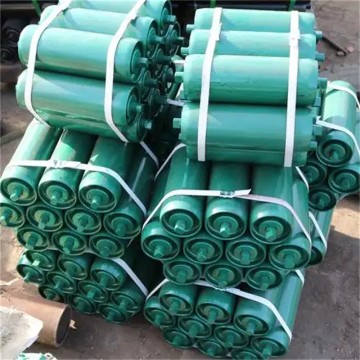
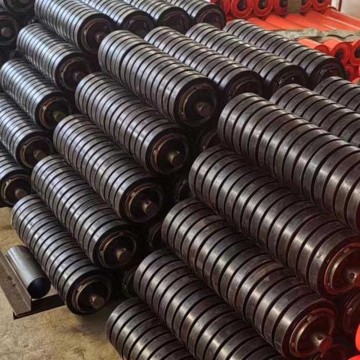
Conveyor infrastructure requirements vary widely across different process industries. Specifying the correct elastomeric matrix requires a thorough understanding of the material being moved, the environment, and structural stress factors.
Sintered ores, coke, and slag are often discharged at temperatures from 120°C to 200°C, and sometimes higher. Standard rubber compounds quickly oxidize and degrade under these thermal loads, leading to cover cracking, delamination, and premature carcass failure. Our high-temperature conveyor belts utilize specialized EPDM polymer matrices that resist heat aging, allowing continuous operation even when transport materials peak at 250°C. This ensures uninterrupted feed lines to blast furnaces and sintering plants.
Mining operations require belts with high tensile strength, exceptional rip resistance, and strict flame retardancy. In underground applications, accumulation of static electricity presents a serious combustion hazard. Our flame-retardant rubber conveyor belts comply with international safety certifications (including ISO 340 and MSHA standards), featuring self-extinguishing covers and electrical resistance profiles under 300 MΩ. Additionally, for long overland mining runs, steel cord reinforcing cores minimize elastic elongation, optimizing power usage and reducing the size requirements of gravity take-up systems.
Conveying clinker, crushed limestone, and abrasive iron ore requires cover compounds with high mechanical toughness. High abrasion loss quickly reduces cover thickness, exposing the internal fabric reinforcement to moisture and eventual rot. We formulate our premium grade general-purpose belts to deliver a DIN abrasion rating of under 90 mm³, ensuring long life in high-abrasion applications. At maritime port terminals, these belts resist mechanical stress and withstand continuous UV exposure and salt-spray corrosion.
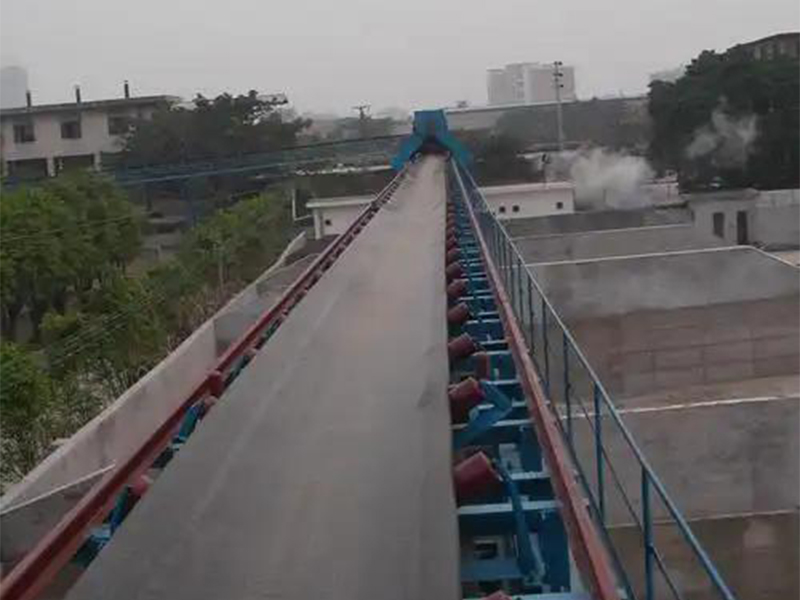
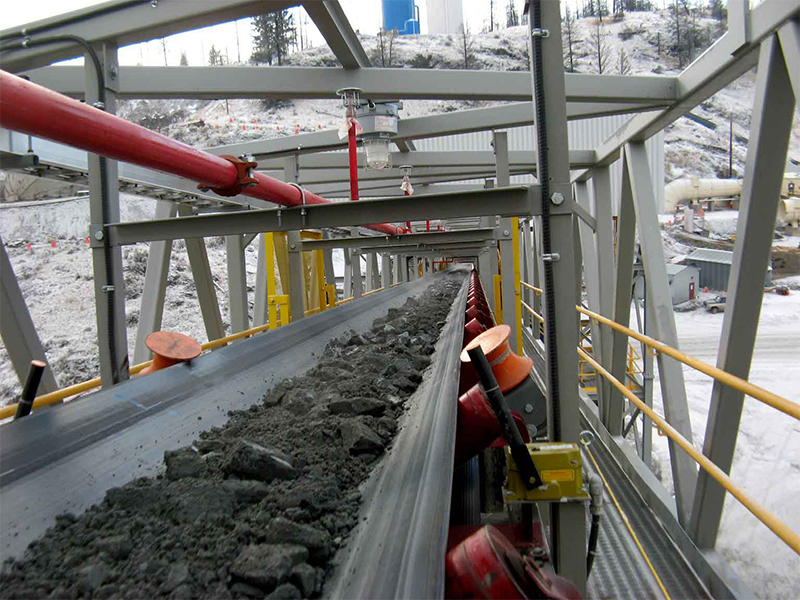
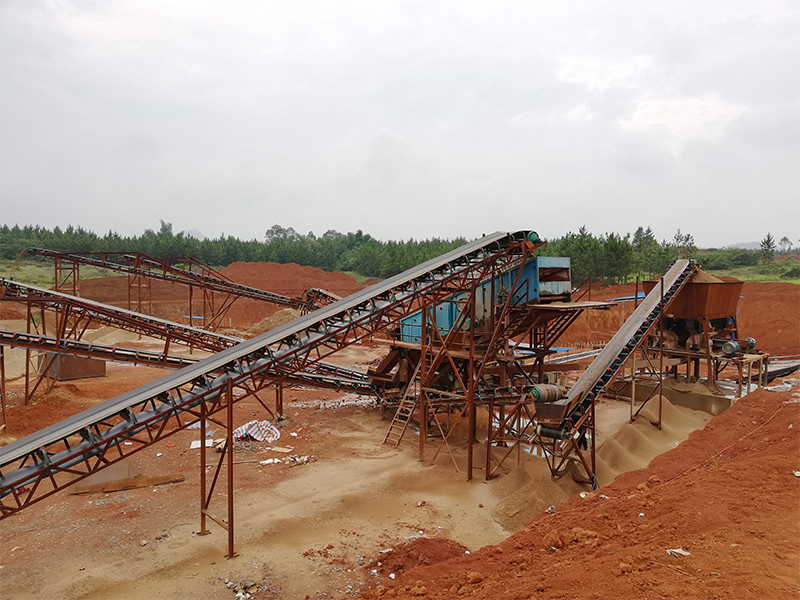
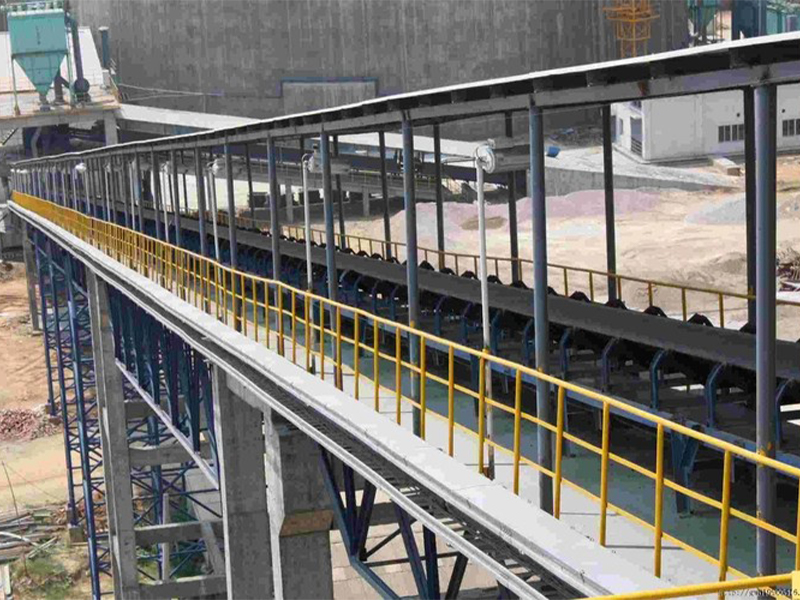
Proven mechanical performance across high-volume mining, steel, and cement operations.
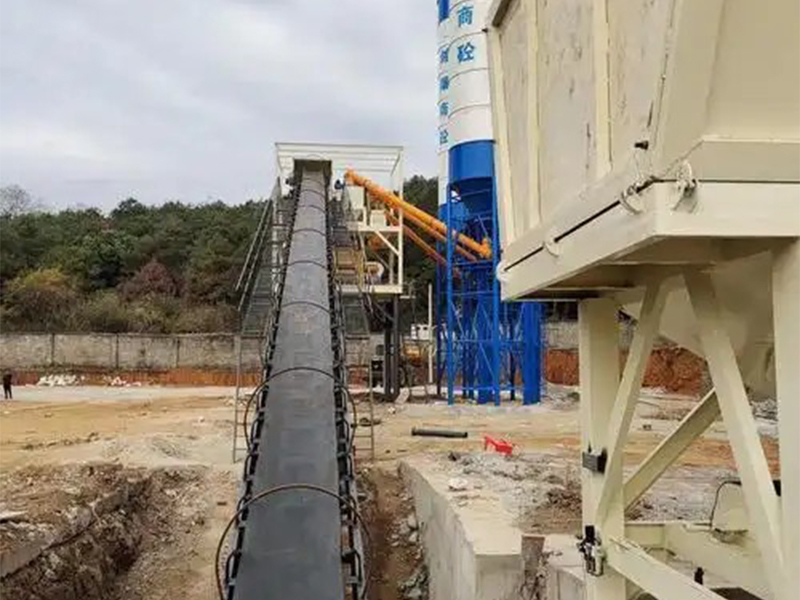
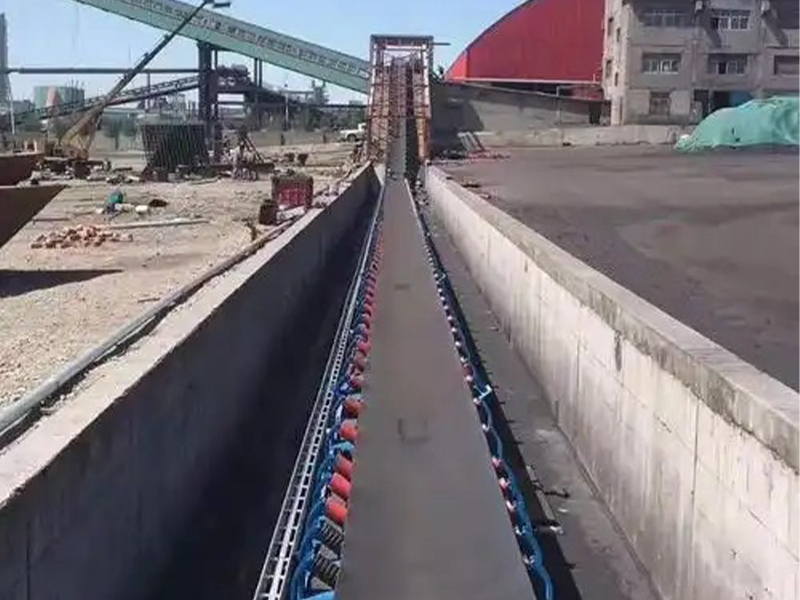
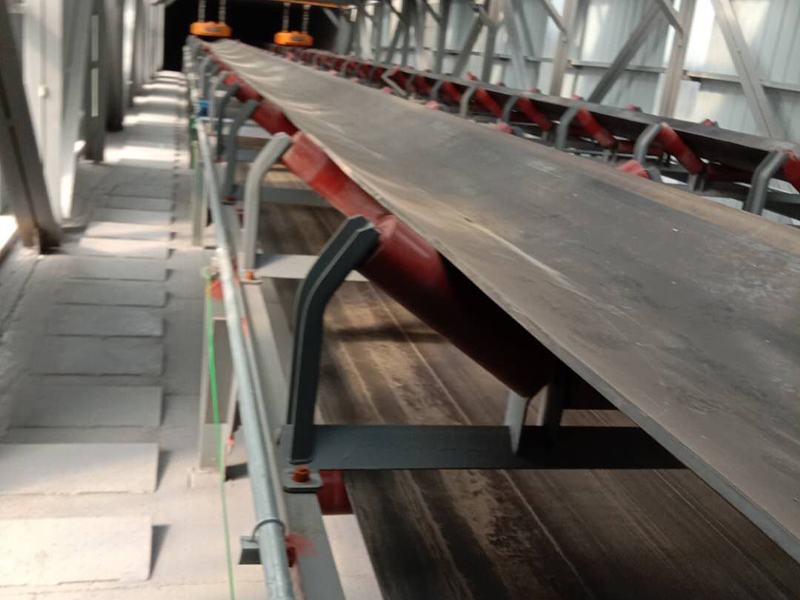
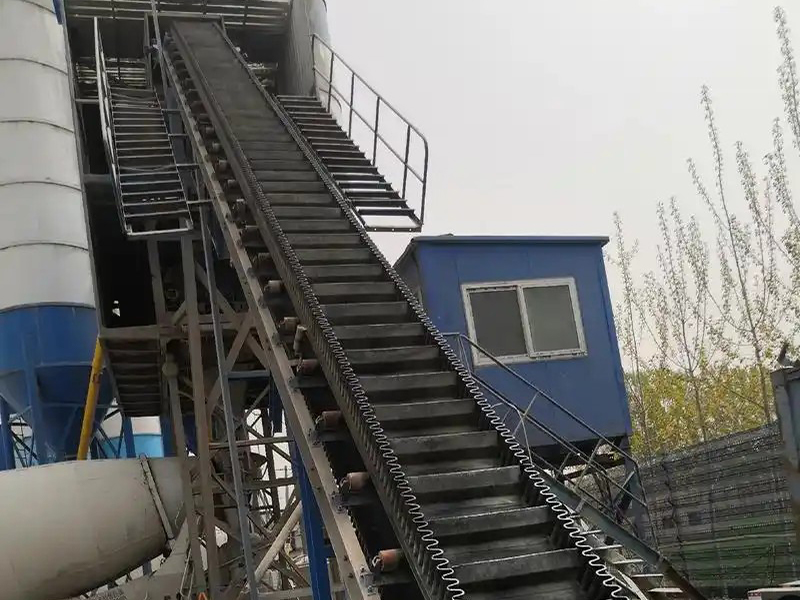
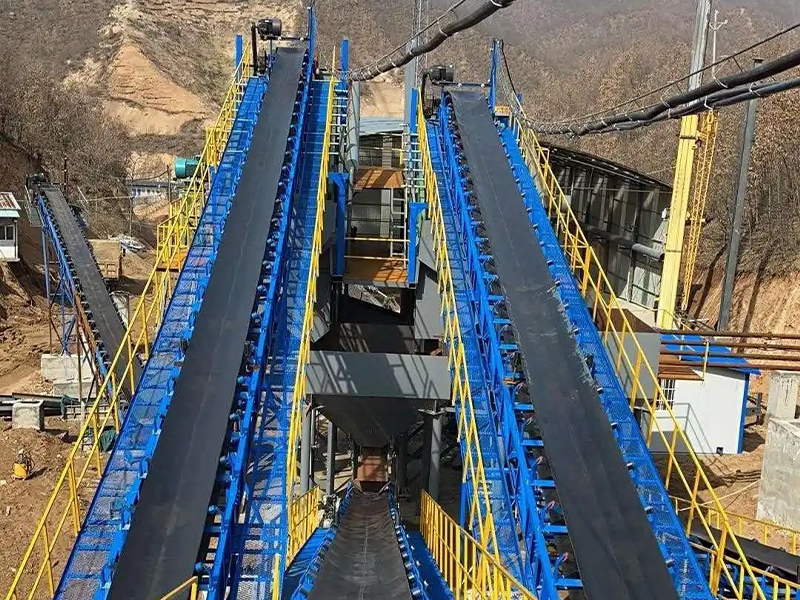
Maximizing flat rubber belt service life requires structured inspection, tension calibration, and prompt surface maintenance. At Boao, we support our clients throughout the belt lifecycle, minimizing unplanned downtime and optimizing system efficiency.
We provide complete technical support planning, including scheduled replacements, damage inspection, hot and cold vulcanized splicing, and emergency repair options to maintain operation continuity.
We supply matched rubber materials and keep key specifications in safety stock to meet production needs. Our team assists with inventory storage guidance, splice execution, daily inspection reviews, and emergency repair procedures.
Our objective is to increase conveyor operating efficiency, reduce belt wear, minimize power consumption, and achieve mutually beneficial long-term operational partnerships.
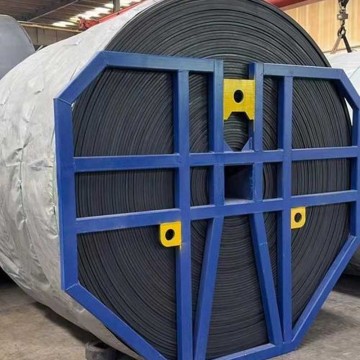
Improper warehousing can degrade rubber compounds before a belt is ever installed. Industrial rolls should always be stored vertically on heavy-duty steel core supports to prevent roll deformation and uneven stress profiles. Warehouses must be kept cool, dry, and shielded from direct sunlight and ozone sources (such as high-voltage electric motors or welding areas). Additionally, we recommend implementing a first-in, first-out (FIFO) inventory system to ensure cover compounds are installed within their optimal storage window.
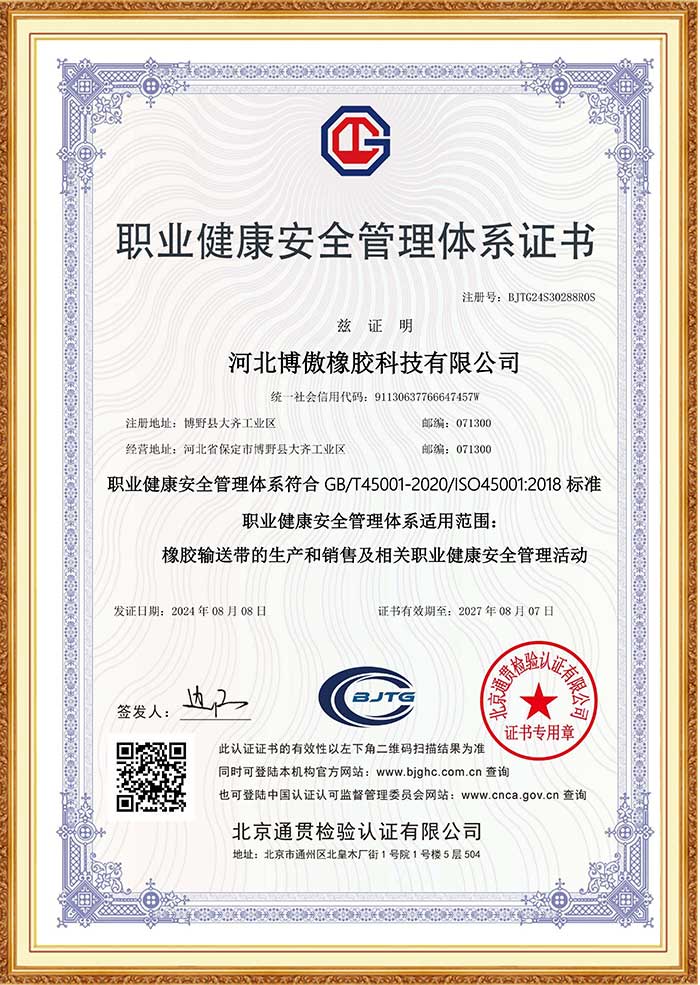
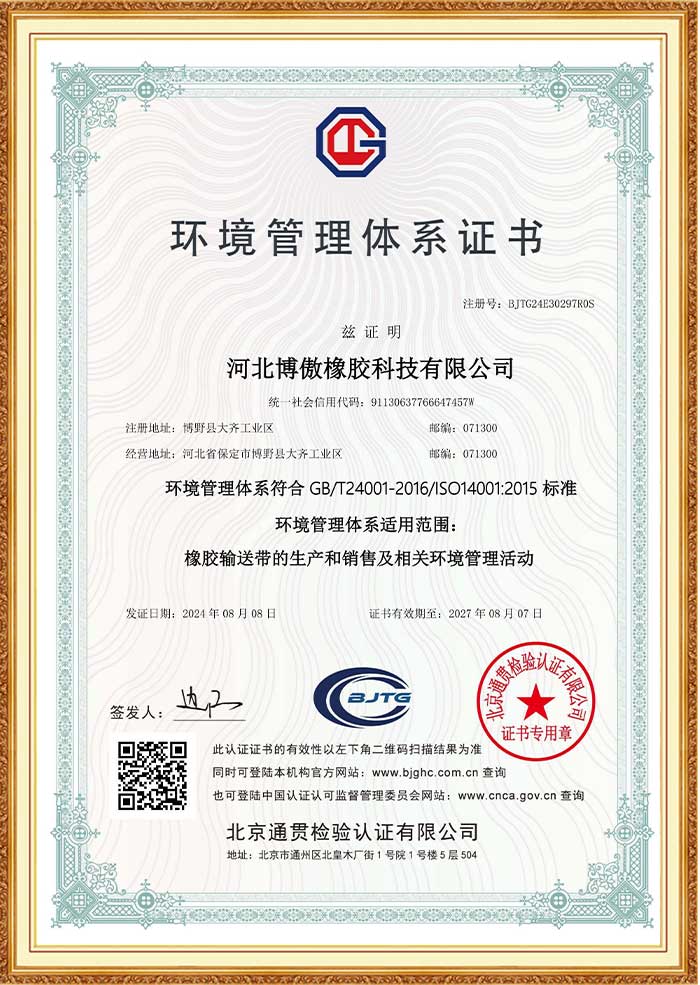
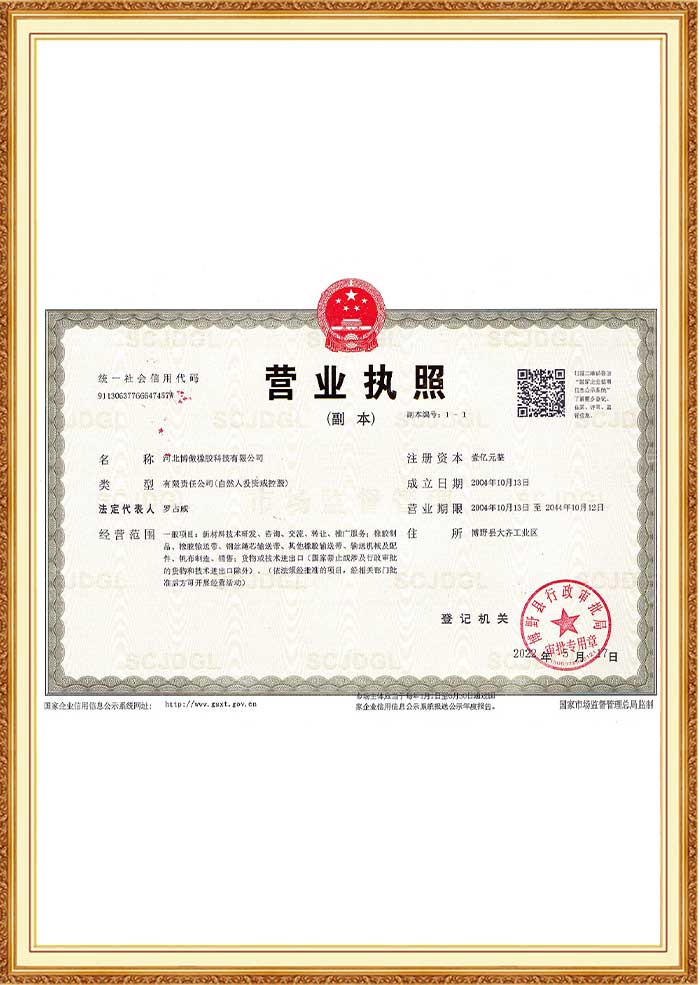
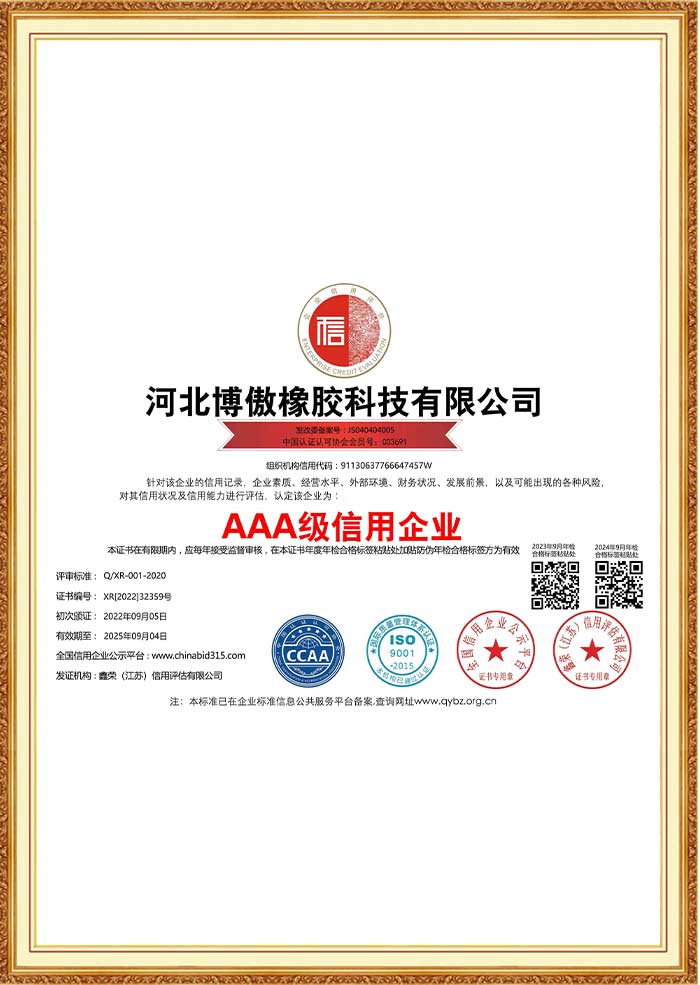
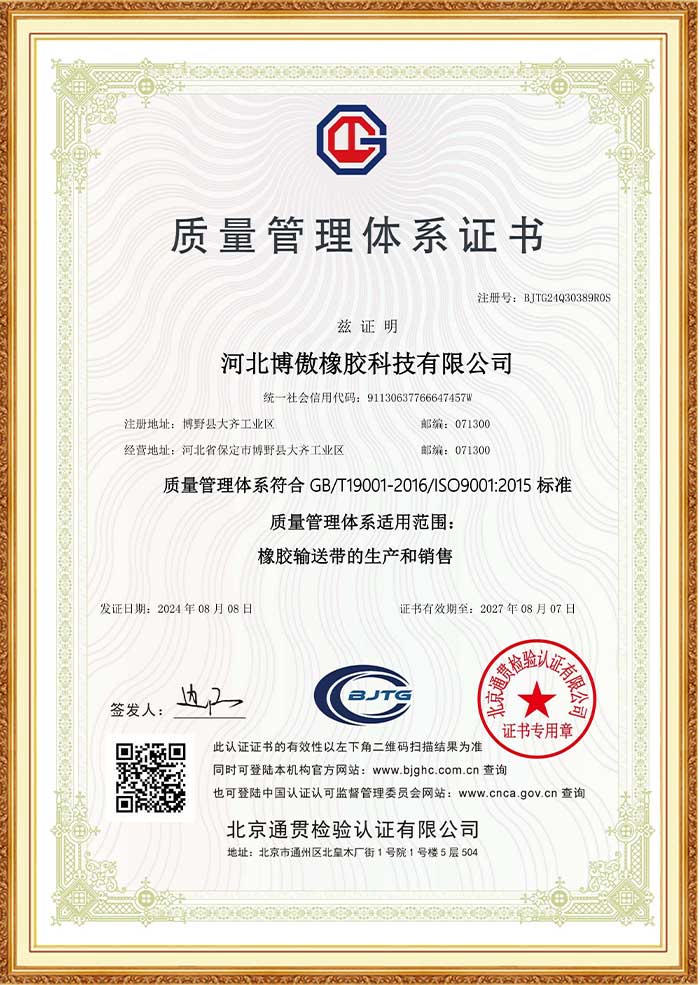
Our systems comply with global quality standards.
Detailed engineering insights for conveyor design, procurement, and maintenance.
Cover thickness must be matched to material abrasiveness, feed height, and cycle frequency. The top cover shields the carcass from impact and wear, while the bottom cover interfaces with drive pulleys and idlers. Standard DIN Grade X or Y compounds are recommended for mineral aggregates, while Grade W is specified for highly abrasive materials (such as quartz or sinter). Selecting the correct compound prevents premature wear and carcass exposure.
EP (Polyester warp / Polyamide weft) fabrics feature low elastic stretch, high resistance to moisture, and excellent dimensional stability under varying load conditions. NN (Nylon warp / Nylon weft) fabrics provide high elasticity, superior impact absorption, and excellent flex life. EP fabrics are generally selected for long-distance conveyor runs where tension tracking is critical, while NN is preferred for high-impact systems with frequent directional transitions.
Acid and alkali-resistant conveyor belts require specialized synthetic elastomer compounds, such as Chloroprene (CR) or EPDM, paired with chemical-resistant fabric reinforcement. Standard NR and SBR compounds swell and crack when exposed to acids, bases, or industrial solvents. Proper polymer selection ensures the belt maintains its physical structure in chemical processing and fertilizer plants.
We utilize EPDM compounds designed for high thermal stability. These formulations resist oxidation and heat-induced hardening. Operating procedures should also be optimized: utilizing heat-dissipating idler setups, maximizing conveyor speed to reduce heat contact time, and employing water cooling where appropriate can extend belt service life.
Mechanical fasteners create rigid points that are susceptible to fatigue cracking, run poorly over pulleys, and can damage belt scrapers. Vulcanization (either hot pressure curing or chemical cold bonding) maintains structural flexibility, prevents material leakage, and provides up to 90% of the original carcass strength, maximizing splice reliability.
Steel cord cores offer minimal elongation (typically under 0.2% at working tension) and high tensile strength (up to ST7500 rating), making them the industry standard for long-distance, high-lift applications. Fabric carcasses (EP/NN) are more cost-effective for short to medium runs, providing high flexibility and simpler splice execution.
Explore our full range of wear-resistant conveyor belts, support rollers, and impact assemblies.
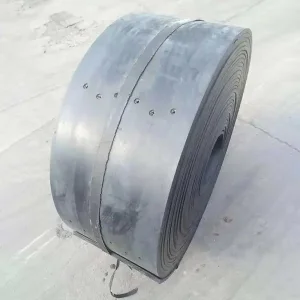
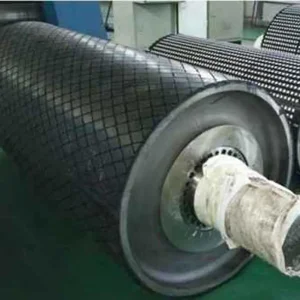
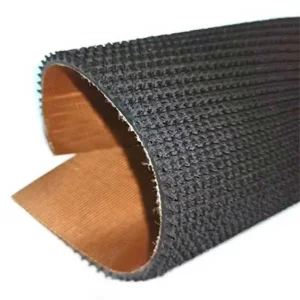
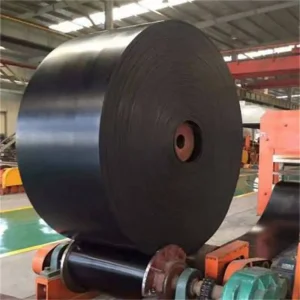
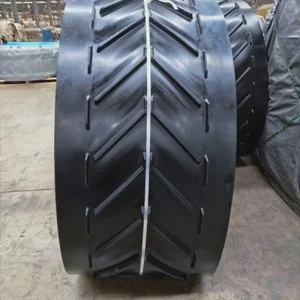
We provide full design and material specification support. Get in touch with our engineering team for a customized layout, technical parameter verification, and volume pricing.
 Boao Rubber