Explore our industrial-grade material handling components direct from our certified manufacturing facilities, designed for extreme durability and spillage control.
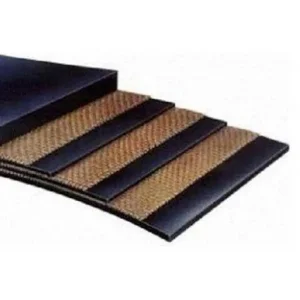
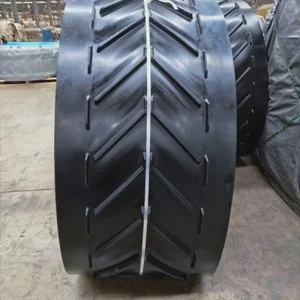
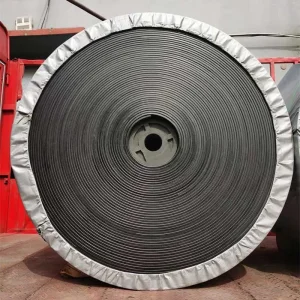
In modern bulk material handling, containment control at conveyor transfer points has shifted from simple maintenance routines to a critical ESG (Environmental, Social, and Governance) and operational priority. Conveyor skirting rubber, placed at loading zones, acts as a primary barrier against material spillage and dust generation. As global mining, cement manufacturing, steel production, and port facilities face tightening workplace dust exposure limits (especially respirable crystalline silica), high-performance skirting materials are in high demand.
Standard rubber strips are no longer sufficient for complex, high-velocity bulk transport. Advanced operations now require systems specifically engineered to handle high-tonnage impacts, varying belt speeds, and chemically aggressive materials. Poor skirting choice leads to belt wear, premature failure, high clean-up costs, and dust hazards. Investing in premium rubber or polyurethane compounds directly protects the main conveyor belt—the single most expensive physical component of bulk material handling lines.
Up to 85% of conveyor belt wear occurs at the loading and transfer points. Proper configuration of impact beds combined with precision-compounded skirting rubber can extend the lifespan of primary conveyor belts by 150% to 200%.
Calendering Line
Vulcanizing Press
Mixing Workshop
Slitting Department
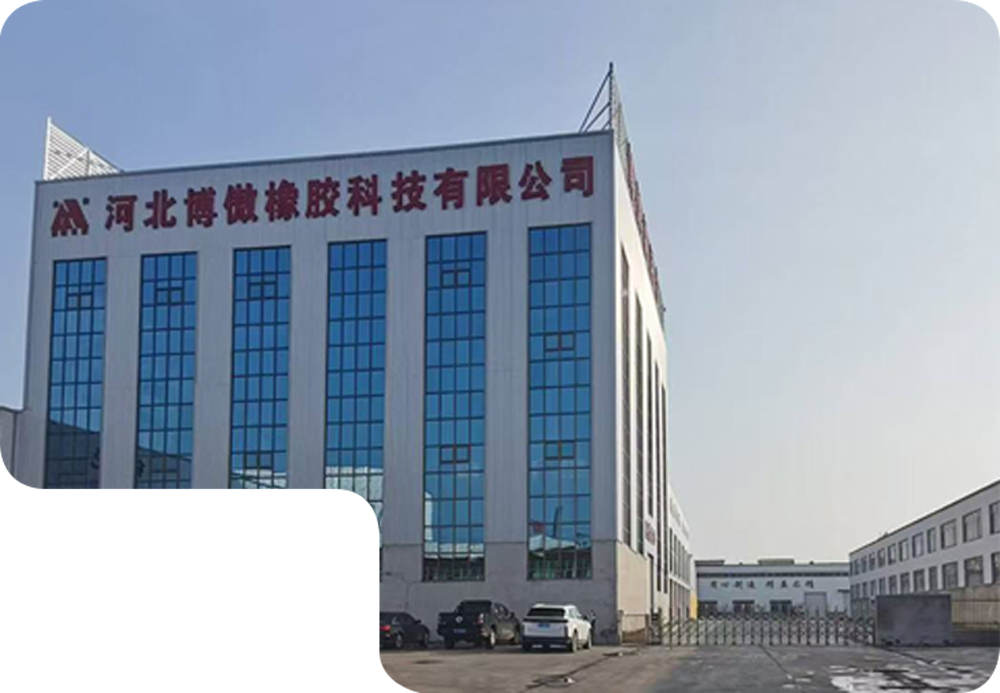
Founded in 2004 and situated in the Boye County Rubber Industrial Park of Baoding, Hebei Province, Hebei Boao Rubber Technology Co., Ltd. spans more than 30 acres of advanced manufacturing space. Under our brand "Jinao", we have built an international reputation as a leading manufacturer integrating development, design, and production of industrial conveyor belts, sealing systems, and specialized accessories.
Our facilities house modern production lines for rolling, forming, vulcanization, and material testing. We monitor every step of production—from raw rubber formulation to final slitting—ensuring compliance with global ISO standards. Our Jinao products are designed to deliver reliable sealing, dust containment, and low friction, helping industrial operations run efficiently.
A breakdown of the elastomeric formulations and configurations engineered for transfer points.
SBR (Styrene-Butadiene Rubber) provides a balance of abrasion resistance, elasticity, and value. Ideal for non-corrosive aggregates, gravel, and sand applications, it offers solid tensile strength and maintains a reliable seal against moving belts.
Engineered for high tear resistance and minimal coefficient of friction. Boao's natural rubber skirting features a softer Shore A durometer (typically 50° to 60°), designed to deform gently against the belt without scoring or wearing the top cover.
Our dual-durometer polyurethane and rubber systems combine two different hardness ratings. The stiff backing plate provides structural integrity, while the soft outer flap forms a flexible primary seal to contain fine dust particles.
| Material Type | Hardness (Shore A) | Tensile Strength (MPa) | Elongation at Break (%) | Operating Temperature | Primary Industrial Use Case |
|---|---|---|---|---|---|
| Natural Rubber Soft Sealing | 50° ± 5° | 15.0 - 18.0 | ≥ 450% | -40°C to +80°C | High-speed belts, fine silica dust, grain, and general aggregates |
| Heavy-Duty SBR Skirting | 60° ± 5° | 12.0 - 14.0 | ≥ 350% | -30°C to +90°C | Coal prep plants, quarrying, hard rock mining, and cement mills |
| Dual-Durometer Polyurethane | 70° / 55° | ≥ 20.0 | ≥ 500% | -40°C to +120°C | Extremely abrasive materials, high moisture, and chemical exposure |
| High-Temperature Resistant EPDM | 70° ± 5° | 10.0 - 12.0 | ≥ 300% | -30°C to +150°C | Sintering plants, steel works, clinker conveyors, and chemical plants |
How Jinao Brand sealing products perform in demanding bulk handling environments worldwide.
Dust containment in confined mining environments is critical. Our flame-retardant and anti-static skirting systems meet mining safety standards. They manage heavy coal surges at transfer points while suppressing dust generation.
Iron ore, sulfur, and coal terminals handle fluctuating volumes in wet, humid conditions. Jinao's water-resistant polyurethane and rubber dual seals adjust to changing loads, preventing spillage into sea lanes and reducing downtime.
Transporting raw materials and finished clinker requires wear-resistant components. Our high-temperature, EPDM-based conveyor skirting handles thermal stress up to 150°C, maintaining its seal profile without hardening or cracking.
For over two decades, our factory has maintained strict quality protocols from raw materials to final delivery. In our independent chemical analysis and physics laboratories, our team tests rubber compounds for tensile strength, density, wear index, and temperature limits. We do not use substandard fillers, meaning our skirting rubber retains its elasticity and shape over time.
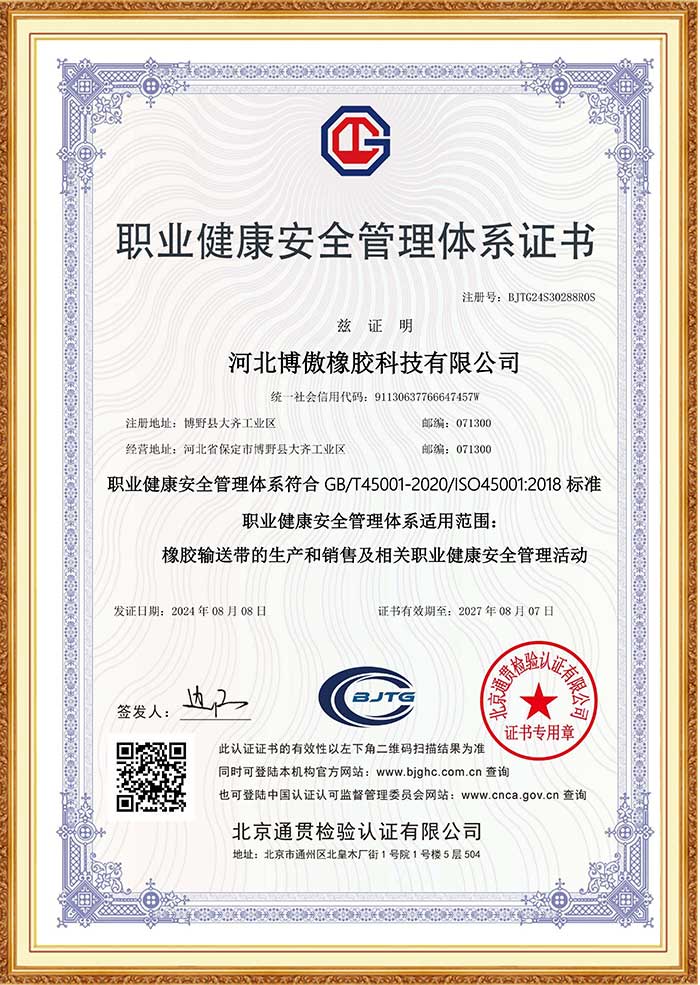
Quality Certificate 1
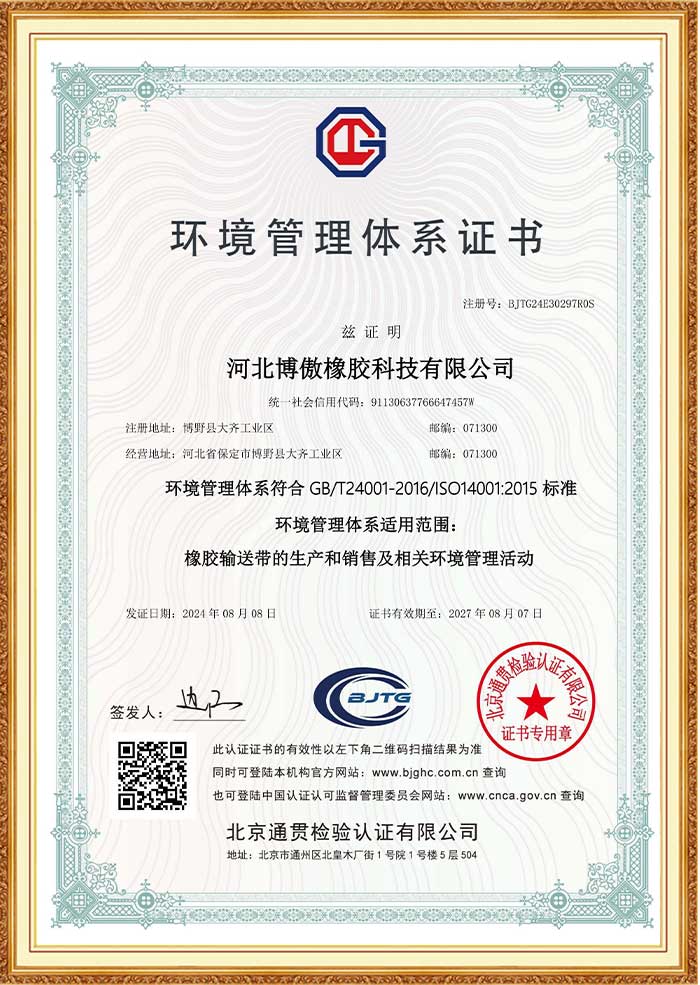
Quality Certificate 2
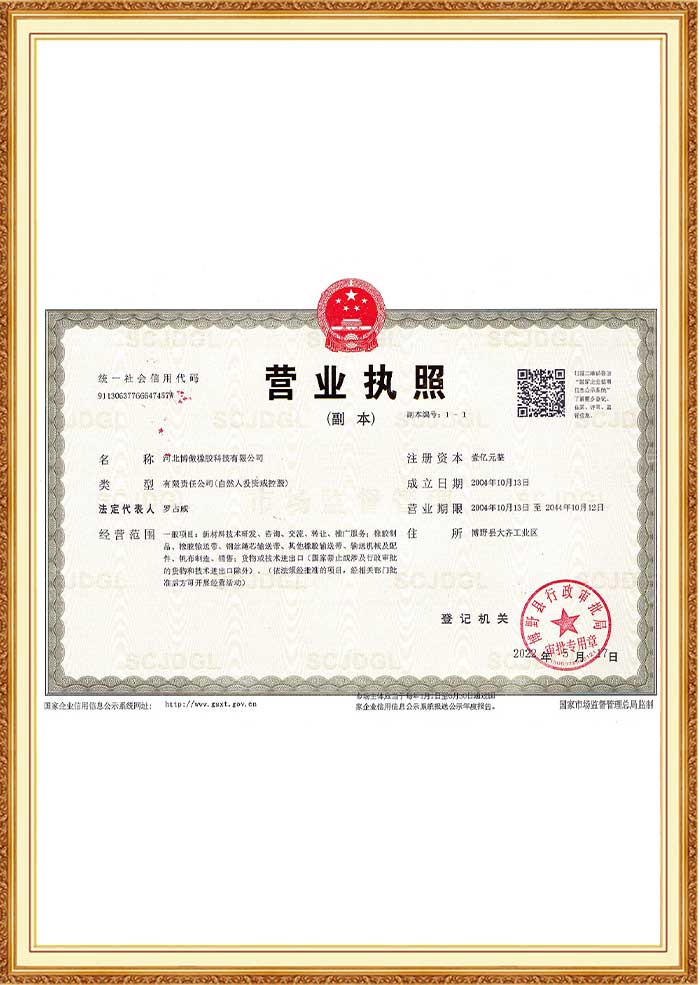
Quality Certificate 3
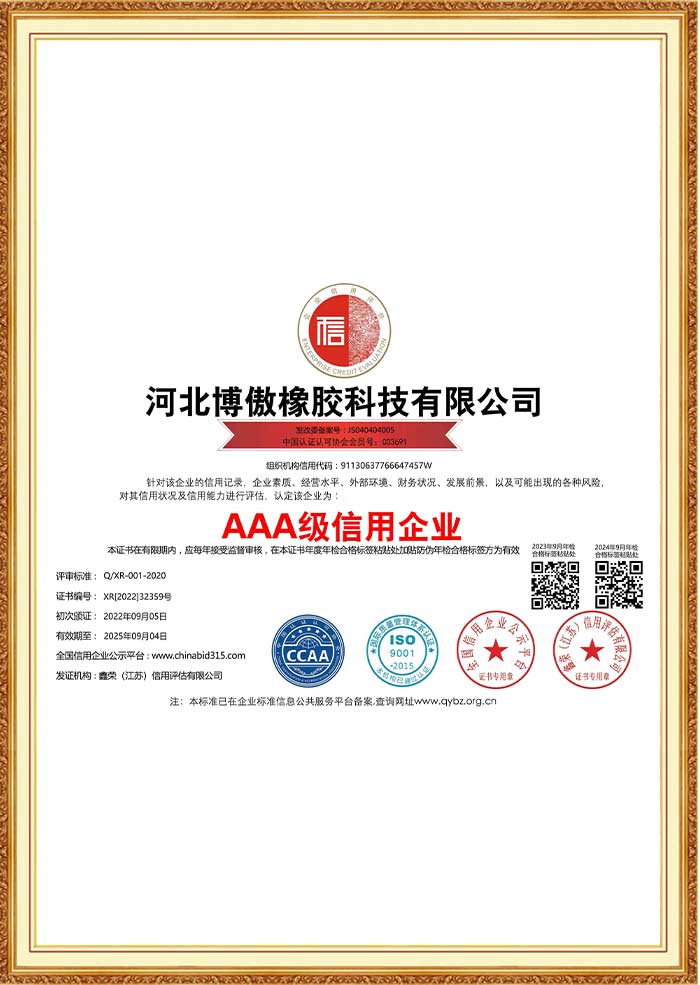
Quality Certificate 4
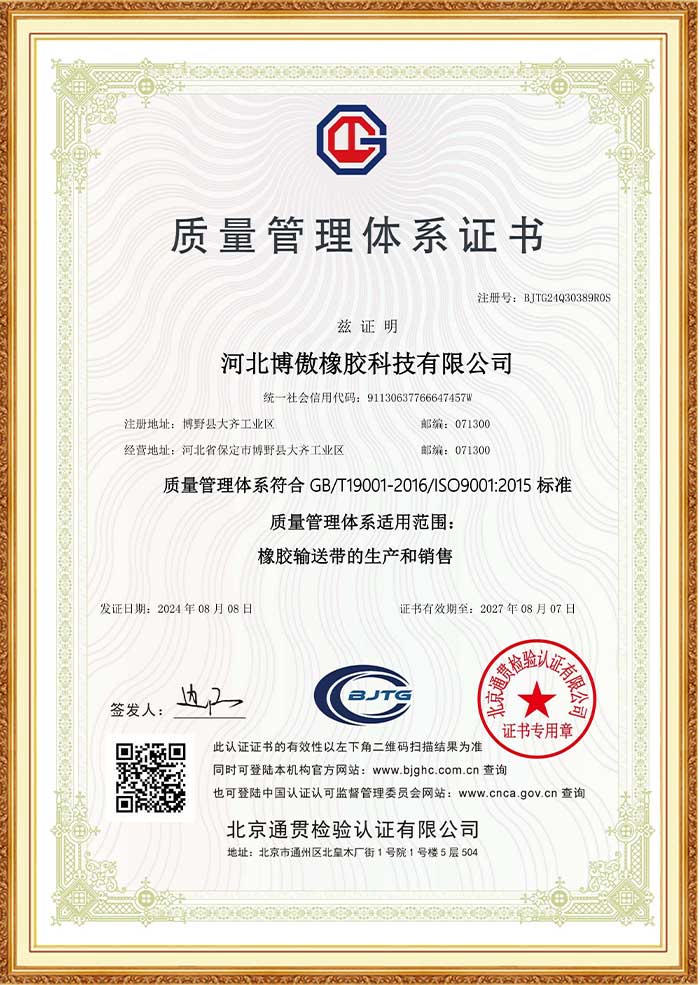
Quality Certificate 5
Adapting sealing technology to meet the demands of tomorrow's heavy-duty industrial conveyors.
Next-generation skirting systems will use spring-loaded or pneumatically controlled clamp assemblies to adjust height automatically as the rubber wears, reducing the need for manual maintenance checks.
We are researching sensor-embedded polyurethane flaps. These built-in indicators send real-time wear data to operations teams, warning them of potential spillage issues before they occur.
By blending lubricating waxes and PTFE-like compounds into natural rubber matrices, Jinao's next-generation skirting minimizes belt friction, reducing conveyor motor power draw.
We are exploring renewable monomers to replace traditional petrochemical rubbers, creating environmentally friendly skirting compounds with high abrasion resistance.
Jinao brand components deliver reliable service across major industrial networks and material handling lines.
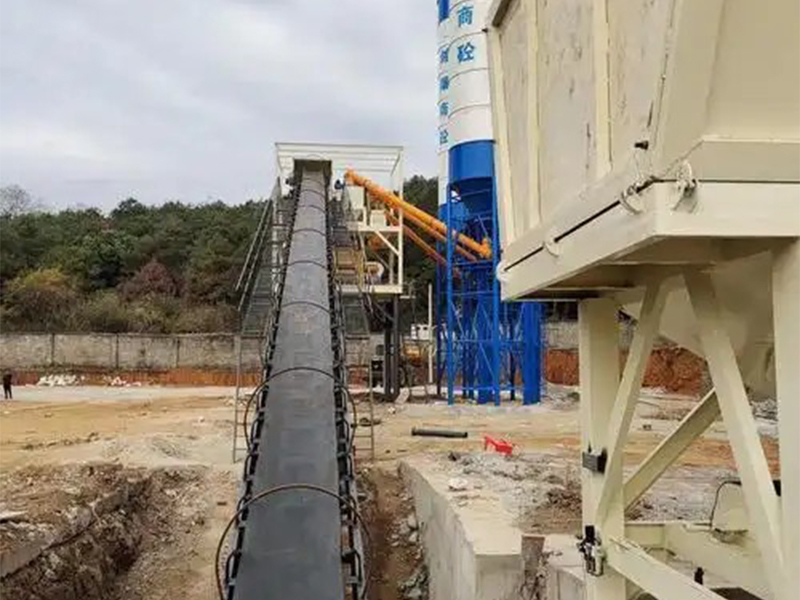
Supported high-volume concrete production with specialized heat and impact-resistant conveyor systems.
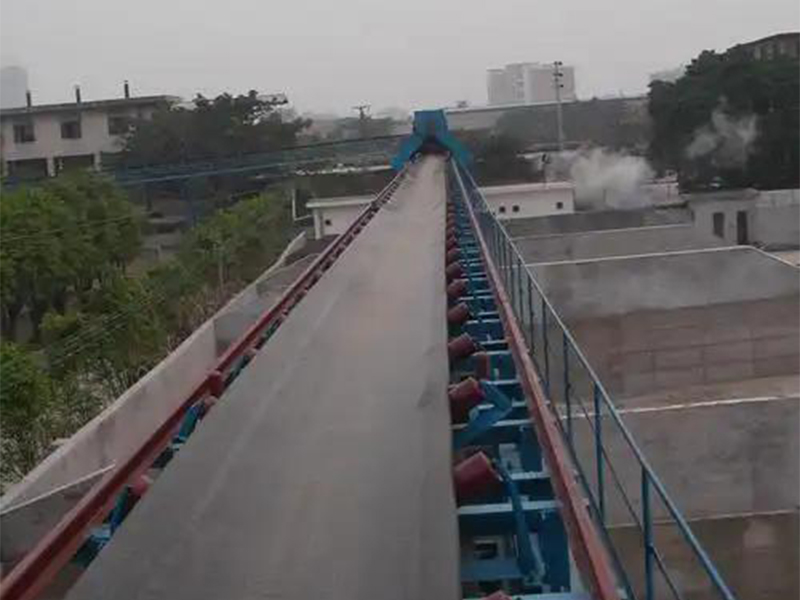
Supplied durable clinker-resistant conveyor belts and sealing rubber to maintain continuous production.
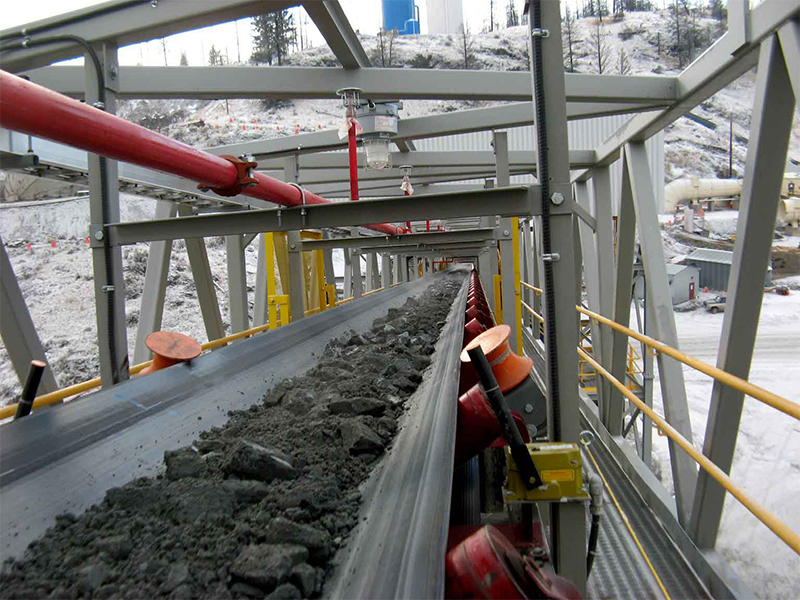
Installed heavy-duty flame-retardant belt systems in underground mines to handle high volumes safely.
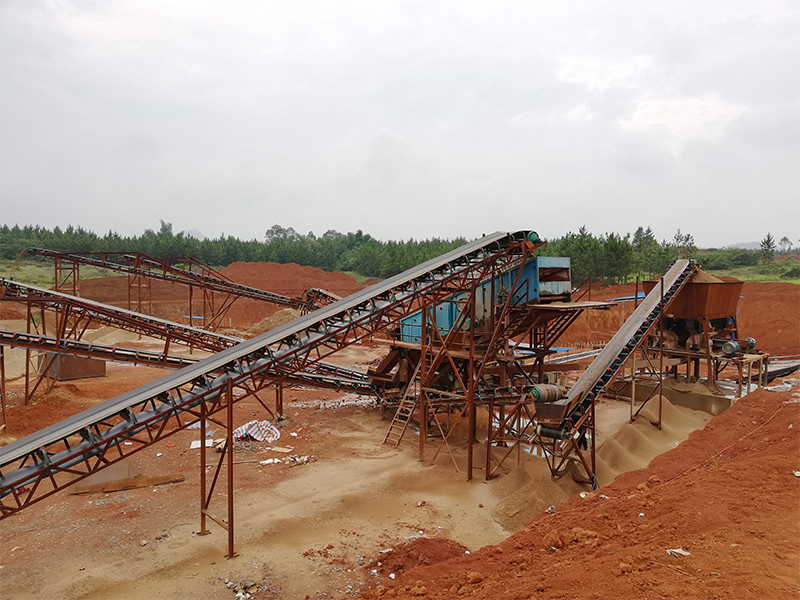
Equipped mineral processing lines with reliable acid and alkali-resistant sealing components.
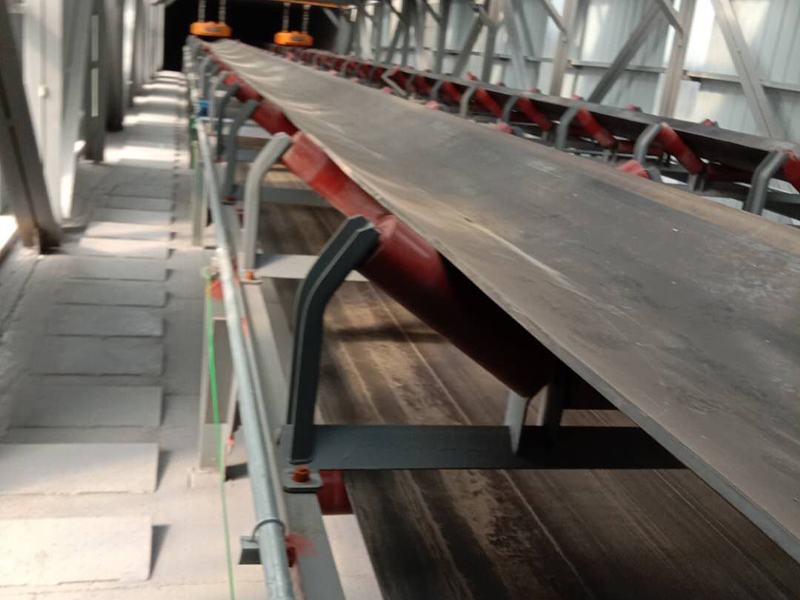
Provided high-temperature heat-resistant belting for sinter and blast furnace operations.
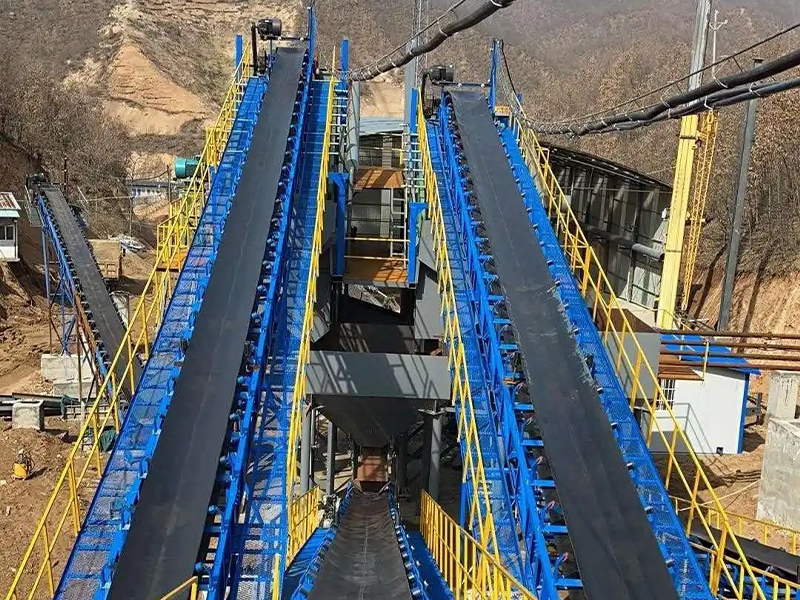
Installed wear-resistant skirting and impact-absorbing idlers in heavy ore processing facilities.
Additional Collaborating Partners Include: Jidong Cement Group, Jinmei Group Coal Conveying Line, and Puyang Steel Group.
Skip the hassle of sourcing from multiple suppliers – our factory provides your ideal packaging and conveyor solutions all in one place.
We provide planned replacement, repair, inspection, maintenance, and emergency repair of conveyor belts and supporting sealing systems.
Supply of conveyor belts and rubber materials, safety stock management, daily inventory storage, planned bonding, rubber surface maintenance, repair, daily inspections, and emergency repair operations.
We aim to improve the operational efficiency of your belt conveyors, reduce belt consumption, and achieve mutual benefit through clear SLA agreements.
Our program ensures safe, stable, and economical operation of equipment, extending the life cycle of conveyor belts and sealing elements.
Expert engineering answers about choosing, installing, and maintaining conveyor skirting rubber systems.
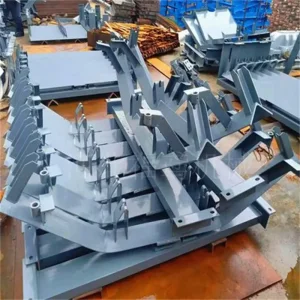
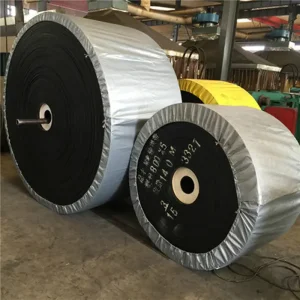
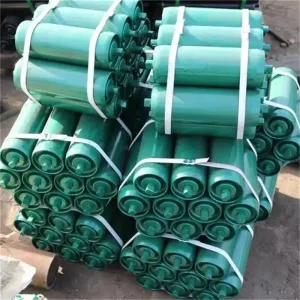
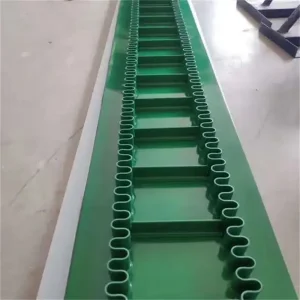
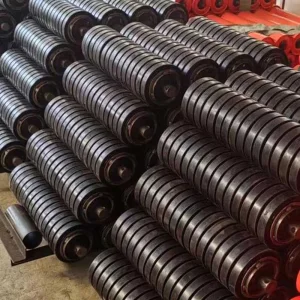
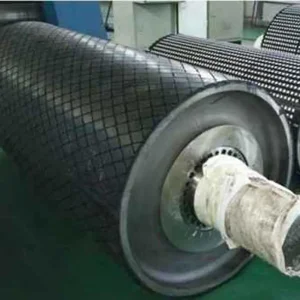
Complete your material handling setup with our range of conveyor belts, rollers, and impact systems designed to improve efficiency.
 Boao Rubber