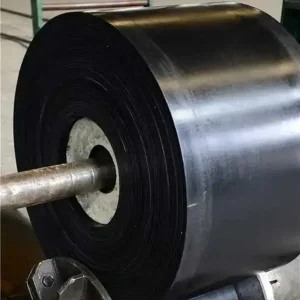
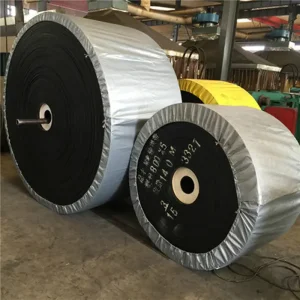
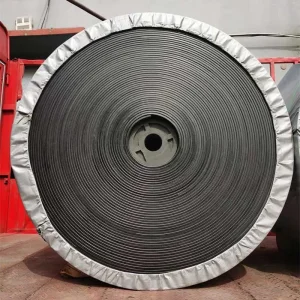
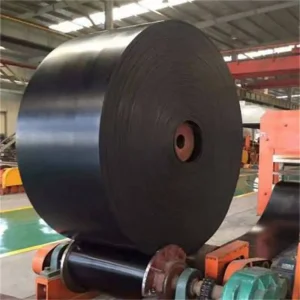
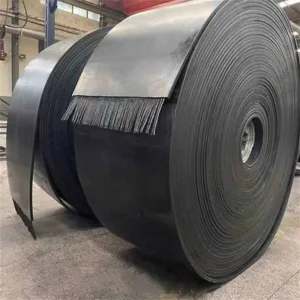
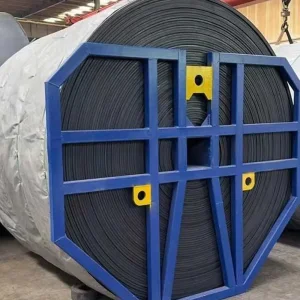
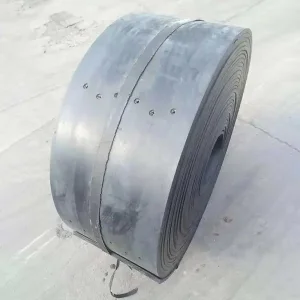
Explore our specialized range of chemical, heat, cold, and high-strength conveyor belts engineered to withstand severe industrial conditions.
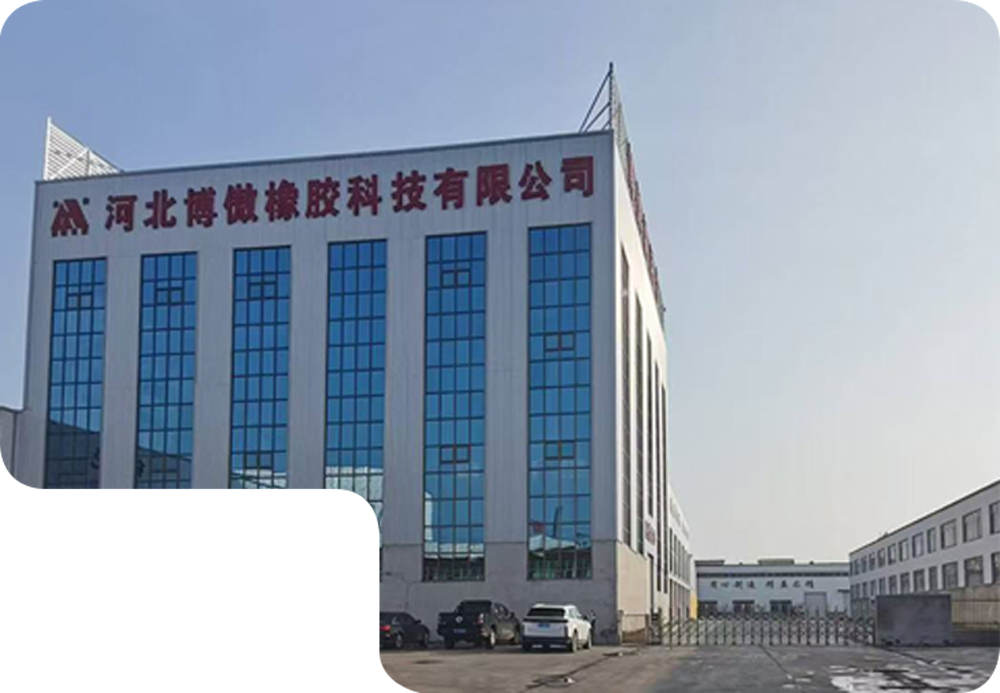
Hebei Boao Rubber Technology Co., Ltd. is located in the heart of the Rubber Industrial Park of Boye County, Baoding, Hebei Province. Founded in 2004, the company spans over 30 acres of modern production grounds and has dedicated 22 years to the research, design, testing, and manufacturing of heavy-duty conveyor solutions.
Under our flagship brand "Jinao", we have integrated raw material mixing, curing, vulcanization, and physics/chemical quality validation under a single facility. Our state-of-the-art rolling, forming, and automated vulcanization lines allow for consistent high-performance outputs, earning our place as a strategic global partner in heavy material logistics.
We control the production chain from compound recipe to final test. This guarantees that every acid and alkali resistant belt meets the high standards required by heavy chemical and industrial complexes.
An in-depth analysis of elastomer selections, mechanical characteristics, and performance thresholds under high-corrosive working conditions.
Standard rubber conveyor belts are highly susceptible to chemical attack. In environments where hydrochloric acid, sulfuric acid, nitric acid, or strong alkaline substances like sodium hydroxide are present, conventional polymers undergo polymer chain degradation. This manifests as swelling, loss of tensile strength, cracking, and eventual belt failure.
To combat this, the engineering team at Hebei Boao Rubber Technology utilizes specialized synthetic elastomers, notably Ethylene Propylene Diene Monomer (EPDM), Chloroprene Rubber (CR), and Chlorosulfonated Polyethylene (CSM). EPDM offers excellent resistance to polar organic chemicals and inorganic acids due to its fully saturated backbone. The carbon-to-carbon bonds prevent oxidation and resist chemical penetration. Conversely, for materials containing trace hydrocarbons or oils alongside acidic properties, modified Nitrile (NBR) and Chloroprene formulations are used to maintain structural integrity.
Our formulation engineering involves optimized cross-linking density. High cross-linking density prevents chemical molecules from penetrating the intermolecular spaces of the rubber, reducing the volumetric swelling ratio to under 10% after 168 hours of immersion in standard industrial acids. Our chemical testing laboratory monitors compound behaviors across several diagnostic matrices, ensuring that tensile strength retention remains above 75% under long-term chemical contact.
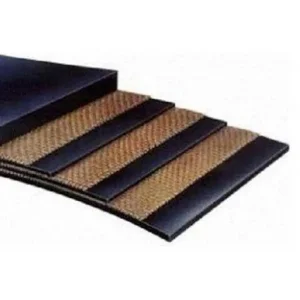
While the outer rubber cover serves as the primary barrier against chemical degradation, the internal carcass provides the mechanical load capacity. Acid and alkali resistant conveyor belts from our factory utilize high-modulus polyester (EP) or polyamide/nylon (NN) plies, as well as high-tensile steel wire rope cores for deep industrial applications.
Polyester fibers (EP) demonstrate superior resistance to acidic environments compared to polyamide, as polyester lacks the amide bonds that are highly prone to hydrolysis. Consequently, EP plies are our primary recommendation for fertilizer plants and wet metallurgical systems. The plies are treated with a specialized adhesion promoter to prevent delamination—a critical failure point where chemical substances seep into the belt edges, compromising the core-to-cover bond. For heavy-duty applications requiring high tensile strength and long-distance conveying, steel wire ropes are embedded within the chemically stabilized rubber matrices to offer high tear resistance.
| Elastomer Type | Acid Resistance (pH 1-6) | Alkali Resistance (pH 8-14) | Max Temp Support | Primary Industrial Use Case |
|---|---|---|---|---|
| Specialized EPDM | Excellent (up to 70% H₂SO₄) | Excellent (up to 50% NaOH) | 150°C | Chemical Processing & Fertilizer plants |
| Chloroprene (CR) | Good (Medium concentrations) | Good | 120°C | Coal Preparation & Metallurgical lines |
| Nitrile Blend (NBR) | Fair | Good | 100°C | Chemical Waste with Oil/Grease residue |
| CSM (Hypalon class) | Outstanding (Concentrated acids) | Outstanding | 160°C | Extreme acid environment leach systems |
In global industrial systems, material transport is not a standalone process; it is a critical variable in the productivity equation. Chemical conveying issues affect downstream yields, increase maintenance schedules, and impact environmental compliance. Our engineering team develops targeted systems for various macro industries:
Quality assurance is not a final checklist at Hebei Boao Rubber Technology; it is embedded in the production process. Our on-site physics and chemical laboratories run standardized testing routines for every production run:
Abrasive Wear Analysis: Chemical exposure softens rubber compounds, making them susceptible to physical wear. We perform DIN abrasion testing to verify that the rubber cover maintains low volumetric loss (<120 mm³) even when exposed to chemicals.
Elongation and Tensile Strength Verification: Using precision tensile testers, we verify that the adhesion strength between the fabric plies and the rubber cover exceeds 6.0 N/mm. This prevents delamination under high tension.
Environmental Aging Testing: Using ozone-aging chambers, we simulate years of exposure to environmental factors and gaseous chemical residues to verify that the belt does not develop surface micro-cracks over time.
Discover the operational advantages of partnering with a specialized Chinese manufacturer focused on performance, durability, and service.
Our independent chemical analysis and physics laboratories monitor all incoming raw materials and finished products, preventing substandard products from leaving the facility.
Professional inspectors check compound consistency, vulcanization temperature distributions, and dimensional tolerances at each step of the production process.
Supported by a technical service system, our products are exported globally and utilized in coal, steel, metallurgy, cement, power, and chemical ports.
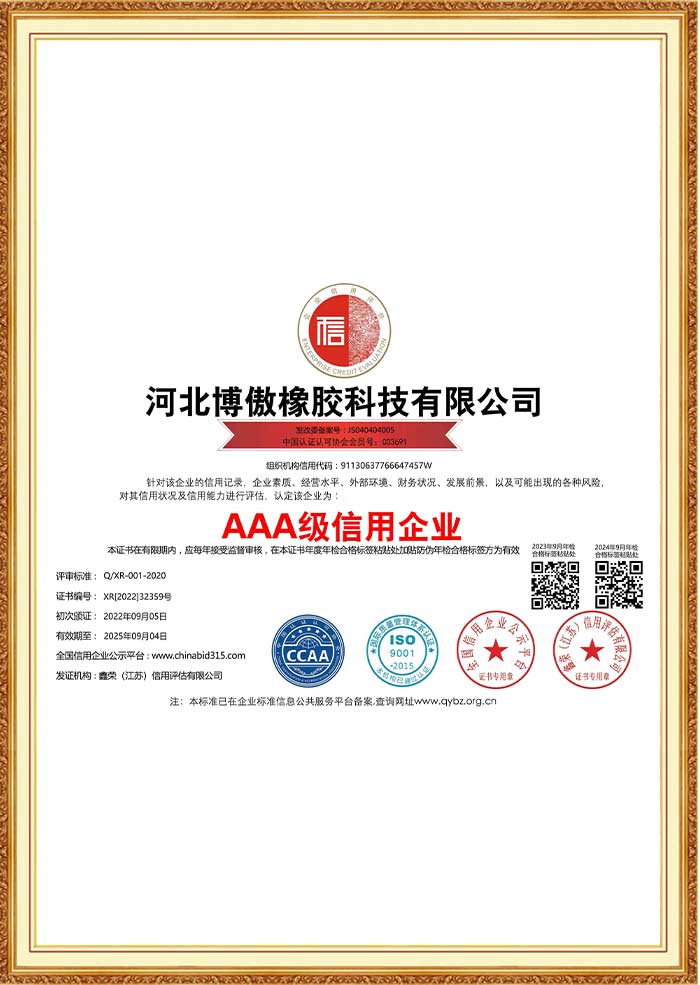
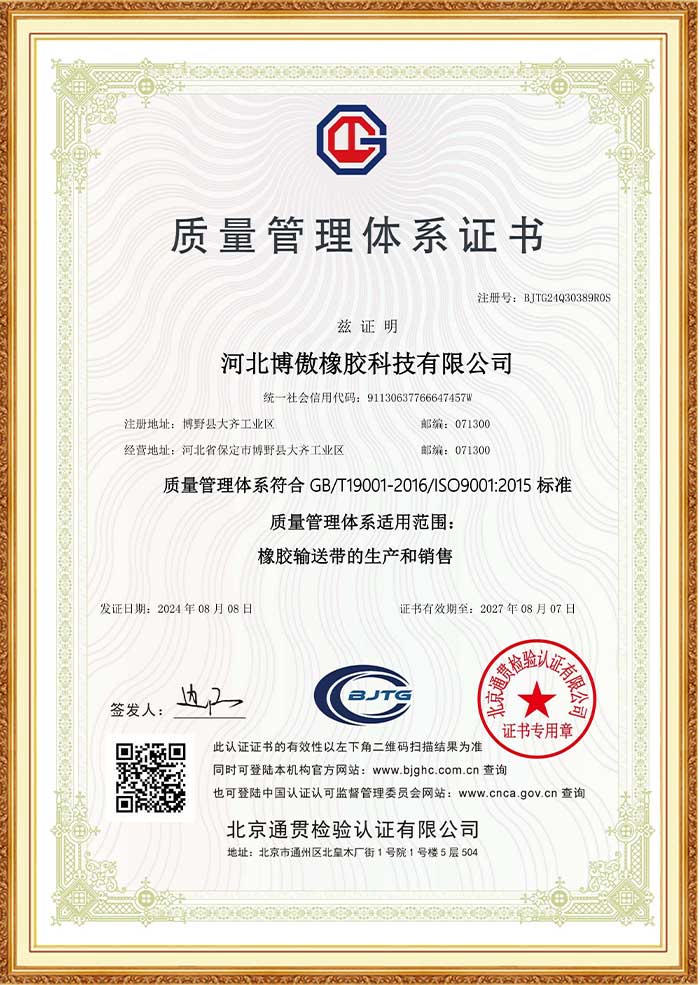
Our quality system is verified by international inspection bodies, guaranteeing that our production conforms to ISO global standards.
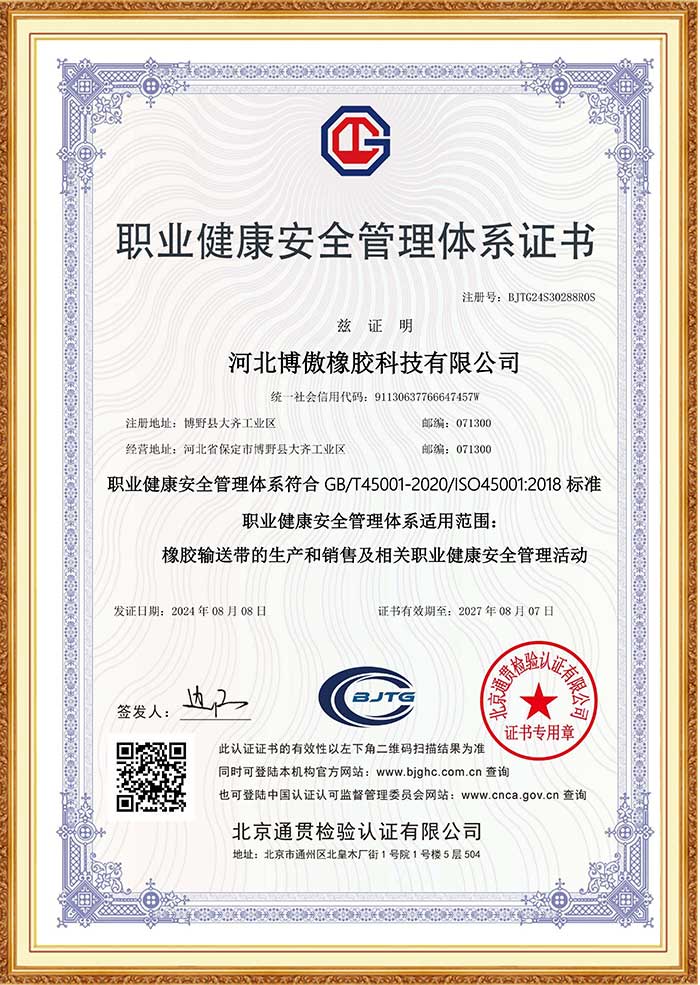
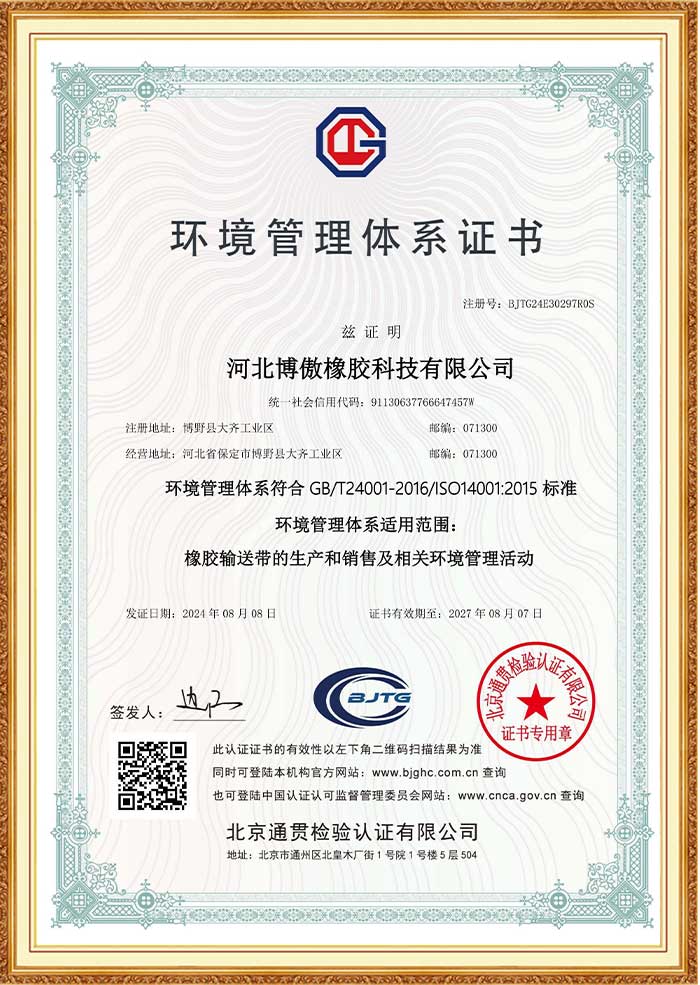
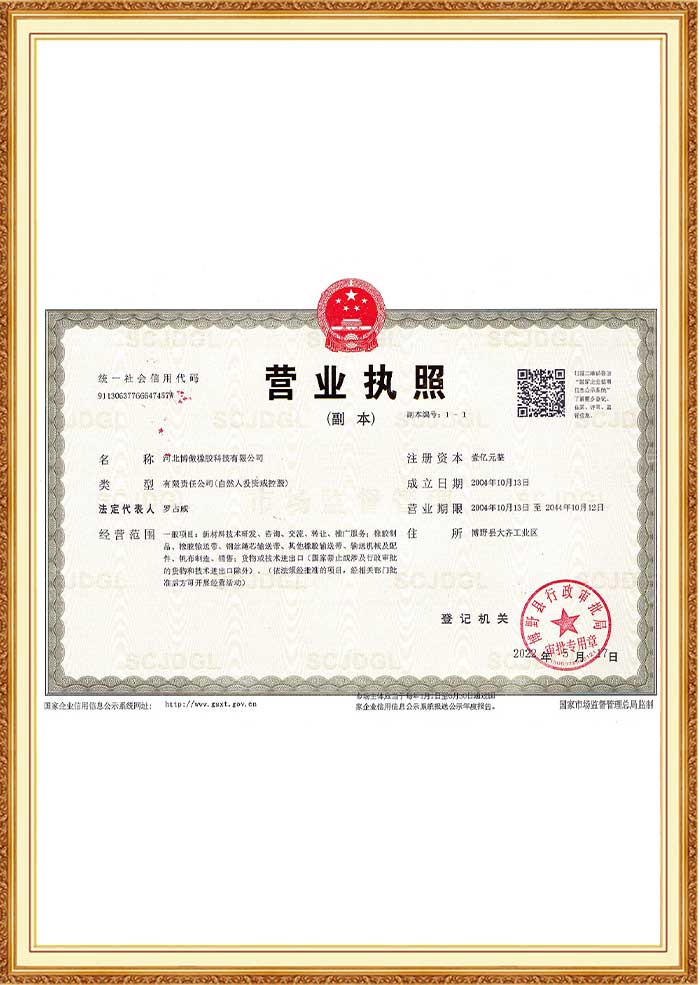
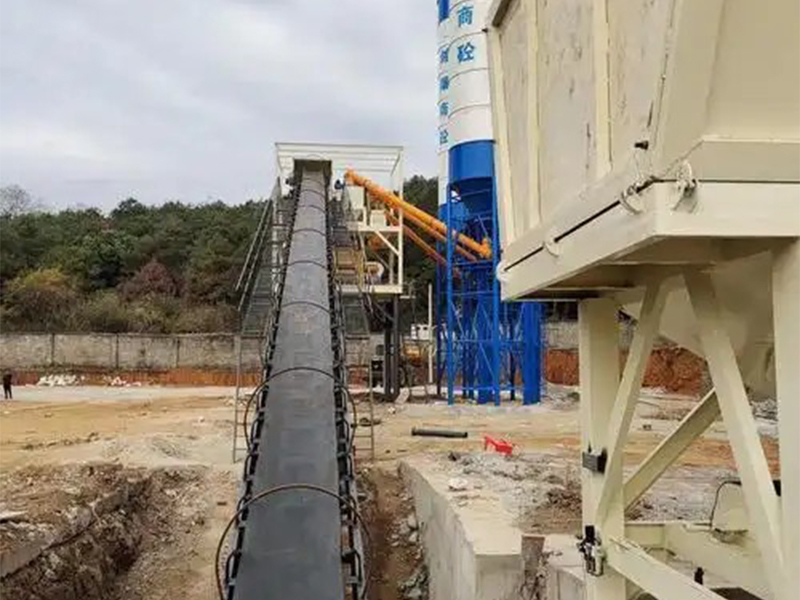
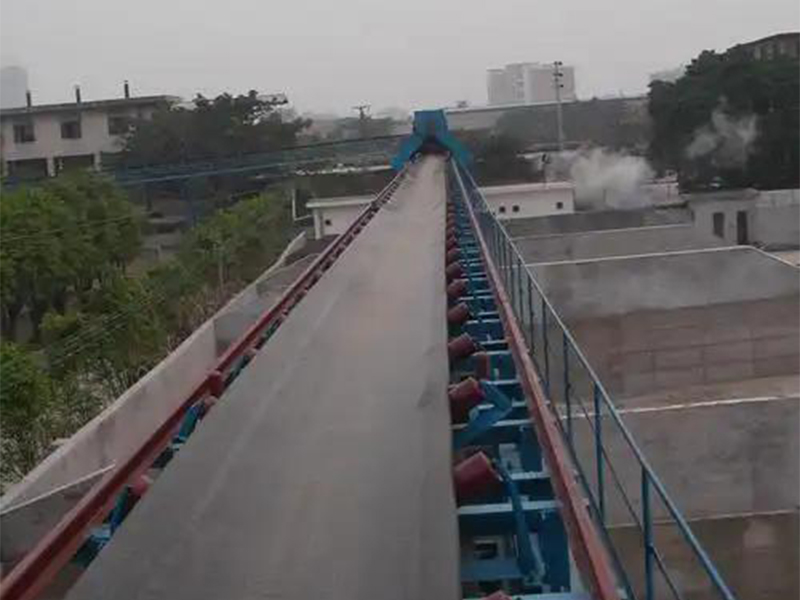
We supply heavy industrial enterprises with reliable conveyor systems to support continuous operation in demanding environments.
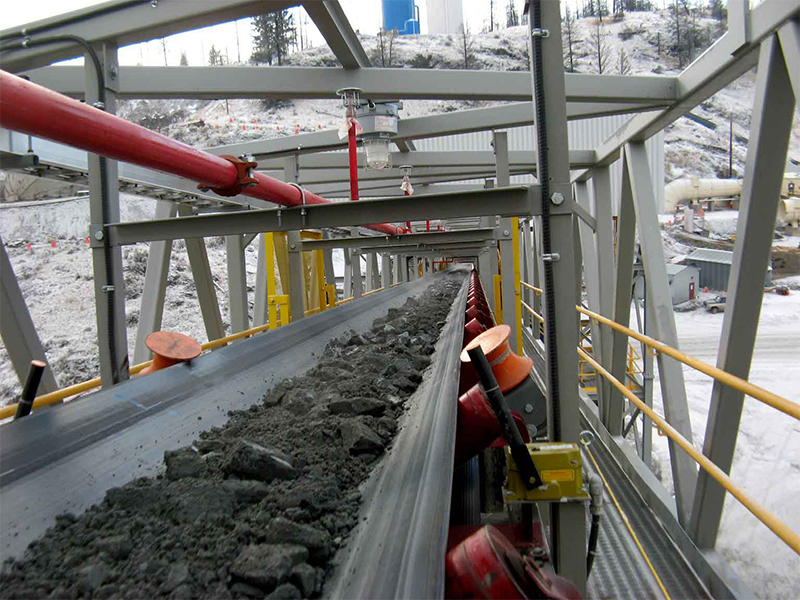
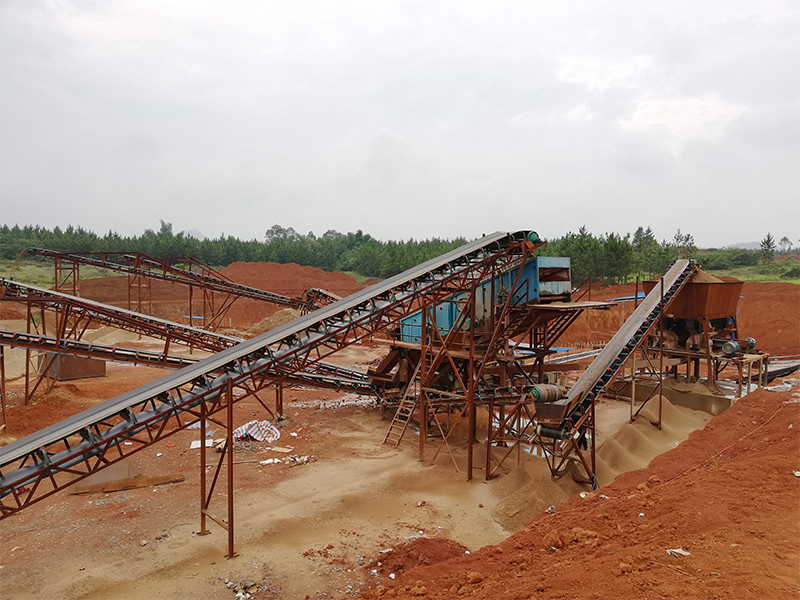
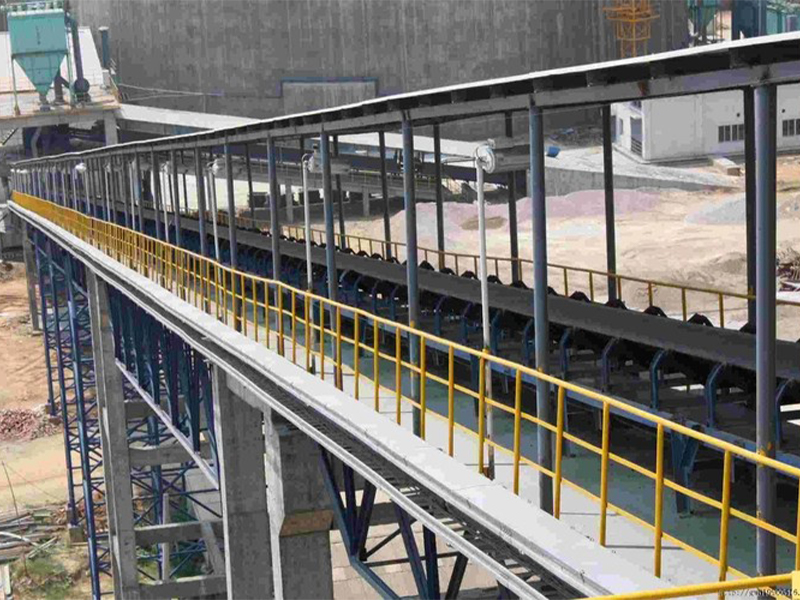
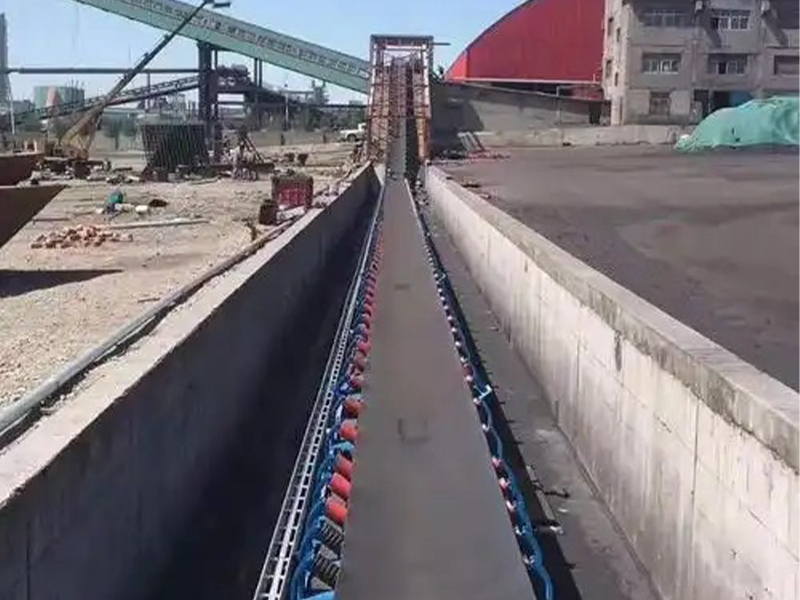
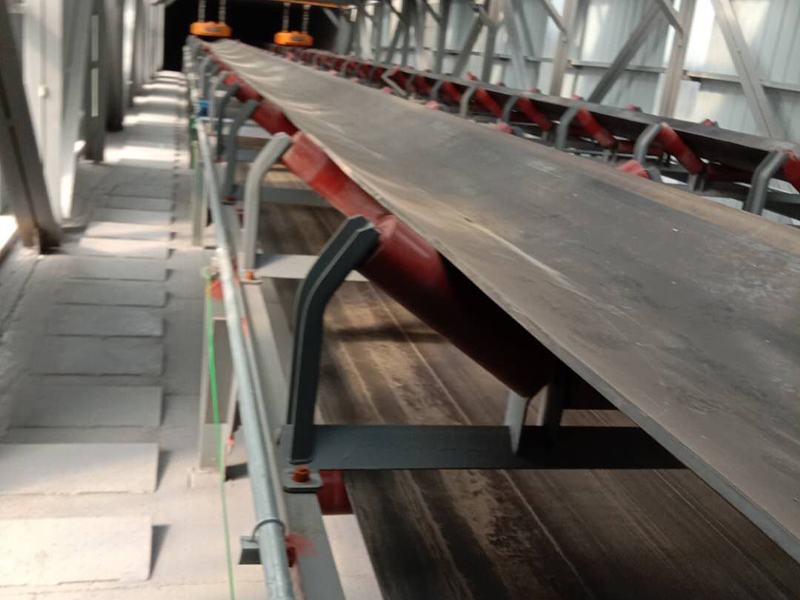
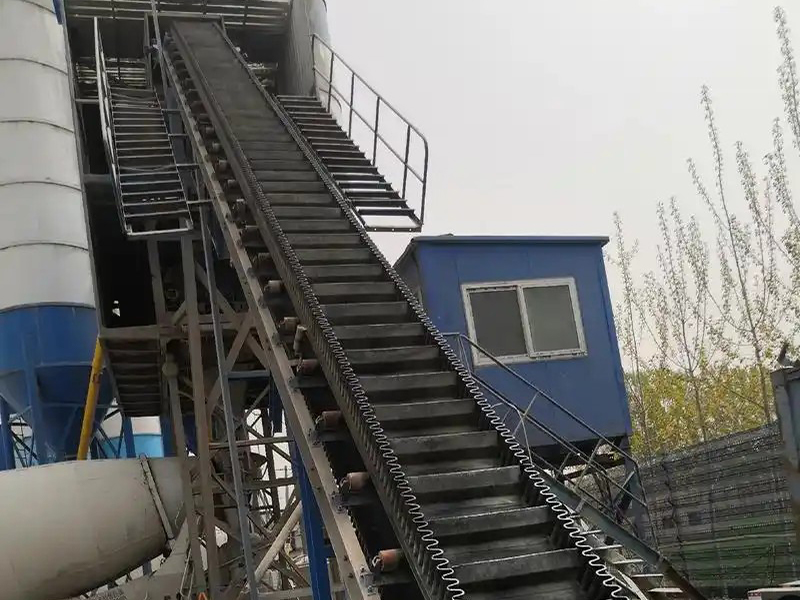
Optimizing conveyor belt operation through structured technical support, routine inspections, and advanced diagnostic monitoring.
We perform detailed site reviews of the chemical environment, identifying temperature spikes, pH variations, and load dynamics. This ensures we select the correct polymer compound for the specific conditions.
Chemical environments put significant stress on belt joints. Our technicians provide instructions for hot vulcanized splicing, using chemical-resistant tie gums to ensure the splice has the same chemical resistance as the belt cover.
Through regular cover thickness measurements and shore hardness profiling, we help customers monitor belt wear, optimizing maintenance schedules to prevent unexpected downtime.
As heavy industry shifts toward digital monitoring, Hebei Boao Rubber Technology is researching smart conveyor systems for chemical applications. We are developing cover rubbers embedded with wear-indicator layers that show visible color shifts before chemical penetration reaches the internal reinforcement carcass.
Additionally, we are exploring the integration of thin sensor matrices in our steel wire rope core belts. These systems monitor heat and tension variations in real time, alerting operators to abnormalities before mechanical failures occur. This technical development helps reduce operational risks in critical processing lines.
Expert answers to common questions about selection, installation, and chemical resistance thresholds.
EPDM is a saturated elastomer that offers excellent resistance to polar chemicals, inorganic acids (such as sulfuric and hydrochloric acid), and alkalis. However, it has low resistance to mineral oils and hydrocarbons. Chloroprene (CR) provides moderate resistance to both acids and oils, making it suitable for applications where chemicals and oils are present together, such as in coal preparation and metallurgical lines.
Delamination occurs when chemicals seep into the edges of the belt and compromise the bond between the plies. To prevent this, we use chemical-resistant adhesive compounds and fully wrap the belt edges during vulcanization. We also use polyester (EP) plies, which are highly resistant to chemical hydrolysis compared to standard nylon.
Our standard EPDM belts are designed to handle sulfuric acid concentrations up to 70% and sodium hydroxide solutions up to 50% at temperatures below 60°C. For higher concentrations or temperatures, we customize our compounds using CSM elastomers. Please consult our technical team with your chemical profiles for a precise recommendation.
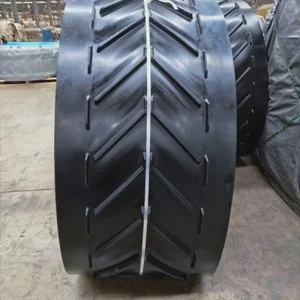
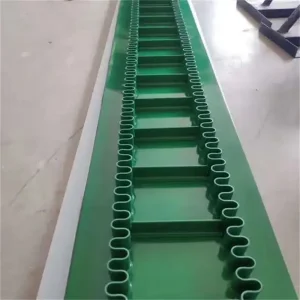
Yes. As a direct manufacturer, we supply belts in widths ranging from 300mm to 2200mm, with custom cover thicknesses (e.g., 6mm top + 3mm bottom) and specialized profiles, including molded cleats and corrugated sidewalls, to fit your conveyor configurations.
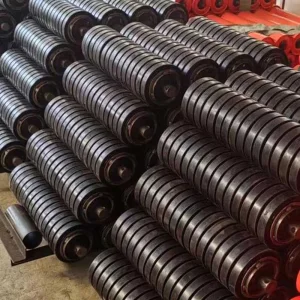
Browse our full range of industrial conveyor belts, roller accessories, and high-strength steel cord solutions.
 Boao Rubber