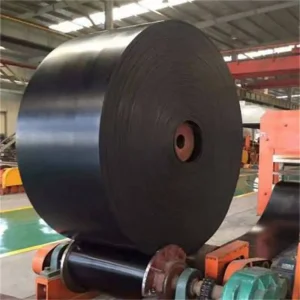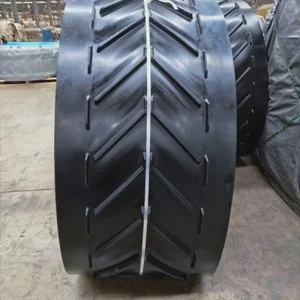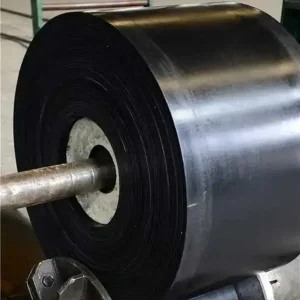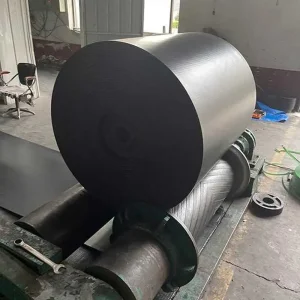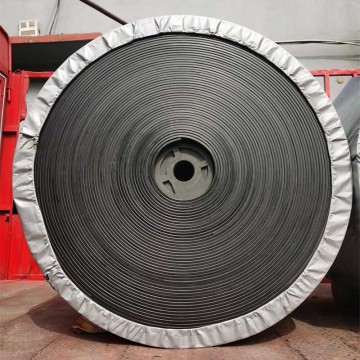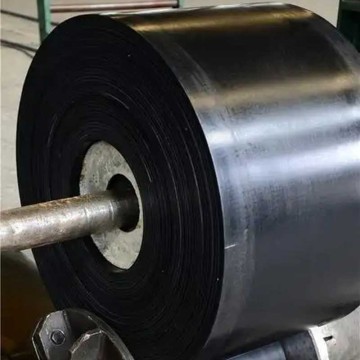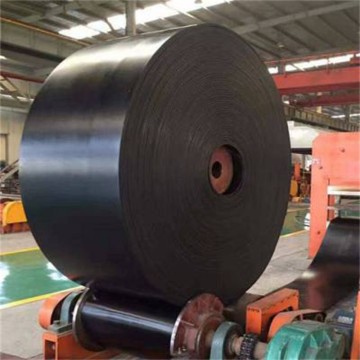
Best 4 Inch Wide Rubber Belt Supplier & Suppliers

High-Performance Conveyor Systems, Precision Industrial Customization, and Resilient Material Handling Solutions

Premium Industrial Belts & Accessories

Explore our core engineering components optimized for heavy-duty applications across global supply chains.

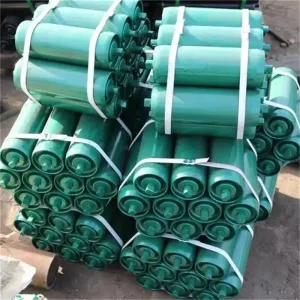
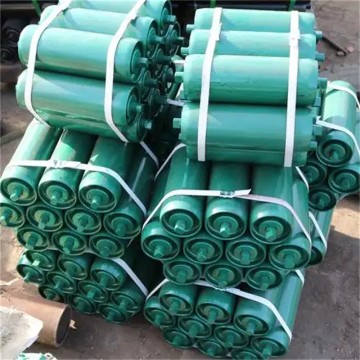
Best Suspended Trough Shape Conveyor Belt Idlers

Best Suspended Trough Shape Conveyor Belt Idlers: Top Manufacturers and Suppliers in China

View Details
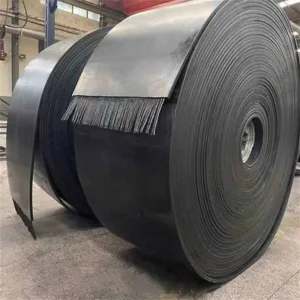
High-Quality Steel Wire Rope Conveyor Belt

Best High-Quality Steel Wire Rope Core Conveyor Belt from Reliable China Suppliers

View Details
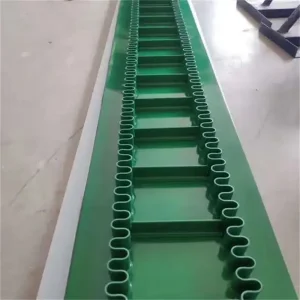
China PVC-PU Conveyor Belt Suppliers

China PVC-PU Lightweight Conveyor Belt Suppliers - Durable Factory Manufacturing for Every Application

View Details
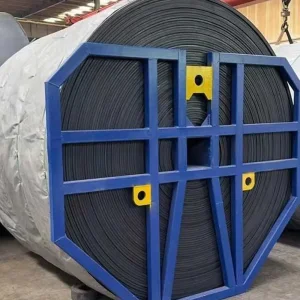
Anti Tear Steel Wire Rope Conveyor Belt Suppliers

Best Anti Tear Steel Wire Rope Core Conveyor Belt | China Suppliers & Factory for Flame Retardant Solutions

View Details
High Quality Nylon Rubber Conveyor Belts

Best High-Quality Nylon Rubber Conveyor Belts from China Suppliers | Durable NN Conveyor Belt

View Details
China Suppliers Rubber Conveyor Belt Human Shaped Patterns

China Suppliers Factory Patterned Rubber Conveyor Belt with High, Medium, and Low Human-Shaped Patterns

View Details
Acid Alkali Resistant Conveyor Belt Suppliers

Best Acid and Alkali Resistant Conveyor Belt Suppliers in China | High-Performance Factory Solutions

View Details
China Flame Retardant Rubber Conveyor Belt

China Flame Retardant Rubber Conveyor Belt - Quality Products from China Suppliers and Factory

View Details

4 Inch Wide Rubber Belting: The Definitive Industrial Guide & Sourcing Strategy

In heavy-duty material handling, automated processing, and assembly logistics, the mechanical integrity of small-width belting plays a vital role in operational efficiency. The 4-inch wide rubber belt represents a highly versatile cross-industry standard, serving as the core conveyor component in demanding environments. This comprehensive industry whitepaper examines the global commercial landscapes, manufacturing methodologies, material chemistry, and procurement pathways that define modern heavy-duty belting systems.

"The longevity and operational efficiency of dynamic conveyor lines do not depend solely on their scale, but on the precise calibration of belt width, carcass composition, and compound optimization. In specialized narrow-width scenarios, a 4-inch wide rubber belt is a critical component for processing reliability."

1. Anatomy, Compounding Chemistry, and Construction

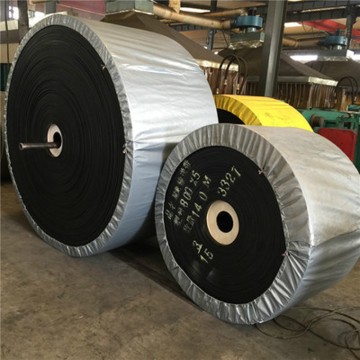
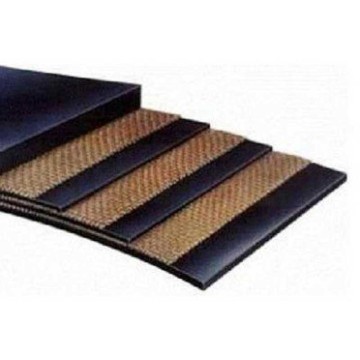
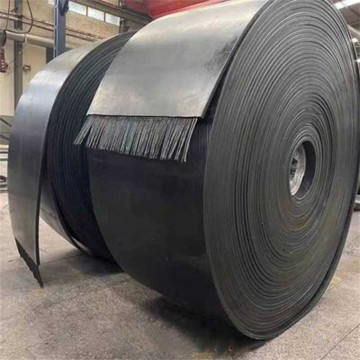
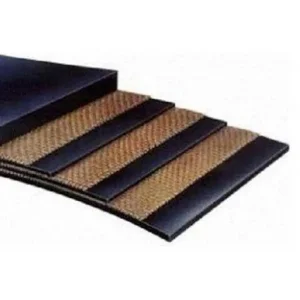
Understanding the physical composition of a 4-inch wide rubber belt is essential for sourcing high-performance solutions. Industrial rubber belts consist of three main layers: the top rubber cover, the internal reinforcing carcass, and the bottom cover. The combination of these layers determines the belt's tensile strength, elasticity, chemical compatibility, and durability under mechanical stress.

The reinforcing carcass acts as the backbone, handling tension and keeping the belt stable. In the 4-inch category, this carcass typically features fabrics like Polyester (EP) or Nylon (NN):

  • Polyester (EP) Fabric: Polyester cords warp-wise and nylon cords fill-wise provide low elongation, high tensile strength, and excellent moisture resistance. This structure is ideal for medium-to-long distance conveyors where maintaining consistent tension is crucial.
  • Nylon (NN) Fabric: Nylon warp and fill cords deliver high elasticity, excellent resistance to heavy impacts, and superior flex fatigue life. This makes NN belts ideal for small pulley diameters and shock-loading applications.
  • Steel Wire Core: For high-stress applications, steel wire cords are integrated into the rubber cover. This option is common in heavy mining and vertical elevators, where zero elongation and maximum tensile strength are required.

The outer rubber covers are formulated using various elastomers, depending on the operational environment. Natural Rubber (NR) and Styrene-Butadiene Rubber (SBR) blends provide high resistance to abrasion, cuts, and gouges. Ethylene Propylene Diene Monomer (EPDM) is used for heat-resistant lines, while Nitrile Rubber (NBR) handles oil and grease. Neoprene and chloroprene-based compounds are utilized in applications requiring MSHA flame retardancy.

2. Global Sourcing Landscape & Chinese Manufacturing Efficiency

The global procurement landscape for industrial rubber belts has shifted toward manufacturing centers that combine material technology, cost efficiency, and robust supply chains. China leads this sector, with specialized manufacturing zones like the Rubber Industrial Park of Boye County, Baoding, Hebei Province.

Chinese manufacturers achieve efficiency through raw material access, integrated supply chains, and specialized technology clusters. By grouping chemical compounding, fabric weaving, vulcanization, and testing equipment in the same region, factories like Hebei Boao Rubber Technology Co., Ltd. can streamline production. This setup reduces logistics costs and allows for fast turnarounds, from initial compound mixing to final belt vulcanization.

Furthermore, manufacturing equipment in China has evolved from manual batch processing to automated, continuous vulcanization lines. These modern systems use laser-guided thickness control, computer-regulated temperature profiling, and automated tension controls. As a result, the final belt has uniform structural properties, preventing edge curling and tracking issues on the conveyor.

22+
Years of OEM Experience
30+
Acres of Production Area
100%
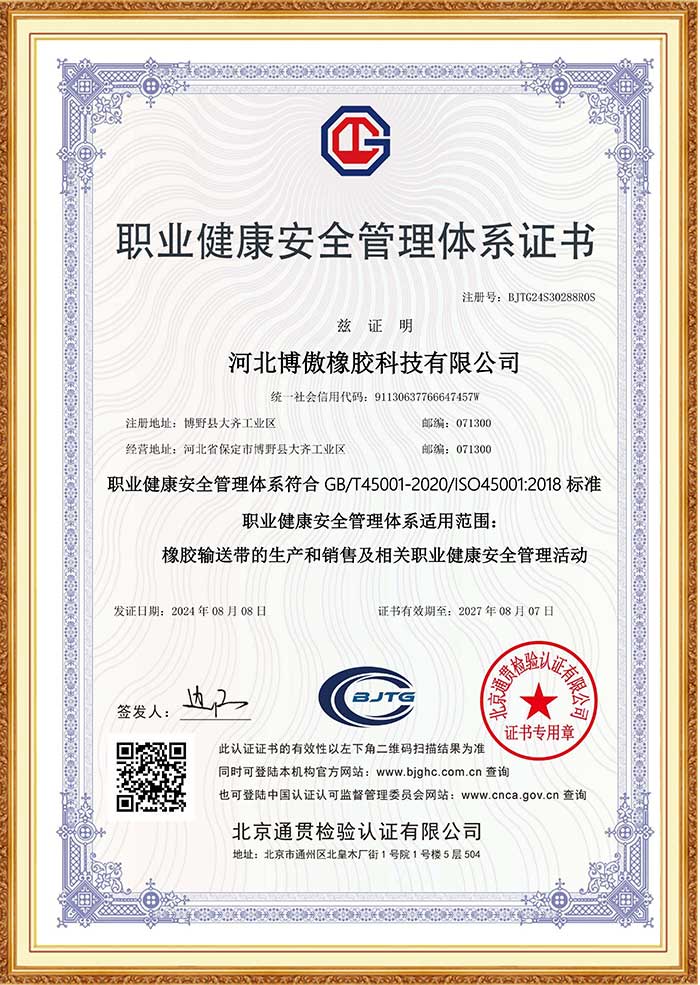
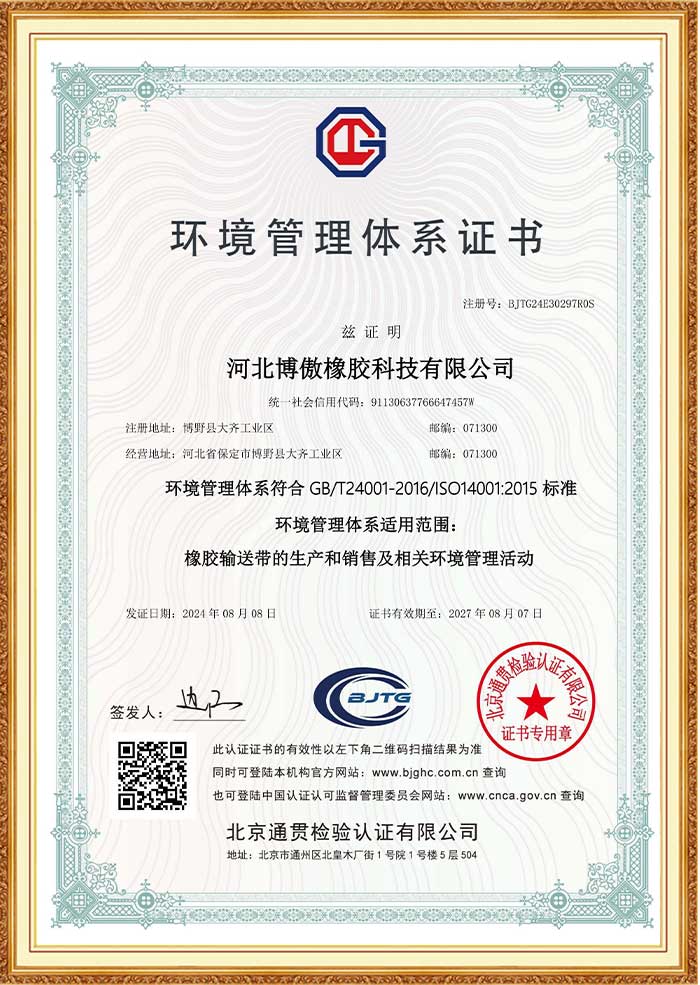
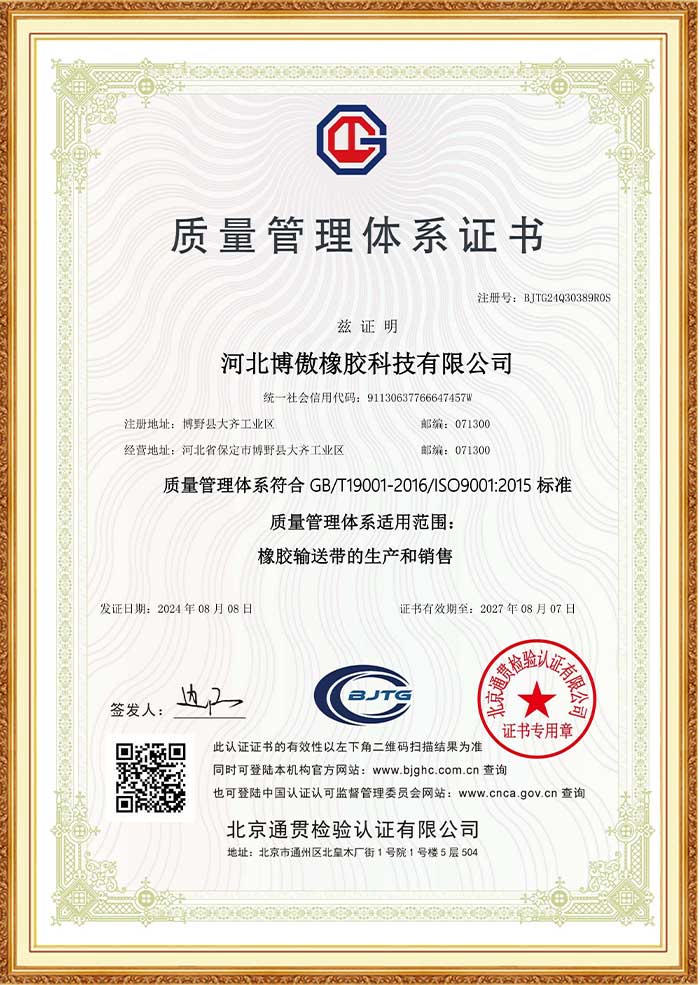
ISO 9001 Certified Quality
50+
Global Trade Partner Countries

3. Localized Applications and Engineering Scenarios

The 4-inch wide rubber belt is utilized across multiple industries, including agriculture, mineral processing, and automated logistics.

In agricultural regions across North America and Europe, 4-inch rubber belts are commonly used in bucket elevator systems to transport corn, wheat, and soybeans. These belts must be food-grade (FDA compliant) or oil-resistant (NBR) to handle vegetable oils without swelling. In Western Australia and South America, the belts are used in mining sample splitters and dry chemical dosing systems. Here, they must resist abrasion and chemicals, especially when handling acidic or alkaline ores.

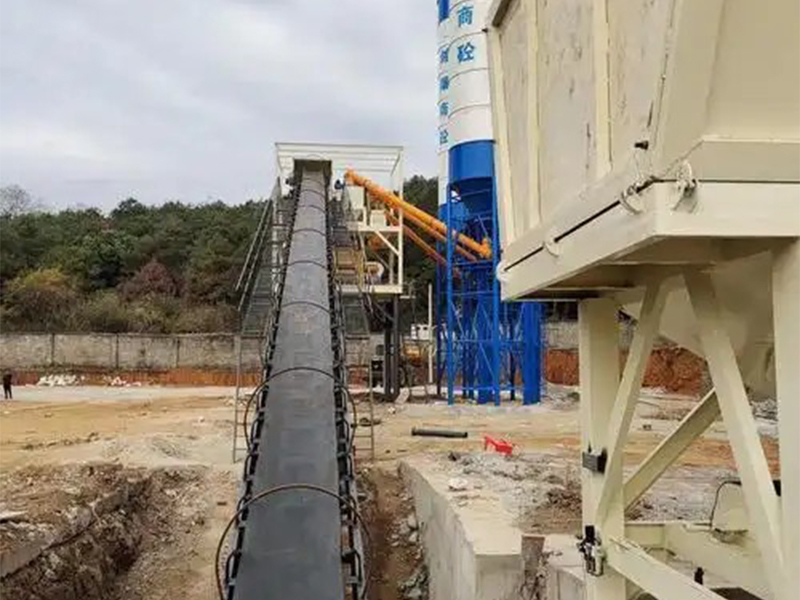
In heavy-duty recycling and concrete mixing plants, 4-inch belts serve as magnetic separator belts or self-cleaning magnet lines. Positioned above primary feed conveyors, they continuously pull scrap steel out of bulk materials. This requires the belt to have tough, cut-resistant rubber covers to handle sharp metal fragments without tearing.
22 Years of Experience
22 Years of Manufacturing and Engineering Excellence

Hebei Boao Rubber Technology Co., Ltd.

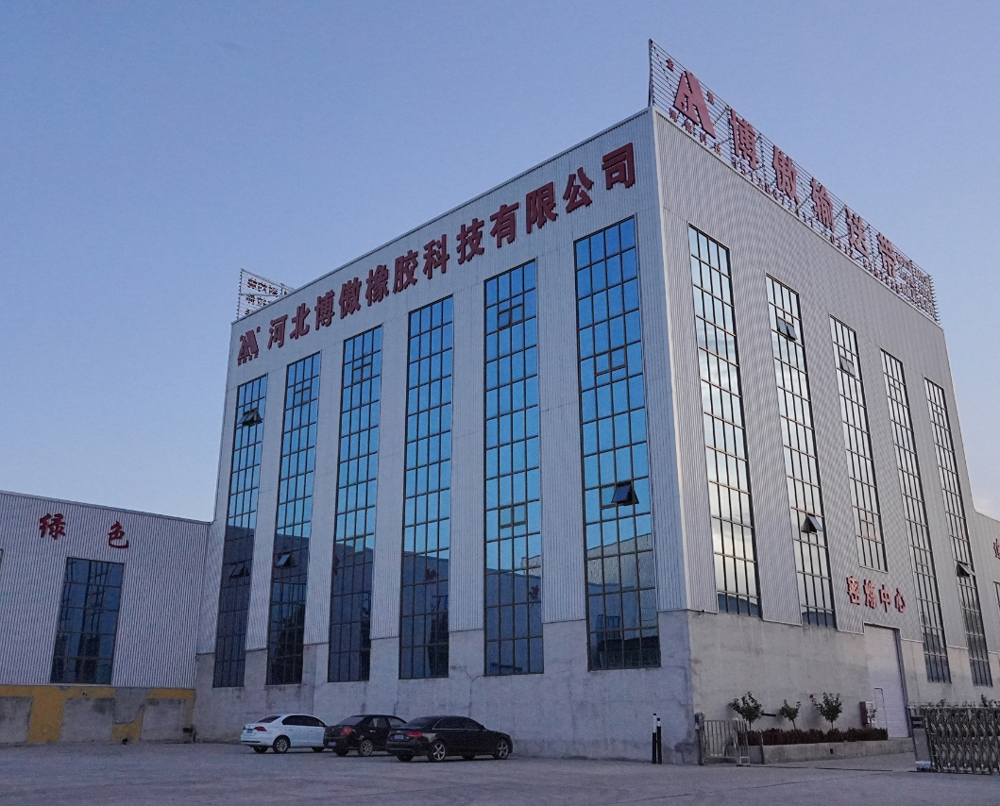
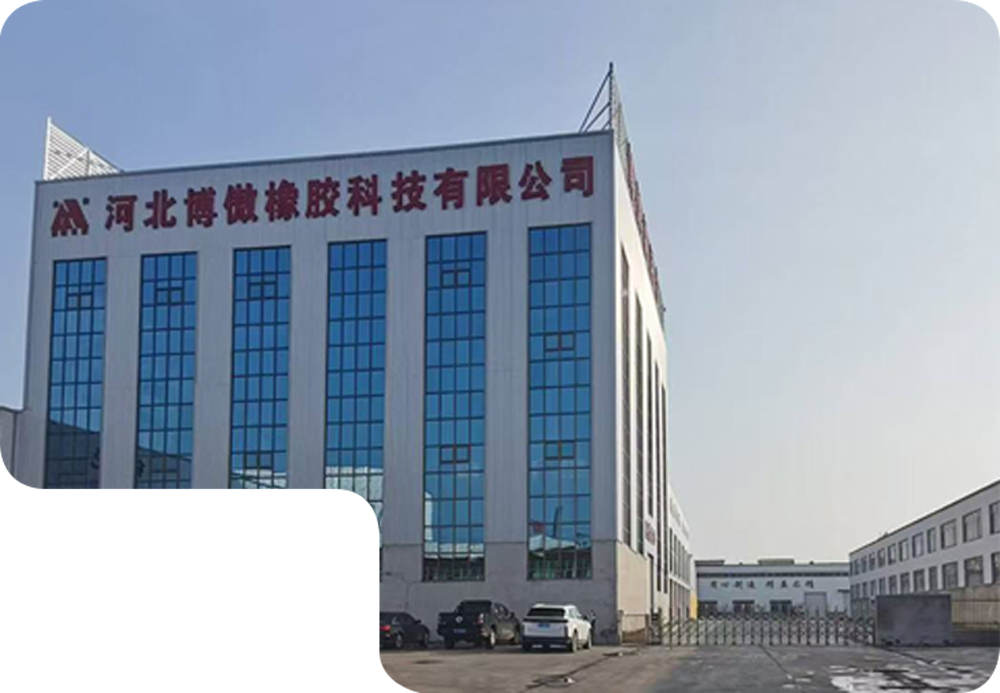
Located in the Rubber Industrial Park of Boye County, Baoding, Hebei Province, our company was founded in 2004 and covers an area of over 30 acres. Producing under our signature "Jinao" brand, we are a professional manufacturer in China integrating product development, research, design, manufacturing, and technical support services for conveyor belts and supporting accessories.

We operate advanced production lines for rolling, forming, vulcanization, and rubber testing. Our facilities manage everything from raw material verification to the final product, ensuring complete quality control at every stage.

Boao Factory Image 1
Boao Factory Image 2
Boao Factory Image 3
Boao Factory Image 4
Boao Factory Image 5

Independent Chemical & Physical Lab

Our on-site physical testing laboratory verifies raw materials before production and inspects finished belts before shipment. This ensures every product meets strict performance standards.

Strict Quality Control (QC)

Our quality assurance process inspects every step of production. We enforce a strict standard: unqualified raw materials are not accepted, and products that do not meet specification are not shipped.

National and Global Reach

Supported by a strong technical team and after-sales support, our products are used nationwide and exported globally. They serve key industries including steel, metallurgy, coal mining, cement plants, power generation, and port logistics.

Our Comprehensive Product Matrix

From custom compounds to conveyor accessories, we manufacture high-performance solutions for diverse industrial needs.

"Jinao" Conveyor Belts

Engineered to handle diverse material types under extreme working conditions.

  • Multi-ply fabric belts (NN, EP, PP)
  • Heat-resistant & High-temperature options
  • Cold-resistant & Oil-resistant designs
  • Acid & Alkali resistant structures
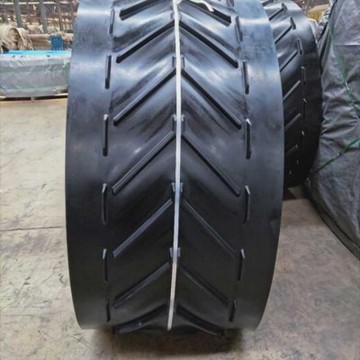
  • Patterned profiles (Herringbone, Cleated)
  • Steel wire rope core conveyor belts
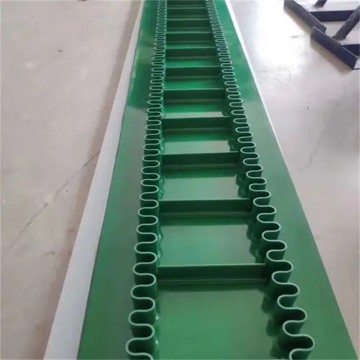
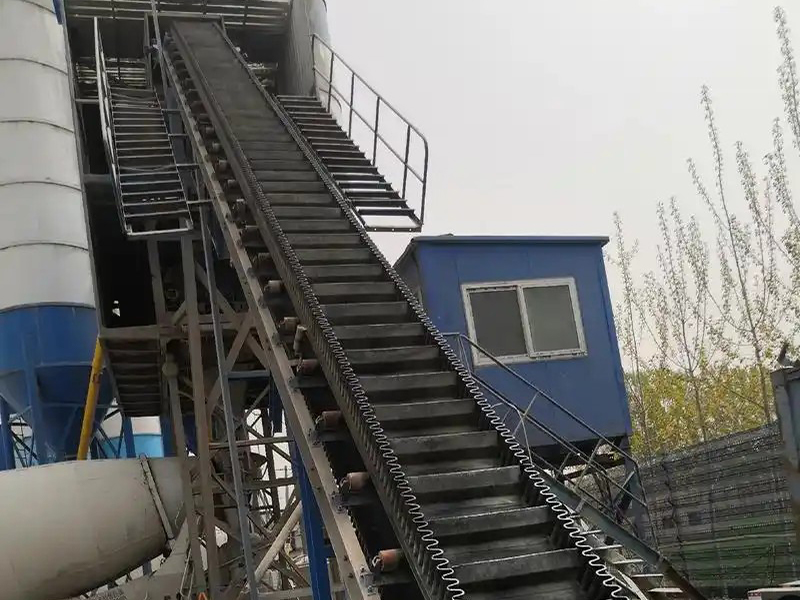
  • High-inclination & Wavy sidewall belts

Conveyor Support Products

Essential hardware and components designed to optimize conveyor system tracking and lifetime.

  • Steel & Ceramic pulley lagging
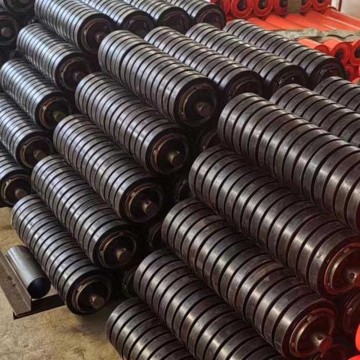
  • Impact, carrying, and return idler rollers
  • Suspended conveyor trough idler systems
  • Self-aligning & centering roller groups
  • Drive pulleys & Motorized pulleys
  • High-strength magnetic separator rollers
  • Brackets, tensioners, and installation hardware

Quality Guarantee

Our commitment to quality ensures reliable operation and reduced downtime for bulk handling facilities.

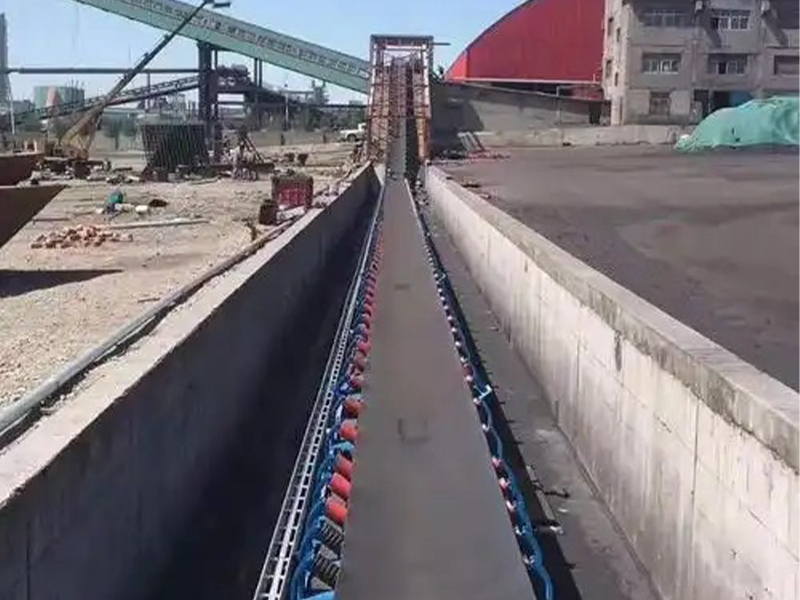
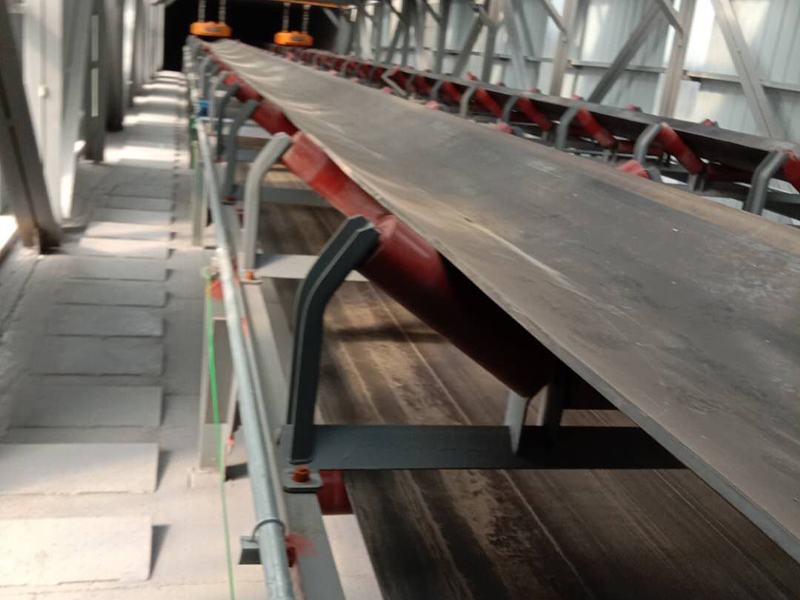
Conveyor belt manufacturing quality inspection

Explore Specific Product Categories

Hover over each product type to view details. Each category is engineered for specific bulk handling environments.

Heat-Resistant Rubber Conveyor Belt

Heat-Resistant Rubber Conveyor Belt

T3 / T4 Compounding
Cold Resistant Rubber Conveyor Belt

Cold Resistant Rubber Conveyor Belt

Resistant Down to -50°C
Acid and Alkali Resistant Conveyor Belt

Acid and Alkali Resistant Conveyor Belt

Chemical Grade Polymers
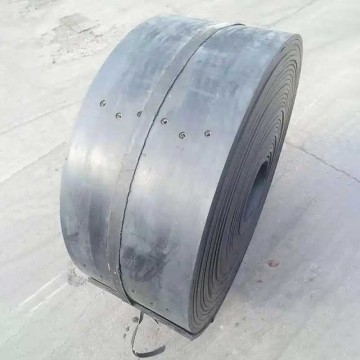
Nylon rubber Conveyor Belt

Nylon Rubber (NN) Conveyor Belt

High Flex Fatigue Resistance
General-Purpose Rubber Conveyor Belt

General-Purpose Rubber Conveyor Belt

SBR / Natural Rubber Blend
PVC-PU Lightweight Conveyor Belt

PVC-PU Lightweight Conveyor Belt

FDA Approved Food Processing
Rubber Lifting Conveyor Belt

Rubber Lifting Conveyor Belt

Vertical Bucket Elevator carcass
Patterned Rubber Conveyor Belt

Patterned Rubber Conveyor Belt

Chevron & Human-Shaped
Anti Tear Steel Wire Rope Conveyor Belt

Anti Tear Steel Wire Rope Conveyor Belt

Steel Core & Transverse Reinforcement
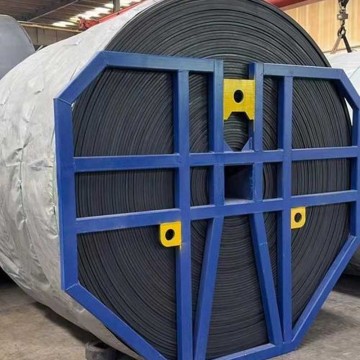
Steel Wire Rope Core Conveyor Belt

Steel Wire Rope Core Conveyor Belt

Ultra-Low Elongation / Long-Haul
Suspended Rollers Of Conveyor Belt

Suspended Rollers of the Conveyor Belt

Heavy Duty Troughing Assembly
Rubber Buffer Idler Roller

Rubber Buffer Idler Roller

Impact Zone Shock Protection

Global Project Cases & Collaborations

Our conveyor belts are proven in major infrastructure projects, mining hubs, and heavy manufacturing plants worldwide.

China Railway Group Mixing Plant

China Railway Group Mixing Plant

High-capacity aggregate batching lines requiring continuous uptime and high abrasion resistance.

Conch Cement

Conch Cement

Heat-resistant belts conveying raw clinker directly from production kilns under high temperatures.

Datong Coal Group

Datong Coal Group

Flame-retardant rubber conveyor belts deployed in underground coal galleries for safe material handling.

Tsingshan Group

Tsingshan Group

Heavy-duty raw ore and nickel slag handling systems requiring wear-resistant rubber compounds.

Jidong Cement Group

Jidong Cement Group

EP fabric conveyor lines carrying heavy limestone and aggregate across long-distance overland conveyors.

Jinmei Group Coal Conveying Line

Jinmei Group Coal Conveying Line

High-tension steel wire rope belts handling bulk coal run-of-mine extraction lines.

Taihang Steel

Taihang Steel

Sinter and scrap handling conveyor systems operating in high-temperature metal manufacturing facilities.

Puyang Steel Group

Puyang Steel Group

Heavy duty scrap transport systems utilizing high-impact nylon carcass rubber belts.

Certified Industrial Quality

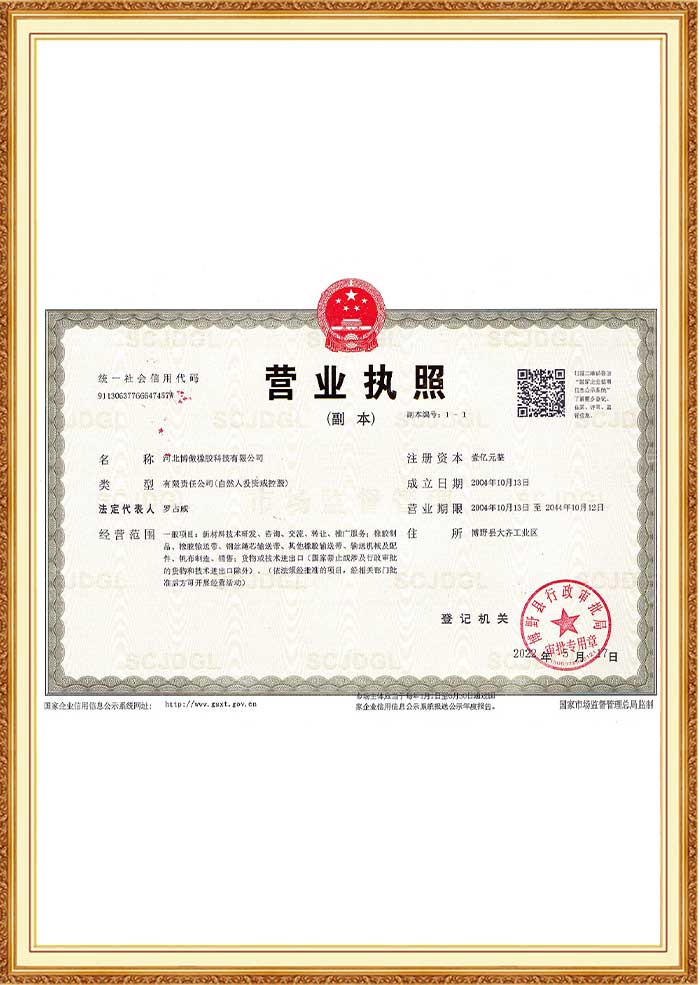
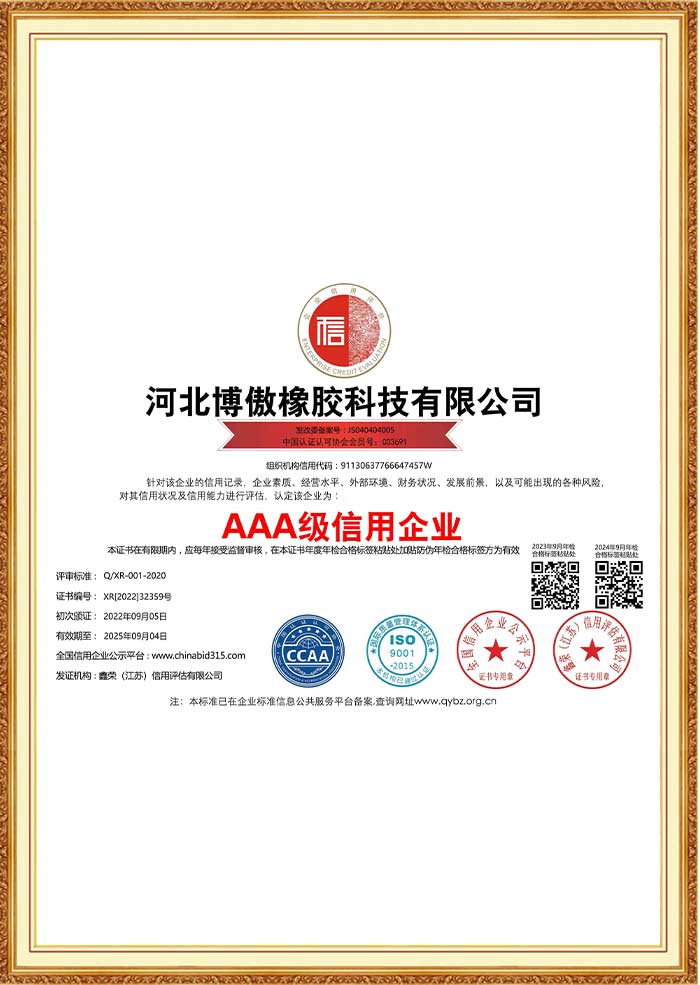
Our factory processes conform to international standards to ensure product safety, quality, and durability.

ISO Certification document 1
ISO Certification document 2
ISO Certification document 3
ISO Certification document 4
ISO Certification document 5

Technical Service & Preventive Maintenance

Operating conveyor systems efficiently requires regular maintenance, proper belt splicing, and routine inspections. Hebei Boao Rubber Technology Co., Ltd. provides support services to help clients minimize downtime and extend the life of their conveyor belts.

Service Overview & Planning

We provide replacement scheduling, repair planning, inspections, and emergency maintenance support. By scheduling maintenance based on wear patterns, operators can prevent unexpected outages and extend belt lifetime.

Operational Scope

Our services cover belt delivery, maintaining inventory levels, vulcanized splicing, cover rubber repair, and tracking adjustments. These services keep conveyor systems running reliably and safely.

4. Global Procurement Considerations: A Buyer's Matrix

When purchasing industrial rubber belts, procurement managers should consider several key factors to balance cost and performance:

  • Carcass Rating (EP/NN): Standard fabric ratings range from EP100 to EP500 per ply. For small-scale applications like a 4-inch belt, a 2-ply or 3-ply EP100/EP150 construction is often sufficient, providing high flexibility and tensile strength.
  • Cover Thickness: Standard cover thicknesses are often designated as 1/8" x 1/16" (top cover x bottom cover) or 3mm x 1.5mm. Demanding aggregate applications may require thicker top covers (up to 6mm) to handle high impact and wear.
  • Compound Standards: Ensure your supplier compounds rubber to match local performance certifications, such as DIN 22102 (European standard), AS 1332 (Australian standard), or RMA Class I/II (American standard).
  • Edge Construction: Molded edges are recommended for wet, corrosive, or high-humidity environments, as they seal the internal fabric plies from moisture. Cut edges are a practical option for dry, indoor packaging and logistics systems.

Technical Q&A: Industrial Rubber Belting

Find answers to common technical, design, and material questions about 4-inch wide rubber belts and conveyor components.

What are the primary rubber compounds used for 4-inch wide belts, and how do they differ?
We use SBR (Styrene-Butadiene Rubber) blended with Natural Rubber (NR) for high resistance to cuts and abrasion. For specialized environments, we use EPDM for high-temperature resistance, Nitrile (NBR) for oil and grease resistance, and Chloroprene/Neoprene for flame-retardant mining applications.
Why is EP fabric preferred over NN fabric for long-distance conveyors?
EP (Polyester-Nylon) fabric has lower structural stretch (low elongation) than NN (Nylon-Nylon) fabric. This keeps the belt stable under tension over long distances and reduces the take-up travel distance required, minimizing maintenance adjustments.
What is the difference between molded edge and cut edge conveyor belts?
Molded edges are formed during the vulcanization process, sealing the internal fabric plies to protect them from moisture and chemical attack. Cut edges are cut from wider vulcanized sheets. They are cost-effective but are best suited for dry, non-corrosive environments.
How does pulley diameter affect belt selection for 4-inch rubber belts?
Smaller pulley diameters place more flex stress on the belt. Using highly flexible NN fabric or a 2-ply EP construction prevents delamination and cover cracking around tight bends. Our technical team can help calculate the minimum pulley diameter based on your belt specs.
What standard quality certifications do your conveyor belts meet?
Our manufacturing processes are certified to ISO 9001:2015. We compound our rubber to meet international standards, including DIN 22102, AS 1332, RMA, and SANS 1173, depending on client requirements.
How can we prevent tracking issues on narrow conveyor systems?
Tracking issues on narrow systems are often caused by uneven belt tension or misaligned rollers. Utilizing self-aligning idlers, keeping pulleys clean, and sourcing belts with uniform thickness helps ensure straight tracking.
Can a 4-inch wide rubber belt be spliced using mechanical fasteners?
Yes, mechanical fasteners (like plate or hook fasteners) are suitable for quick installation or temporary repairs. However, for permanent installations, hot vulcanized splicing is recommended to ensure a smooth joint and prevent debris from catching.

Technical Belting & Core Hardware Catalog

Review additional technical conveyor belts and supporting accessories manufactured to meet industrial standards.

China Steel Wire Rope Conveyor Belt Suppliers

China Anti Tear Steel Wire Rope Core Conveyor Belt - High-Quality Suppliers and Factory Solutions

View Details
China Rubber Conveyor Belt Suppliers

China General-Purpose Rubber Conveyor Belt Suppliers - High-Quality Solutions from Our Factory

View Details
China Heat Resistant Rubber Conveyor Belt Suppliers

China Heat-Resistant Rubber Conveyor Belt Suppliers in China | Durable Factory-Direct Solutions

View Details
China PVC-PU Lightweight Conveyor Belt Solutions

China PVC-PU Lightweight Conveyor Belt - Durable Solutions from China Suppliers and Factory

View Details
China Acid Alkali Resistant Conveyor Belt Manufacturers

China Acid and Alkali Resistant Conveyor Belt Manufacturers, Factory Solutions

View Details
China Lightweight PVC-PU Conveyor Belts Suppliers

China Lightweight PVC-PU Conveyor Belts from China Suppliers - High-Quality Factory Options

View Details
Best Acid Alkali Resistant Conveyor Belt China Suppliers

Best Acid and Alkali Resistant Conveyor Belt from China Suppliers - Durable Factory Solutions

View Details
Best Flame Retardant Rubber Conveyor Belt From China

Best Flame Retardant Rubber Conveyor Belt from China Suppliers - High-Quality Manufactured Solutions

View Details

Request Technical Specifications & Pricing

We offer custom compounding, structural design, and splicing support. Contact our technical sales team for recommendations, custom pricing, and ordering details.

Jinao Technical Support Line

Our engineers assist with conveyor layouts, tension calculations, and material compatibility choices.