Explore our industrial grade conveyor components, engineered to meet rigorous international standards for heavy-duty material transport.
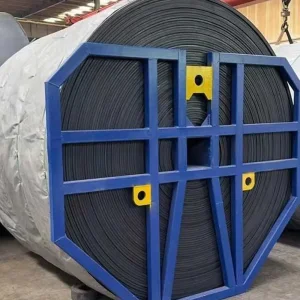
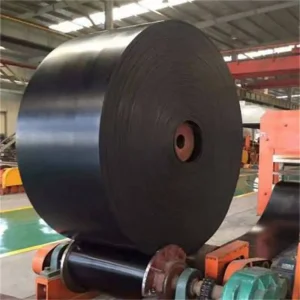
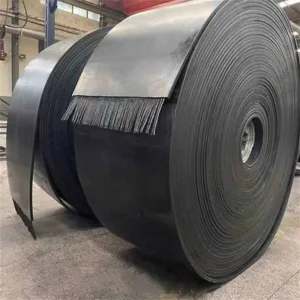
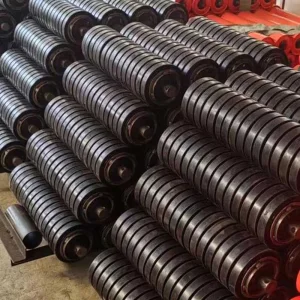
Why Tier-1 industrial buyers rely on our advanced material processing, state-of-the-art physics labs, and robust quality assurances.
Equipped with an independent chemical analysis laboratory and a dedicated physics testing room, we monitor every step from carcass raw materials to final vulcanized sheets. No subpar materials enter; no substandard products leave.
Our team of dedicated quality engineers uses cutting-edge diagnostic equipment to measure abrasion resistance, tensile strength, ply adhesion, and shore hardness, guaranteeing the physical integrity of every batch.
Supported by a comprehensive service network, our heavy-duty belt products and repurposed rubber solutions are distributed worldwide, catering directly to steel plants, coal mines, cement factories, fertilizer facilities, and maritime ports.
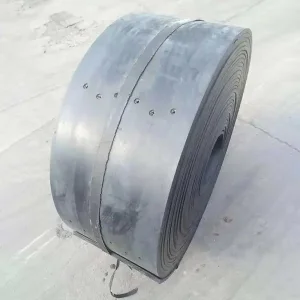
Across modern heavy industries, sustainability is no longer merely a regulatory requirement; it is a critical driver of economic value and operational efficiency. The market for second-hand conveyor belt rubber has evolved from localized recycling projects into a highly structured, global business ecosystem. Industrial operators in mining, aggregate handling, bulk material transport, and maritime shipping generate millions of tons of used conveyor belts annually. When a conveyor belt reaches the end of its operational lifecycle in a primary application, such as high-tension underground coal mining, its structural core and rubber covers often remain highly resilient. This has created a massive demand for reclaimed, repurposed, and second-hand rubber sheets.
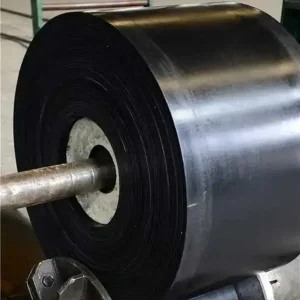
Conveyor belts are built to withstand extreme environmental challenges. Manufacturers formulate the rubber covers using high-grade polymers such as SBR (Styrene-Butadiene Rubber), Natural Rubber, and NBR (Nitrile-Butadiene Rubber) to resist high impacts, sharp abrasions, intense heat, and chemical exposure. Beneath the rubber covers lies a strong core of textile plies (such as EP polyester-nylon fabric or NN polyamide fabric) or high-tensile steel wire ropes. Even after years of service, the structural fabric or steel core of a retired belt often retains up to 70% of its original tensile strength, making it an excellent resource for secondary applications where premium-grade raw rubber would be prohibitively expensive.
To successfully purchase second-hand conveyor belt rubber, you must understand its technical design. In industrial environments, rubber sheets are graded based on their internal reinforcement (carcass) and the thickness of their top and bottom rubber covers. Buyers looking for 2nd hand conveyor belts should evaluate these main specifications:
| Carcass Type | Reinforcement Core | Primary Property | Typical Secondary Application |
|---|---|---|---|
| EP (Polyester-Nylon) | Synthetic Fabric Layers | Low Elongation, High Rot-Resistance | Agricultural Cow Mats, Chute Liners, Skirtboards |
| NN (Nylon-Nylon) | Polyamide Fabric Layers | High Flex-Life, Shock Absorption | Friction Strips, Snow Plow Deflectors, Machinery Pads |
| Steel Cord (ST) | Galvanized Steel Wire Ropes | Extreme Tensile Strength, High Mass | Blast Mats, Heavy Quarry Liners, Slipways |
| Solid Woven (PVC/PVG) | Interwoven Fabric Matrix | Fire Resistant, Monolithic Body | Underground Safety Barriers, Floor Covers |
China is home to the world's most robust industrial rubber manufacturing clusters, particularly in Boye County, Baoding, Hebei Province. This industrial area has built a highly efficient supply chain that integrates raw material sourcing, advanced processing machinery, and strict quality control. The efficiency of a dedicated Chinese factory, such as Hebei Boao Rubber Technology Co., Ltd. (brand "Jinao"), offers several clear advantages for global buyers:
1. Scale and Integrated Processing: Boao covers over 30 acres and operates advanced rolling, forming, and vulcanization lines. This large scale enables us to process, sort, slit, and package vast quantities of high-performance conveyor belts and repurposed rubber sheets quickly, keeping lead times short and pricing competitive.
2. Advanced Laboratory Testing: The company features an independent chemical analysis laboratory and physical testing facility. When dealing with recycled or second-hand rubber, testing is crucial. Our technicians verify the remaining tensile strength, abrasion resistance, and safety properties of the rubber to ensure it meets international quality standards. This process ensures that buyers receive reliable products that perform consistently in the field.
Because second-hand conveyor belt rubber is durable and cost-effective, it is widely used across various industries worldwide. The most common applications include:
In dairy and livestock farming, comfort and safety directly affect animal health and productivity. Repurposed conveyor belts make excellent stall liners, feeding alley runners, and horse arena flooring. The rubber provides a slip-resistant, cushioned surface that reduces joint stress on cattle, is easy to clean, and resists degradation from animal waste and cleaning chemicals.
Quarry operators and aggregate processors use second-hand rubber sheets to line heavy-duty machinery. Using repurposed belts to line discharge chutes, hopper walls, and aggregate bins protects expensive metal surfaces from severe impact and wear. This significantly extends the service life of processing plants and lowers maintenance costs.
Maritime ports and boat dock facilities need heavy-duty protective bumpers to cushion vessels during docking. Steel-reinforced second-hand conveyor rubber strips work perfectly as dock fenders, boat trailer rollers, and slipway liners, providing excellent resistance to saltwater corrosion, UV light, and heavy friction.
In demolition and heavy excavation zones, high-tensile steel cord conveyor rubber sheets are used to construct blast mats. These heavy mats contain flying debris during controlled blasting. Reclaimed rubber is also used for road work barriers, machinery isolation pads, and noise dampening panels in busy urban construction zones.
Procuring large quantities of industrial rubber from overseas factories requires careful planning. B2B buyers should follow these steps to ensure a smooth purchasing process:
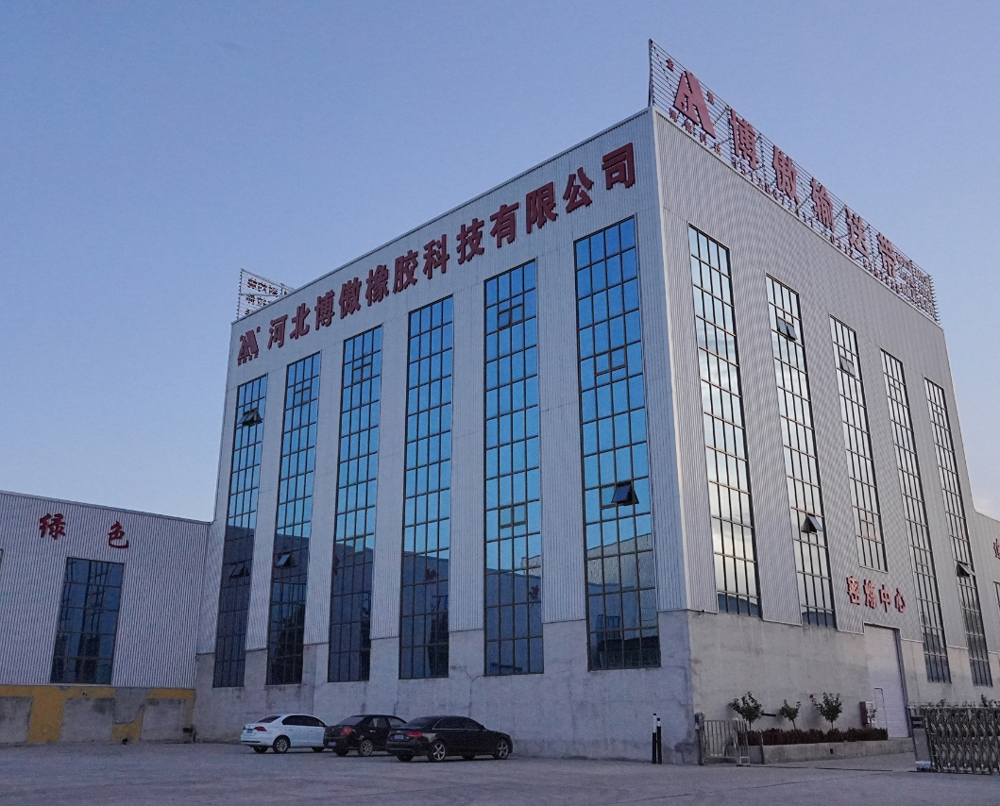
Located in the Boye County Rubber Industrial Park, Baoding, Hebei, our facility was established in 2004 and covers an area of over 30 acres. We specialize in the research, design, production, and distribution of high-performance conveyor belts and industrial rubber accessories under our signature brand "Jinao".
Our factory features multiple advanced processing lines for rolling, forming, and vulcanizing, as well as an independent chemical analysis lab and a dedicated physics laboratory. This allows us to strictly monitor our supply chain, ensuring that only high-quality products are shipped to our customers worldwide.
We serve a wide variety of heavy industries, providing durable solutions for steel mills, metallurgy plants, coal mines, cement factories, power plants, fertilizer operations, grain silos, and shipping ports.
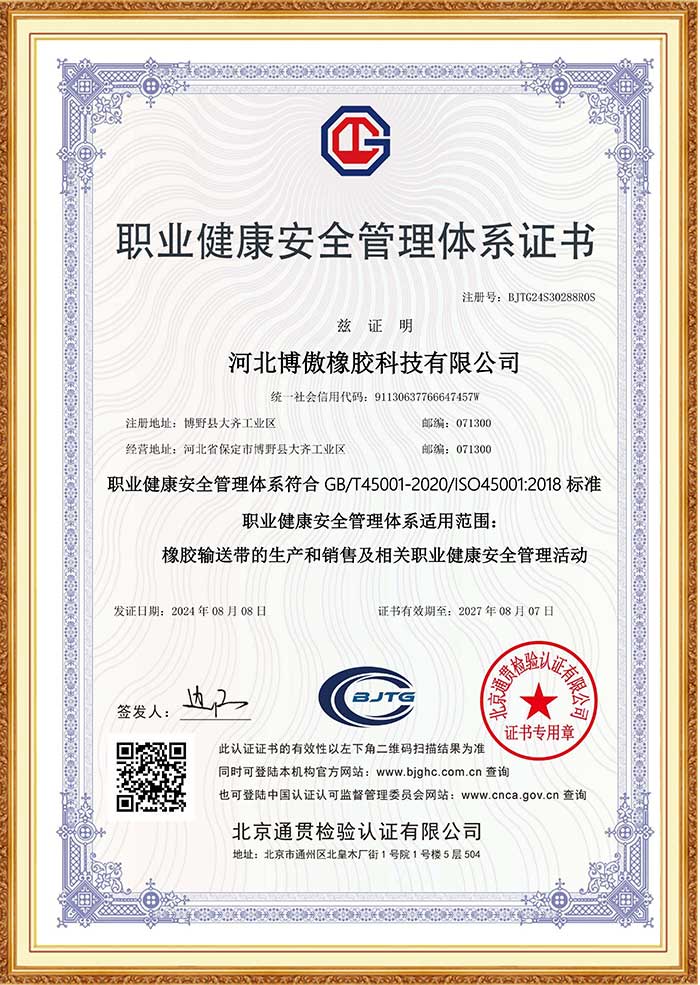
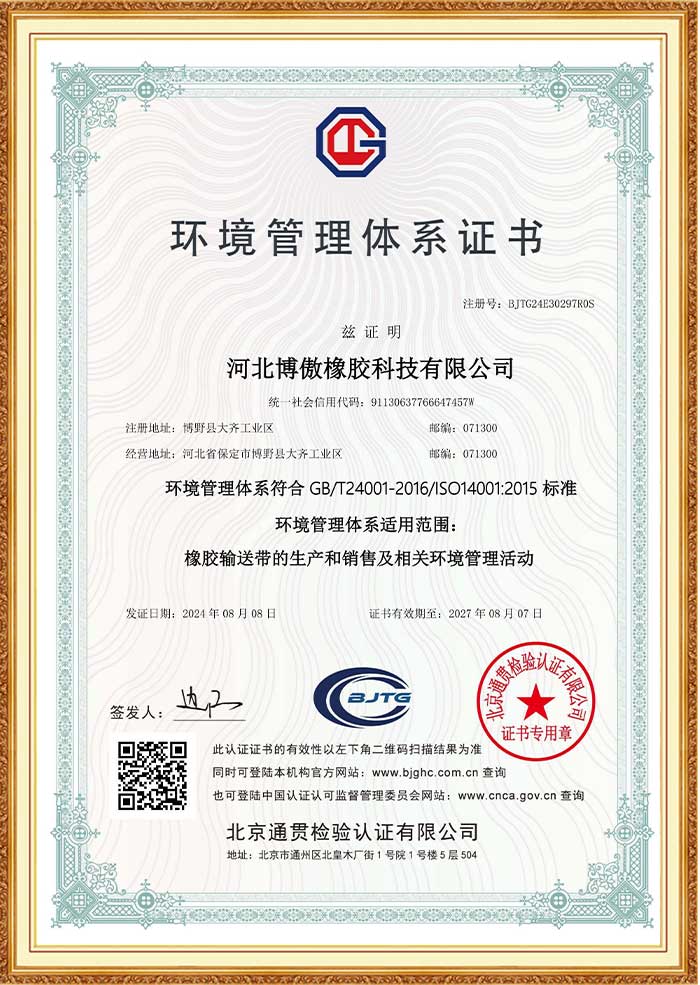
Our commitment to excellence is backed by international certifications and robust technical support services.
We provide supply guarantees, safety stock management, planned vulcanization bonding, rubber surface maintenance, custom slitting, and emergency repair options to help keep your operations running smoothly.
Our target is to optimize the operational life of your conveyor belts, reduce material wear, and deliver high performance to help lower your long-term operating costs.
Our engineering team designs custom service plans to extend the lifespan of your conveyor belts, helping you minimize downtime and get the most out of your equipment.
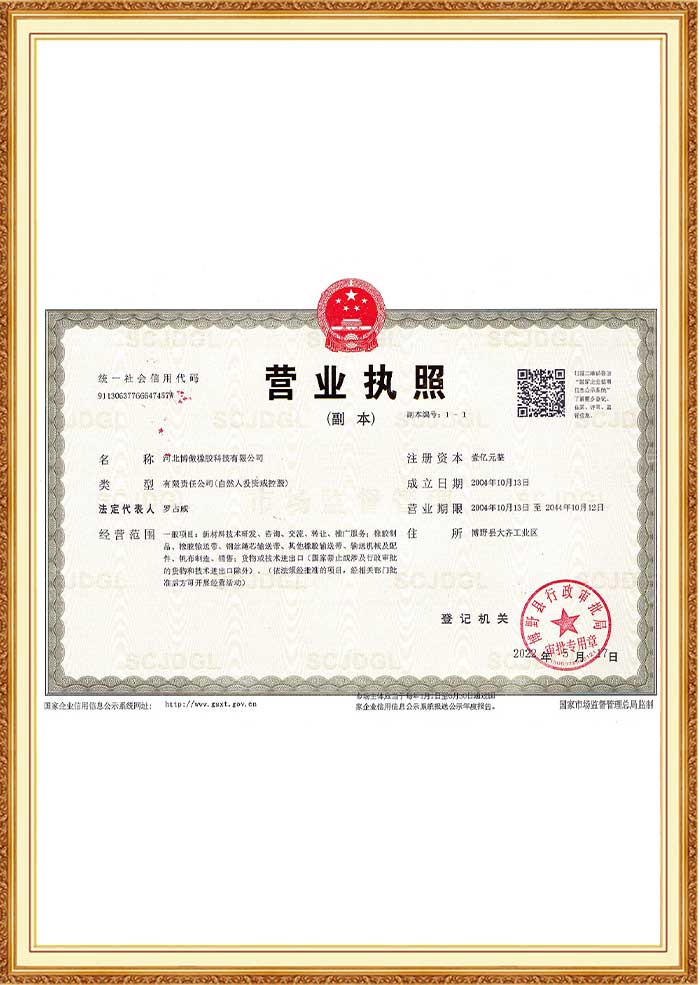
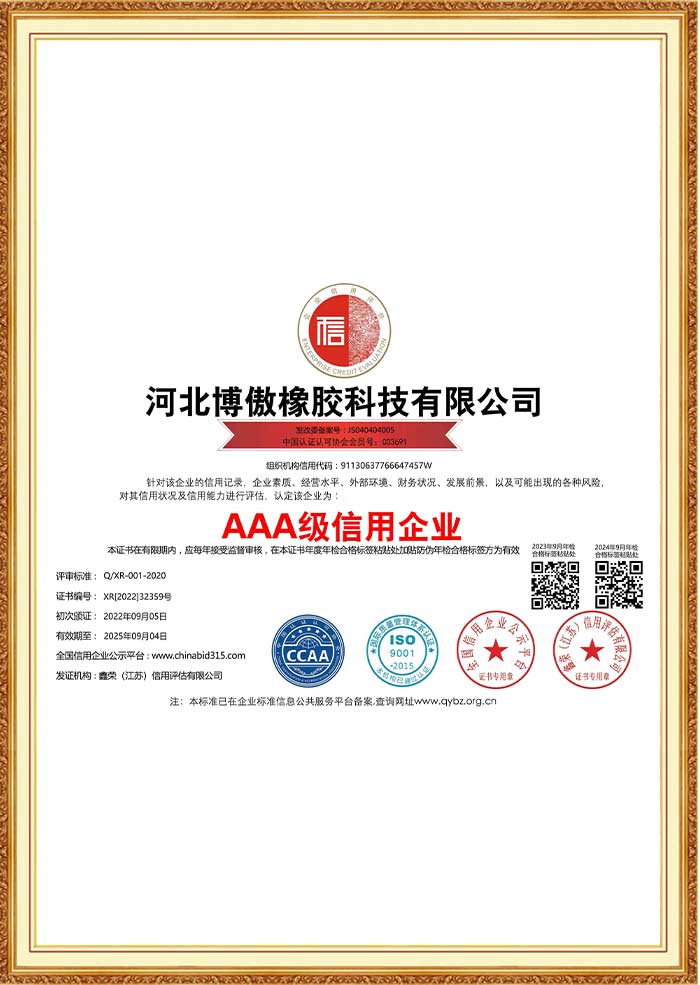
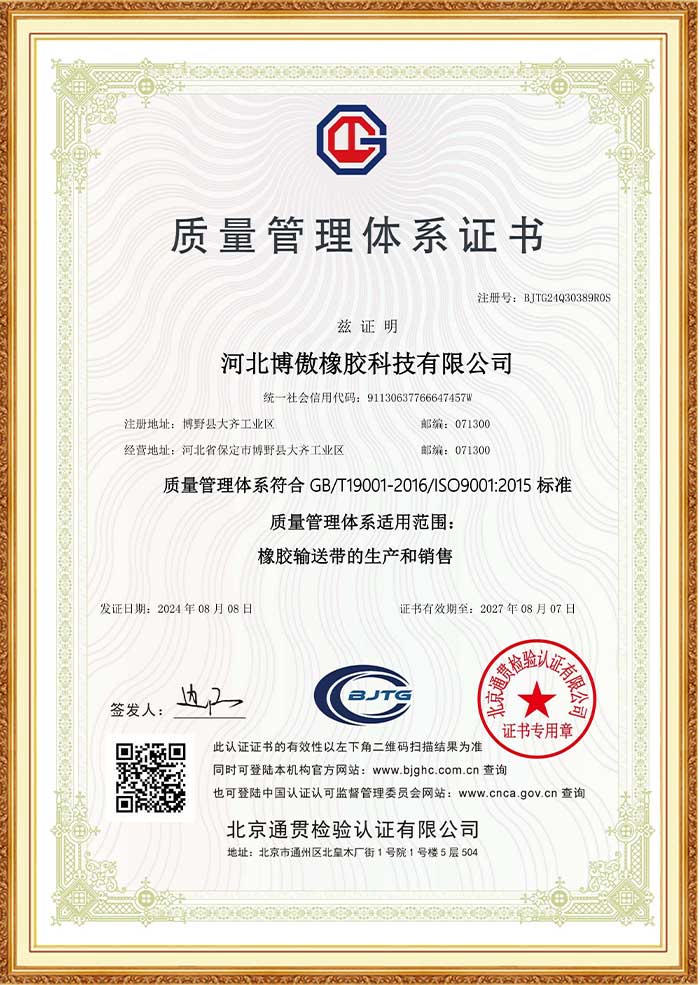
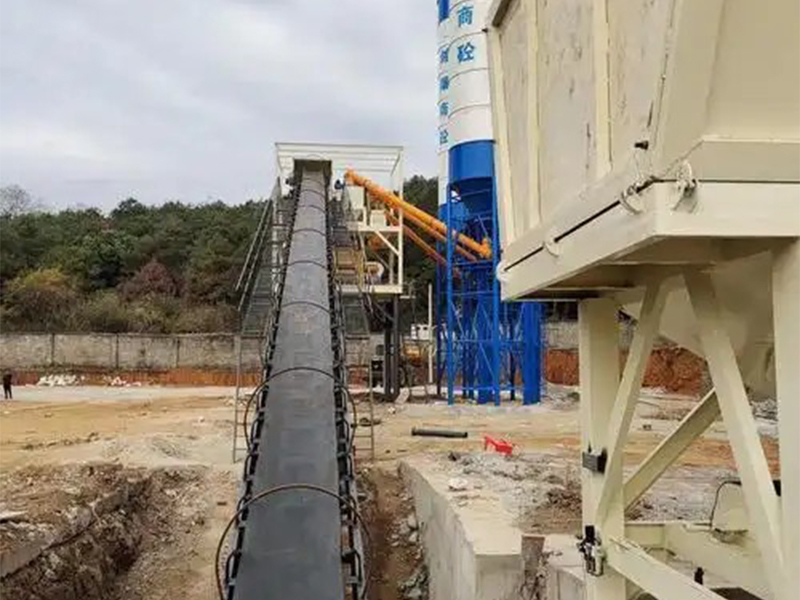
Our products are trusted by some of the largest mining, steel, and cement companies to handle their bulk materials under harsh conditions.
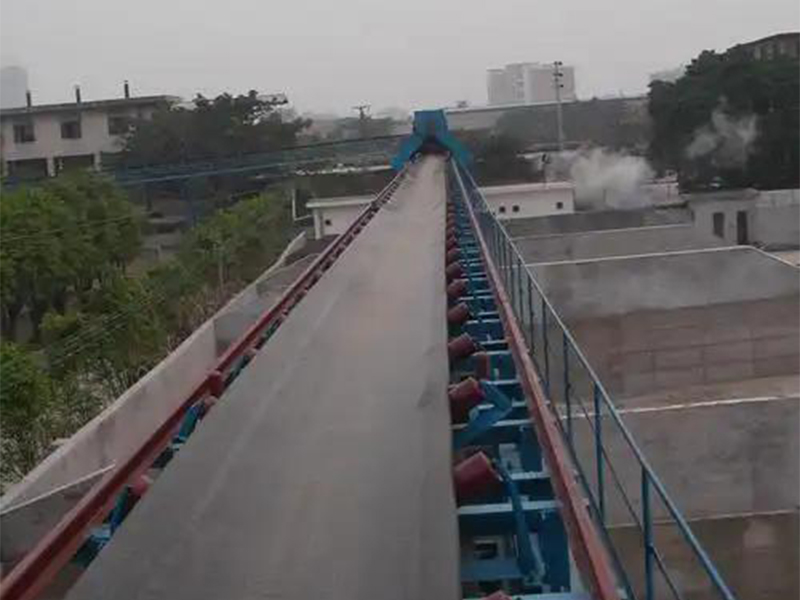
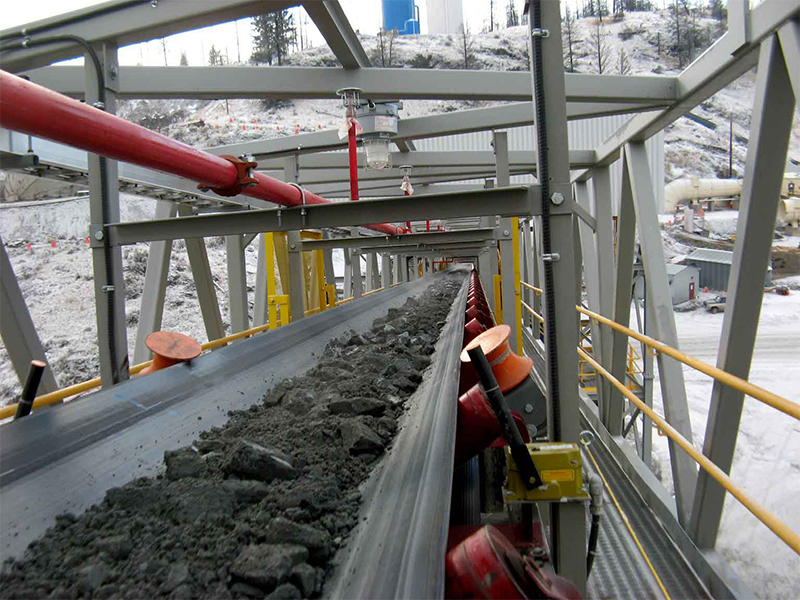
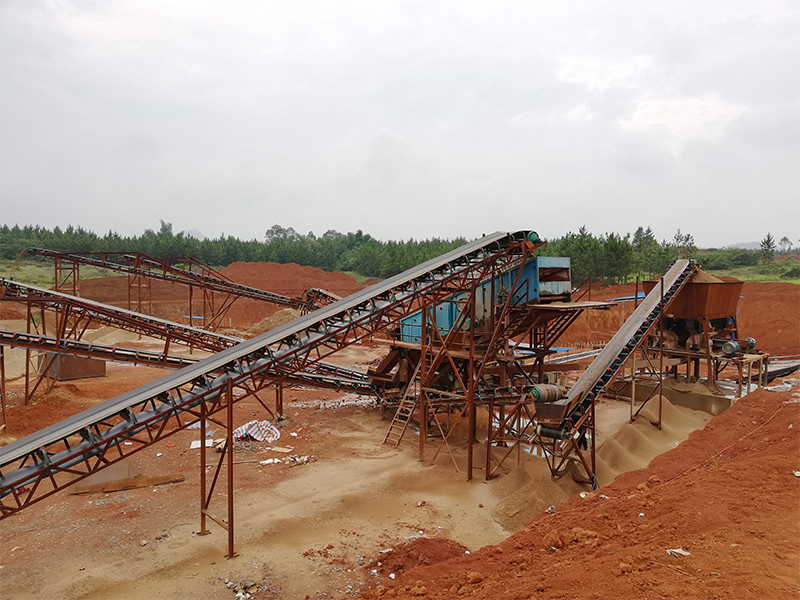
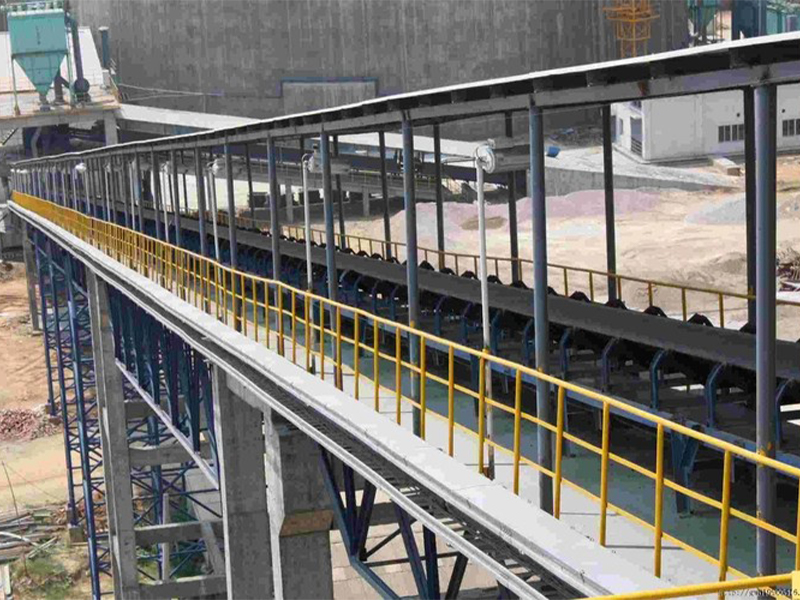
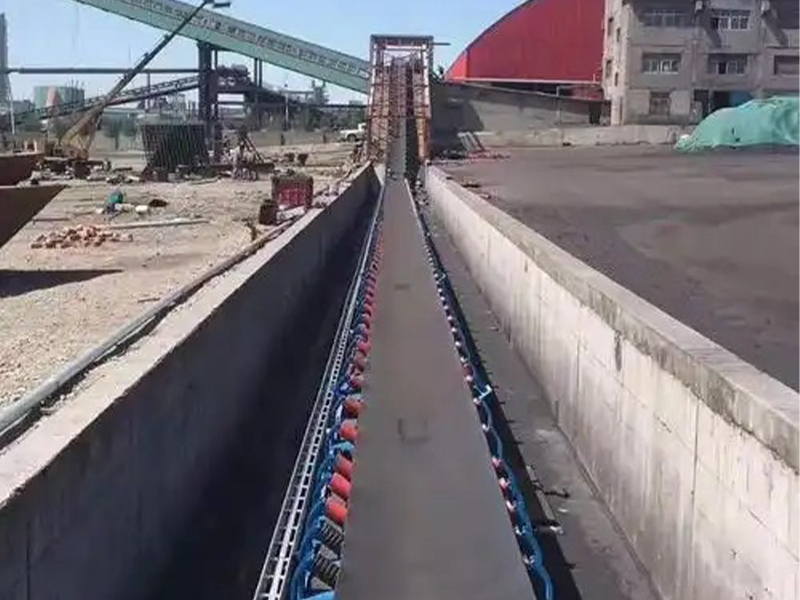
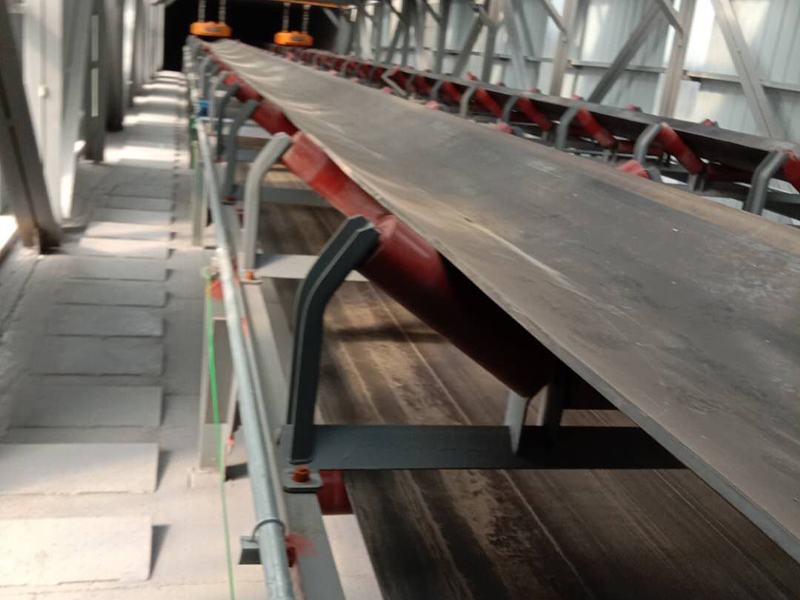
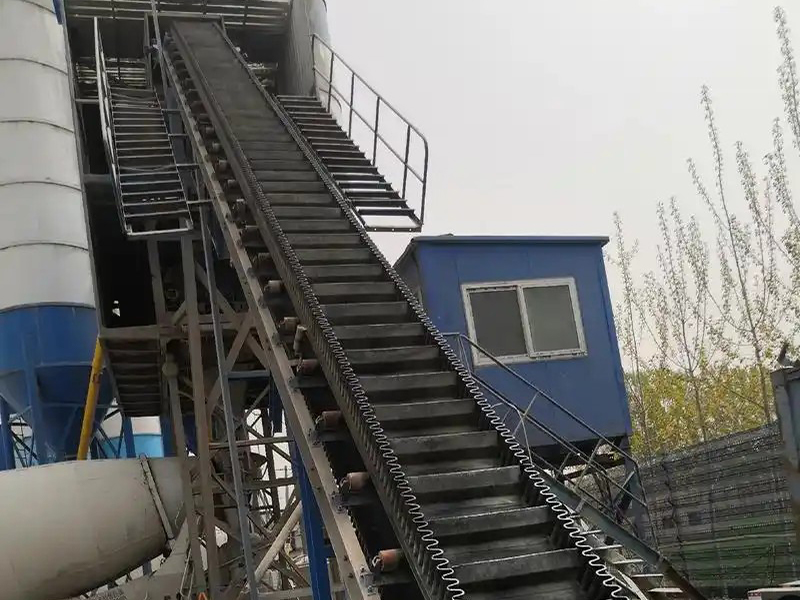
Get answers to common questions about selecting, grading, and shipping second-hand conveyor belt rubber.
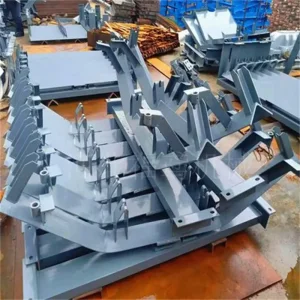
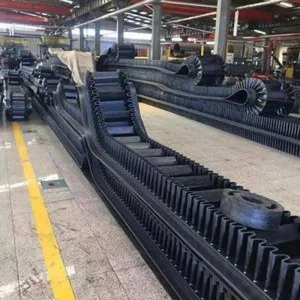
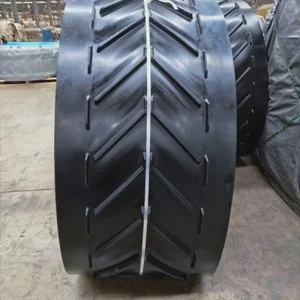
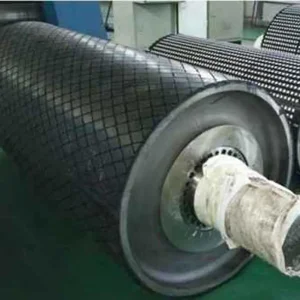
We supply a wide range of conveyor rollers, brackets, and specialty belts to support your material handling equipment.
 Boao Rubber