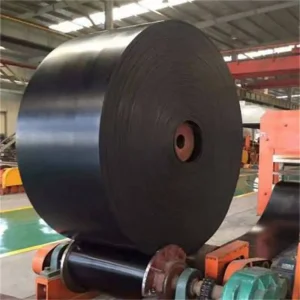
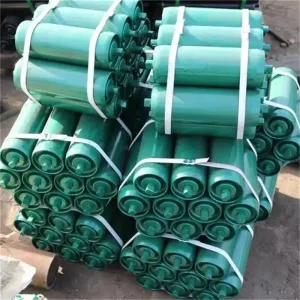
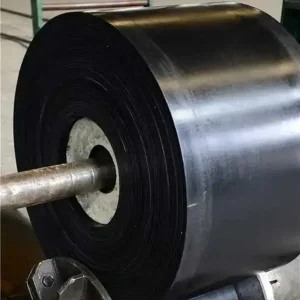
Discover our highly reinforced rubber belt designs engineered to handle Bulgaria's demanding industrial operations.
Deploying over two decades of material science to engineer conveyor solutions for Europe's key industrial corridors.
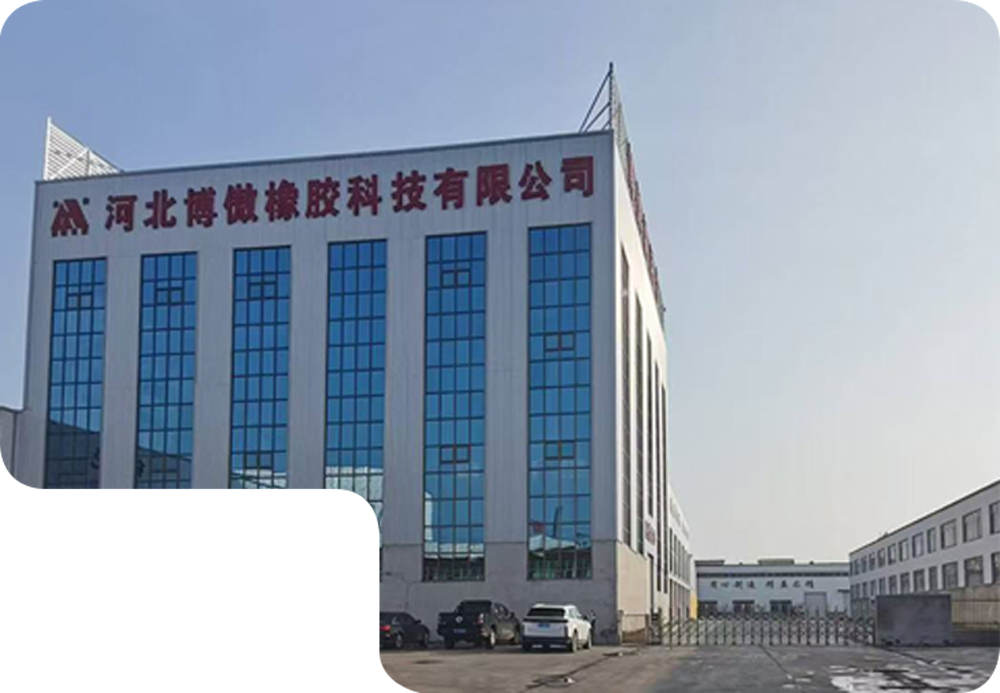
Established in 2004, Hebei Boao Rubber Technology Co., Ltd. spans an expansive manufacturing base of over 30 acres in Boye County, Baoding, China. Anchored by our certified brand, "Jinao," we are a premier developer and direct manufacturer of heavy-duty conveyor belts and structural idlers, managing the entire lifecycle from polymer synthesis to finished product validation.
We operate advanced high-capacity production lines for calenders, forming machines, continuous vulcanization presses, and automated testing rigs. Our internal quality assurance protocol is built upon an independent chemical analysis lab and a modern physics testing facility, ensuring that no raw materials enter and no finished products leave unless they strictly meet international standards.
By blending our massive production scale with targeted logistics, we offer Bulgarian industrial operators cost-optimized, highly reliable solutions that match the precise environmental and mechanics requirements of local industrial sites.


Analyzing regional challenges across mining, metallurgy, power generation, and port logistics to match specific conveyor requirements.
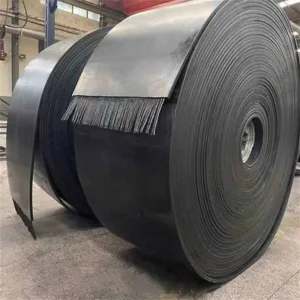
Bulgaria’s energy independence depends largely on the open-cast lignite mining complex of Maritsa Iztok. Transporting raw lignite, characterized by high clay content and moisture, presents major conveyor challenges. Standard belts frequently experience tracking failures, heavy edge wear from rollers, and spillage along the high-tonnage runs. Our heavy-duty edge-reinforced rubber conveyor belts feature specialized outer compounds and reinforced edges that resist structural abrasion, ensuring stable, high-capacity material transit without premature edge tearing.
Extracting copper-bearing ore at major sites like Ellatzite-Med or Chelopech involves handling highly abrasive rocks that cause rapid surface wear and impact damage. Additionally, processing operations like the Aurubis Smelter in Pirdop require handling hot material and acidic/alkaline inputs. For these conditions, Boao supplies high-performance, multi-ply nylon (NN) and polyester (EP) belts equipped with wear-resistant covers (conforming to DIN W and DIN X standards) and acid-alkali resistant compounds, protecting the belt carcass from degradation.
As main export routes for agricultural grain (wheat, sunflower seed, corn) and industrial bulk cargo, the Ports of Varna and Burgas require clean, efficient, and fire-safe logistics. Standard conveyor belts are vulnerable to oil absorption from seeds, causing rubber swelling and structural failure. We supply customized anti-static, oil-resistant rubber belts and lightweight PVC-PU conveyor systems that prevent grease absorption, reduce maintenance, and ensure compliance with strict European grain handling standards.
Large cement plants require conveying hot clinker, limestone, and cement mixes. Standard belts degrade quickly under high thermal loads, leading to cover cracking and carcass separation. Our Jinao-branded heat-resistant conveyor belts, utilizing advanced EPDM polymers, maintain flexibility and structural integrity at operating temperatures up to 200°C (with peak tolerances up to 250°C), preventing catastrophic failures in critical cement production stages.
High-performance engineering data compiled for engineering procurement officers in Bulgaria.
| Belt Type & Classification | Carcass Material Options | Max Tensile Strength (N/mm) | Abrasion Resistance (DIN 53516) | Thermal Range Limit (°C) | Key Bulgarian Industry Target |
|---|---|---|---|---|---|
| Edge-Reinforced Rubber Belt | EP (Polyester) / NN (Nylon) | 500 - 3150 N/mm | ≤ 90 mm³ (Super Wear-Resistant) | -30°C to +80°C | Ellatzite Copper Mines, Aggregate Quarries |
| Steel Wire Rope Core Belt | ST630 to ST5400 Steel Cords | 630 - 5400 N/mm | ≤ 120 mm³ | -40°C to +90°C | Maritsa Iztok Lignite Basin (Overburden) |
| Heat-Resistant EPDM Belt | EP (Polyester) | 600 - 2400 N/mm | ≤ 150 mm³ | Constant 180°C / Peak 250°C | Devnya Cement Mills, Hot Clinker Transport |
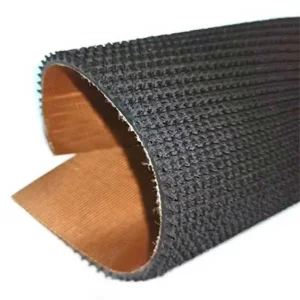
| Patterned / Chevron Conveyor Belt | EP / Cotton Blend | 315 - 1250 N/mm | ≤ 140 mm³ | -25°C to +70°C | Varna & Burgas Agricultural Grain Hubs |
| Lightweight Food-Grade PVC-PU | Interwoven Polyester Base | 80 - 400 N/mm | N/A (Food Safe Compound) | -10°C to +90°C | Plovdiv & Stara Zagora Food Plants |
| Acid and Alkali Resistant Belt | EP Carcass (Acid Proof Treated) | 400 - 2000 N/mm | ≤ 130 mm³ | -20°C to +80°C | Pirdop Metallurgical & Chemical Complex |
Every batch of raw rubber, synthetic polymer, tensile cord, and vulcanization accelerator is thoroughly tested in our in-house lab. We verify abrasion values, tensile limits, and chemical resistance prior to production.
Using advanced inline thickness gauges, automated laser scanners, and physical test rigs, our quality inspectors monitor every step of the process to ensure consistent quality across all production runs.
Supported by a comprehensive supply chain and logistics partners, we ship directly from our production base to destinations across Bulgaria, providing reliable support and fast response times.
How Boao Rubber addresses complex conveying layouts, steep climbs, and dust mitigation in Bulgarian industrial facilities.
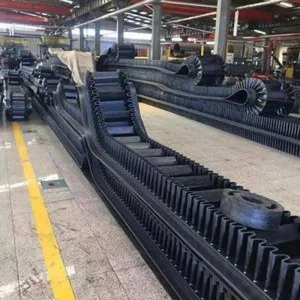
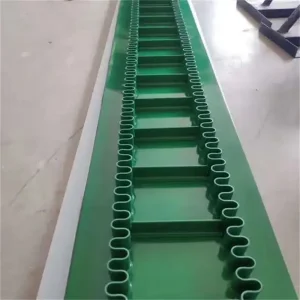
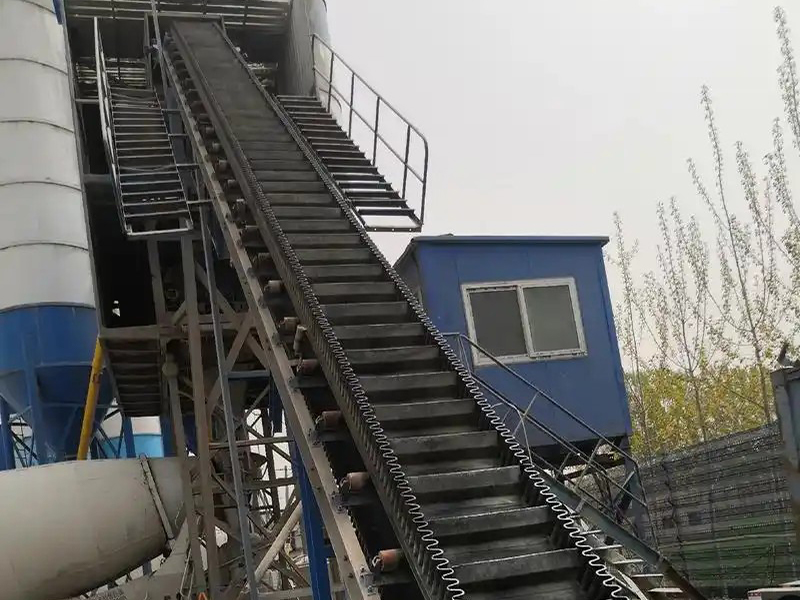
Many Bulgarian processing plants, urban grain silos, and mineral mills operate in tight spaces that prevent standard flat belt conveying. Our corrugated sidewall (wavy edge) and high-inclination patterned belts enable vertical conveying at angles from 30° up to 90°, reducing the footprint of the plant and lowering infrastructure costs.
In heavy-duty applications, misalignment often leads to conveyor belt edge wear, damaging the internal carcass fabric and causing premature belt failure. Our edge-reinforced belts feature thickened, molded-in rubber margins that prevent fabric exposure and moisture ingress, increasing operational life by up to 40% under harsh conditions.
For chemical manufacturing sites and fertilizer processing plants across Northern Bulgaria, chemical exposure can degrade standard rubber compounds quickly. Our chemical-resistant belts are formulated using specialized synthetic polymers, ensuring long-term resilience against acid, alkali, and oil exposure.
Ensuring operational continuity and minimized downtime through comprehensive maintenance and engineering support.
We provide comprehensive lifecycle support for our conveyor belts, from pre-installation planning and structural alignment to repair and routine maintenance inspections.
Includes supply of customized belts, buffer accessories, local stocking programs to ensure fast part replacement, hot/cold splicing material supply, and technician training.
Focused on optimizing conveyor performance, minimizing material spillage, and lowering the total cost of ownership (TCO) for conveyor operators.
By conducting detailed tension calculations, structural audits, and providing recommended maintenance programs, we help extend the service life of your conveyor components.
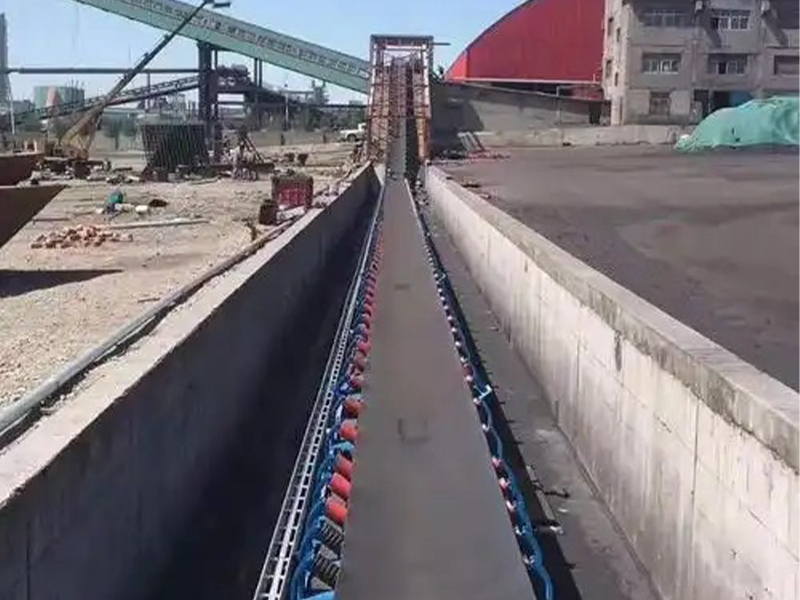
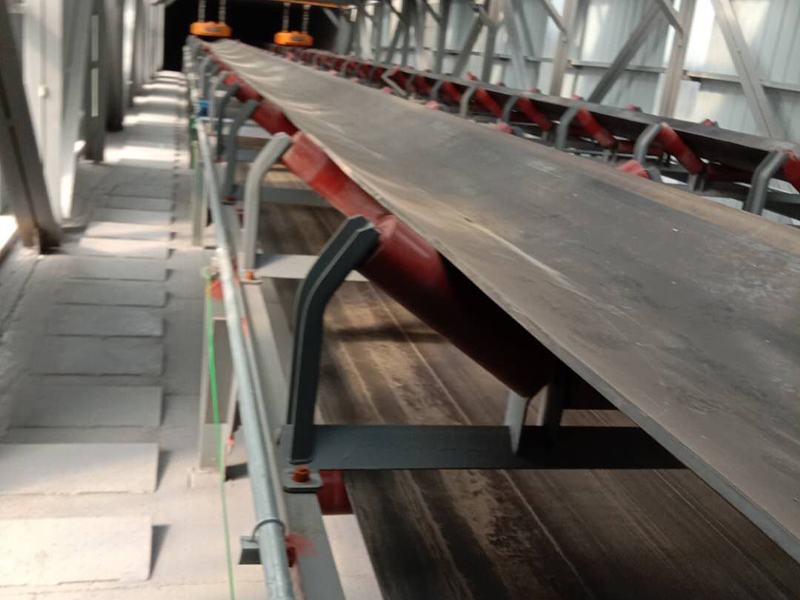
Over 22 years, our conveyor belts and structural idlers have been deployed in major industrial operations worldwide.
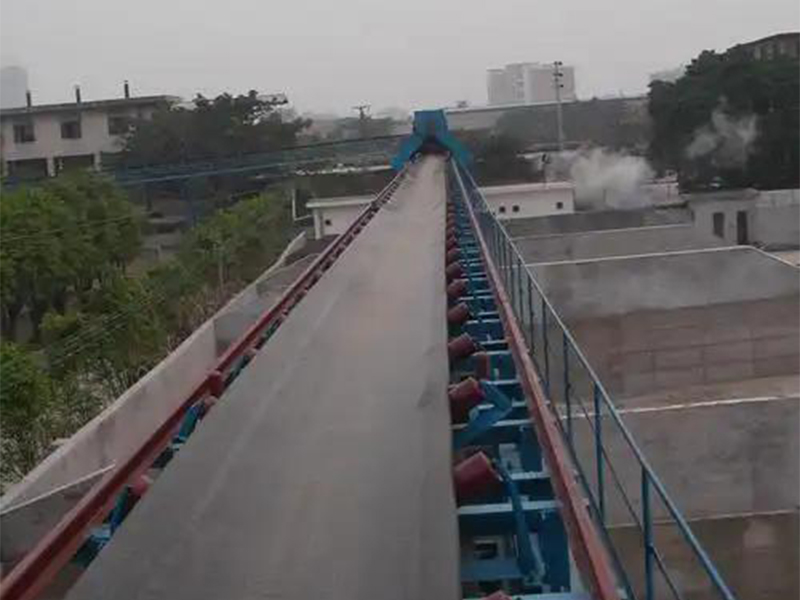
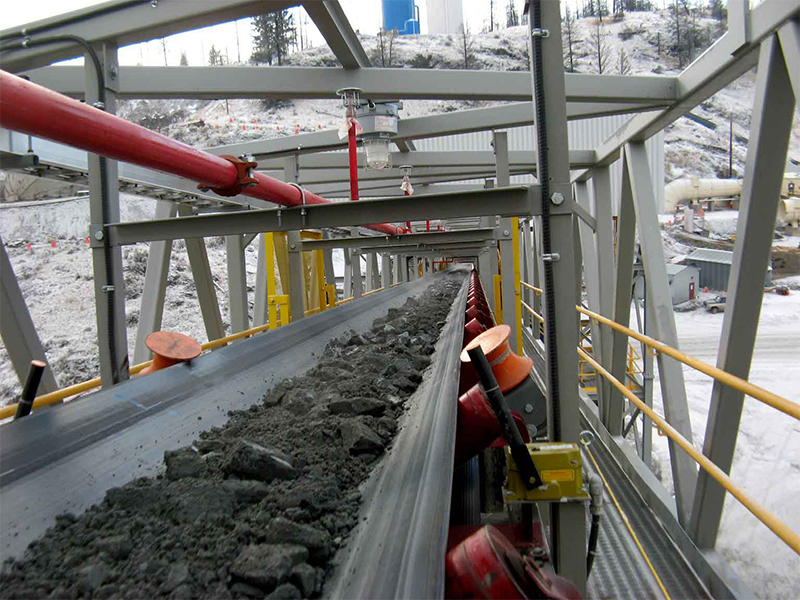
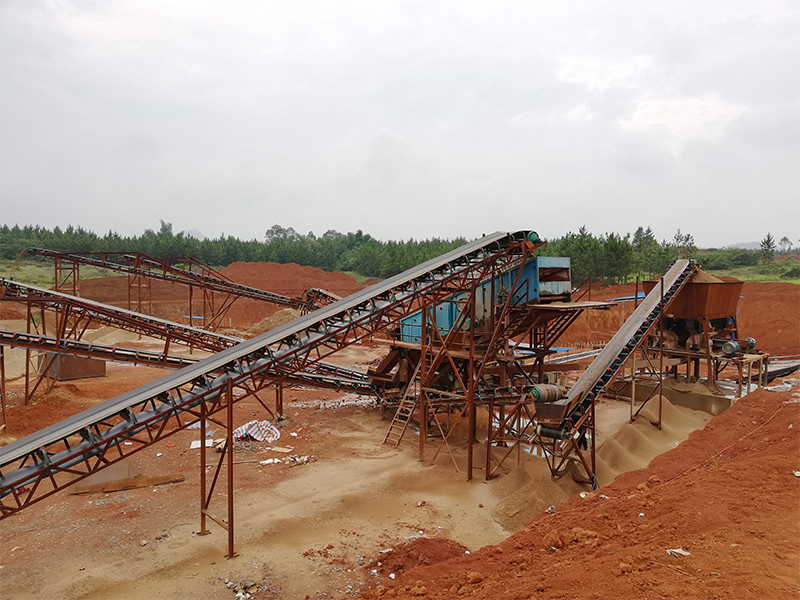
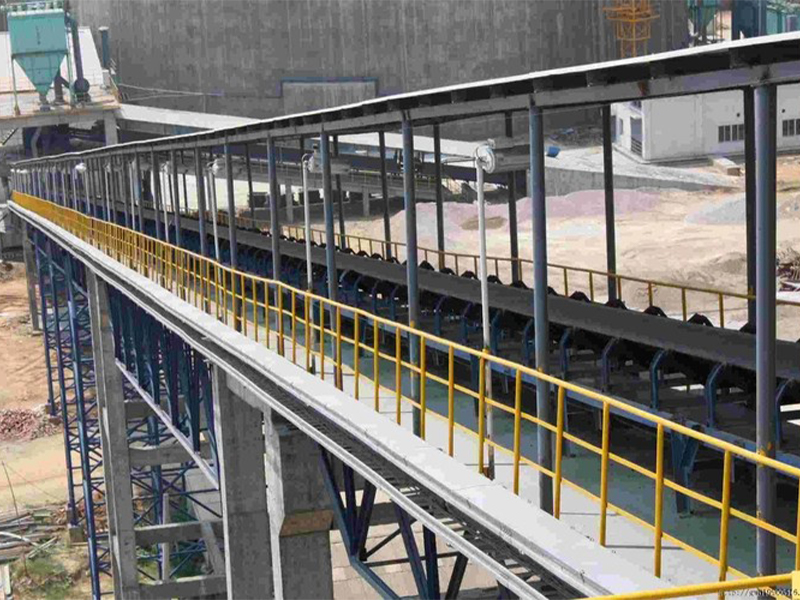
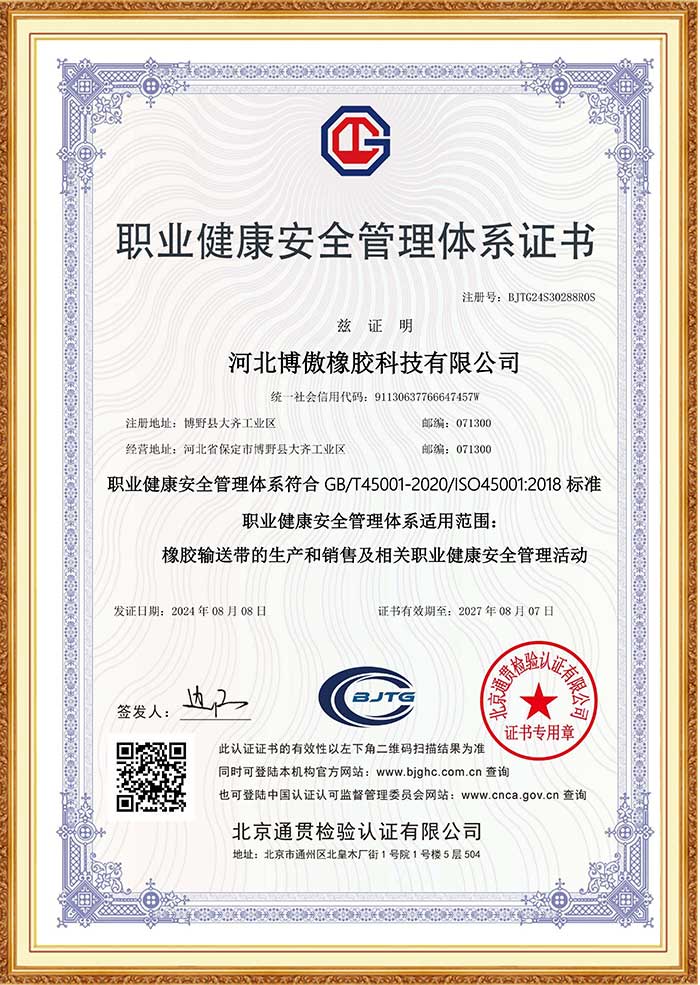
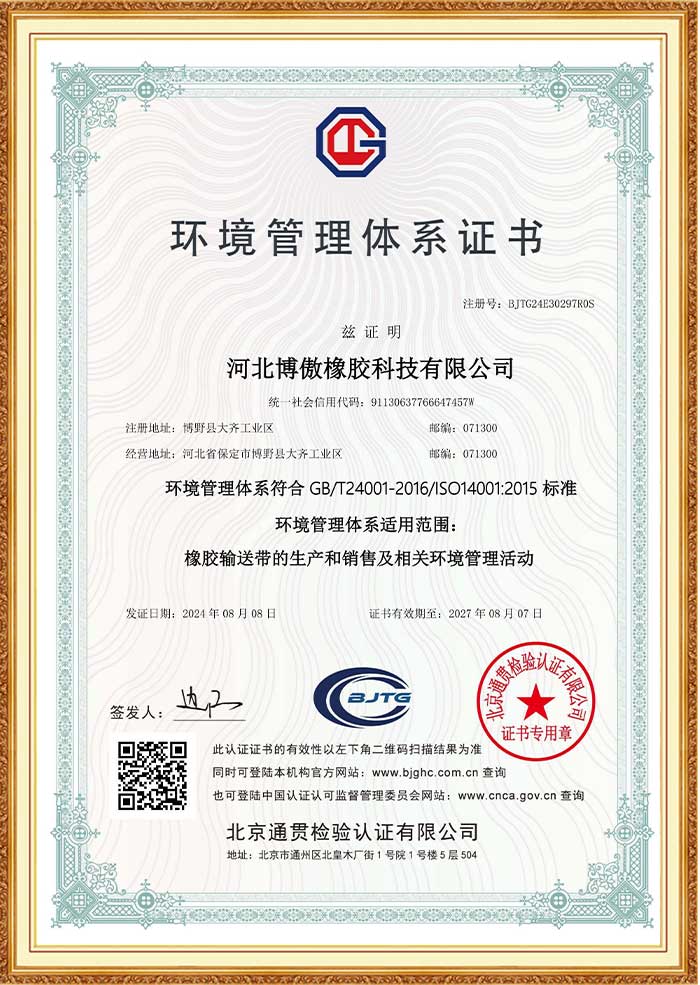
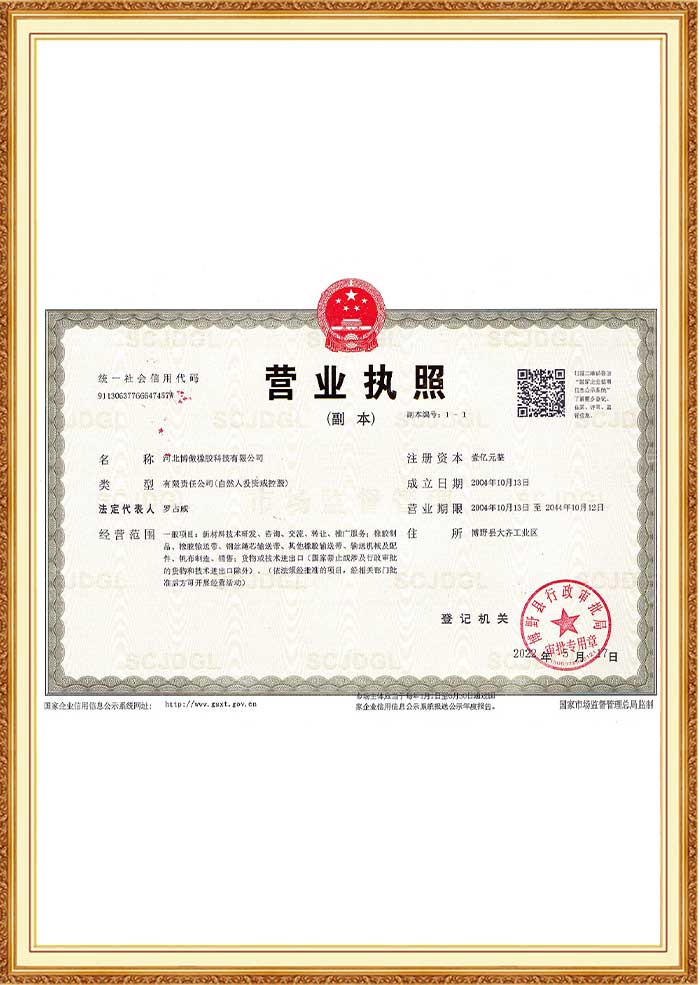
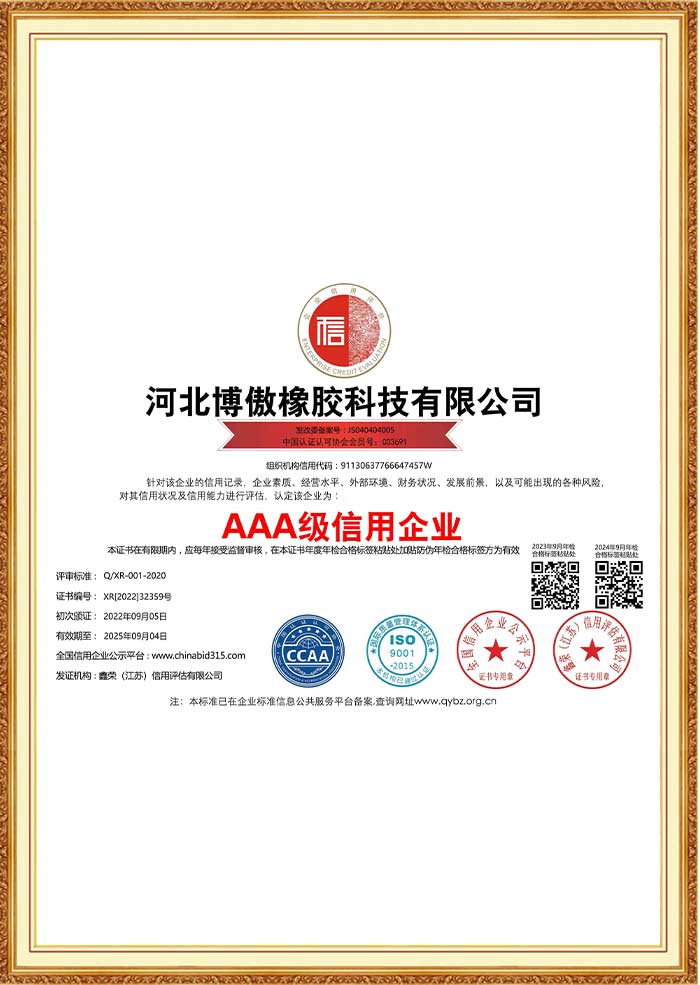
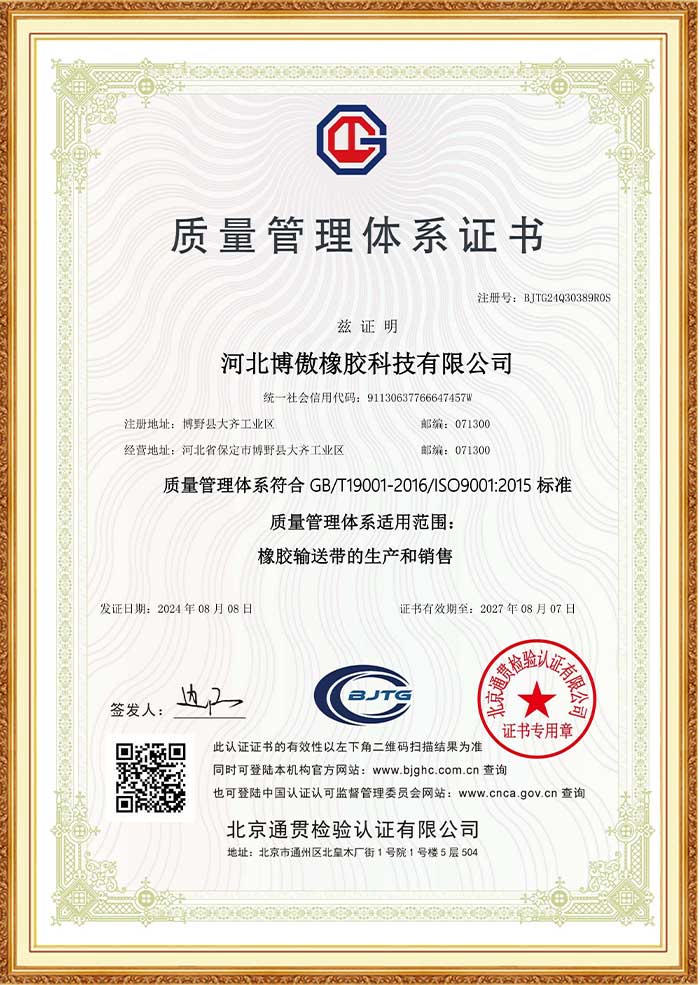
Verified manufacturing processes that meet European standards for quality, safety, and operational reliability.
Developing next-generation bulk handling solutions designed to meet European sustainability goals and digital manufacturing trends.
Energy costs represent a significant portion of long-distance conveyor operations. We are developing low-rolling-resistance rubber compounds that reduce drag over support rollers, helping operators lower conveyor system power requirements by up to 15%.
To reduce unplanned downtime, our upcoming conveyor designs feature embedded electronic loops and sensor layers. If a belt tear or puncture occurs, these sensors send immediate alerts to stop the system, preventing major equipment damage.
Answers to common engineering queries regarding conveyor system design, material selection, and site installation.
Our edge-reinforced rubber conveyor belts are produced with a molded-edge design. During the vulcanization process, the rubber compound at the margins is chemically bonded with the internal fabric carcass, creating a robust protective barrier that prevents moisture ingress and edge delamination.
EP (polyester-warp, polyamide-weft) fabric offers low stretch under tension, making it ideal for long-distance conveyor installations. NN (nylon-warp, nylon-weft) fabric provides higher elasticity, impact resistance, and flexibility, making it well-suited for heavy-duty systems with short-to-medium centers and high-impact loading zones.
Yes. All synthetic compounds used in our acid-alkali, oil, and chemical-resistant conveyor belts comply with European REACH regulation (EC 1907/2006), ensuring chemical safety and compliance for installations in Europe.
We recommend multi-stage hot vulcanized splicing. This method matches the steel cords inside the joint in a staggered layout, using specialized vulcanizing cements and high-pressure heating presses to ensure the joint maintains the strength of the parent belt.
Explore our full line of specialized heavy-duty conveyor belts, impact rollers, and system components.
Contact our technical sales team for specialized engineering assistance, detailed material quotes, and customized design recommendations.
Send Inquiry Now Boao Rubber