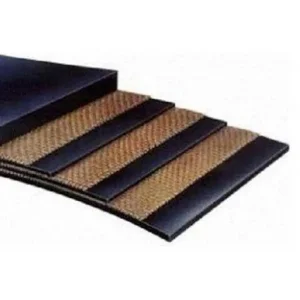
Explore our premium conveyor belts manufactured under rigorous testing protocols directly from our state-of-the-art facility.
An in-depth analysis of safety standards, rubber compound innovations, and high-tensile steel cord structural mechanics.
In modern bulk handling sectors such as underground coal mining, metallurgical refining, thermal power generation, and busy port terminals, material conveyance is a mission-critical process. The primary challenge is not merely moving massive tonnages over kilometers of horizontal and vertical profiles, but doing so safely. Heavy-duty rubber conveyor belts are the continuous mechanical thread of these setups. However, when loaded with combustible materials, high-speed belts run the constant risk of fire outbreak due to friction, motor overloads, misalignments, or external heat sources.
Historically, standard utility-grade rubber conveyor belts acted as fuel lines for catastrophic fires. The massive surface area of rubber combined with constant draft ventilation in galleries allows fire to propagate rapidly, putting human lives and billions of dollars of capital infrastructure at risk. Sourcing high-quality flame-retardant steel cord conveyor belts from reliable factories is therefore a fundamental regulatory and safety requirement. Steel cord carcass structures reinforce the belt against tension, while specialized cover compounds retard combustion, limit fire spread, and self-extinguish when the thermal source is removed.
The performance of a flame-retardant steel cord conveyor belt relies primarily on the chemical configuration of its rubber covers. Standard natural rubber (NR) and styrene-butadiene rubber (SBR) have high combustion metrics. To design a fire-resistant cover, the elastomer compound must be formulated to suppress chemical reaction zones. This is typically achieved in three ways:
At Hebei Boao Rubber Technology, our testing facility ensures these compounds maintain high tensile strength, abrasion resistance, and elastomeric flexibility, even when heavily loaded with flame-retardant additives.
While the rubber covers protect the belt from fire and physical wear, the internal steel wire rope core carries the longitudinal tension. These steel cords consist of high-carbon wire strands galvanized with high-purity zinc. The zinc coating acts as a sacrificial anode, protecting the steel from rust if moisture penetrates the cover.
A critical mechanical parameter is the adhesion strength between the steel wire rope and the core rubber. During vulcanization, the rubber flows between the individual outer wires of each cord, creating a mechanical lock. Formulated bonding rubbers bond chemically to the zinc coating. High adhesion strength prevents cord pullout during sudden high-impact loading and prevents internal moisture from traveling along the cords, which can cause internal rust and catastrophic belt failure.
Understanding the procurement pain points of modern operations managers and EPC engineering contractors.
Buyers must verify certification against ISO 340 (laboratory flame test), DIN EN 12882 (safety categories), MSHA Part 18 (underground mining approval), and AS 1332. Compliance ensures the product is safe for operation in hazardous, explosive environments.
While flame retardancy is vital, buyers also assess wear resistance, tear propagation limits, and cover wear rates. A premium steel cord belt that lasts 7–10 years reduces splicing, repair, and replacement downtime compared to lower-cost alternatives.
Working with factories that perform in-house chemical, physical, and fire testing ensures traceabilty. From raw polymer inspection to final vulcanization and drum packaging, quality checks guarantee consistent field performance.
Hebei Boao Rubber Technology Co., Ltd. — Professional Manufacturer and Engineering Partner
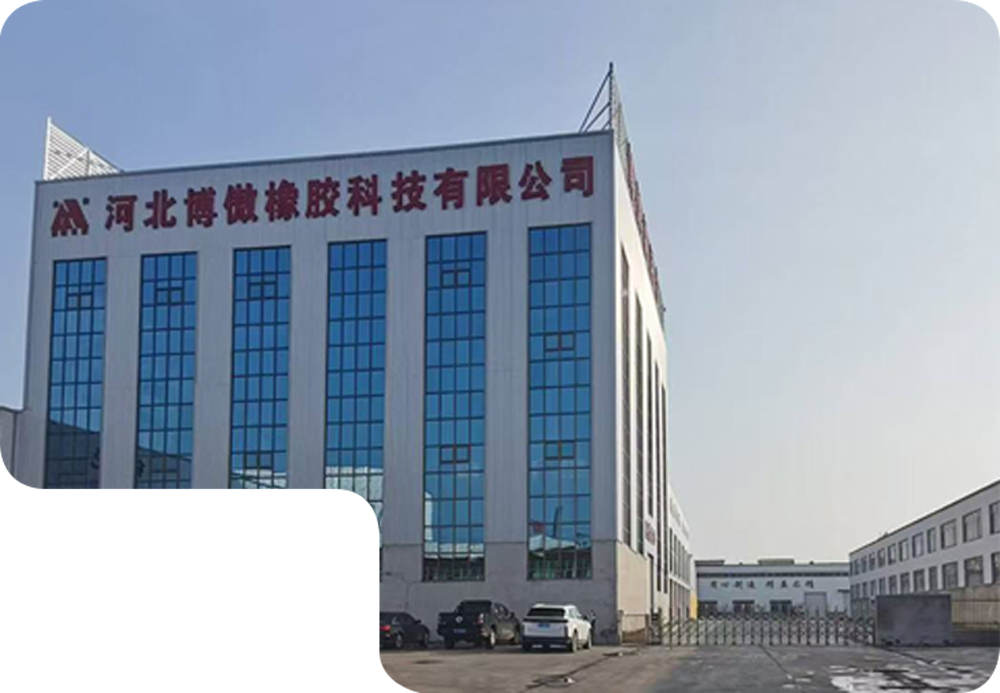
Brand: "Jinao" | Established in 2004
Located in the Boye County Rubber Industrial Park, Baoding, Hebei Province, Hebei Boao Rubber Technology Co., Ltd. covers an area of over 30 acres. Over the past 22 years, Boao has grown into a leading domestic and international supplier of high-grade conveyor systems, integrating product development, laboratory research, structural design, manufacturing, and technical field services.
We operate advanced production lines for compound mixing, steel cord assembly, press vulcanization, and finished product testing. Our quality management systems are certified to international standards.
Providing specialized engineering solutions across diverse heavy industrial applications globally.
Underground environments require high flame-retardancy ratings. Our steel cord belts are designed with self-extinguishing covers and anti-static compounds to prevent spark build-up and safely transport coal out of deep mine workings.
Sintering, pelletizing, and coke conveying involve handling hot abrasive materials. Our dual-rated heat and fire resistant steel cord conveyor belts resist temperatures up to 200°C while preventing burning particles from igniting the belt.
Pulverized coal feeding lines are susceptible to combustion hazards. We supply anti-static and oil-resistant flame-retardant belts to handle diesel-sprayed coal, preventing localized flame propagation near boiler units.
High-speed loading requires high tensile strength (up to ST5400) and deep troughing capabilities. Our steel cord belts offer low elongation, ensuring stability over long center-to-center conveyor runs.
Conveying clinker from kilns requires a combination of heat resistance and reliable mechanical splice strength. We offer comprehensive mechanical solutions, including heat-resistant compounds and durable splice materials.
For chemical and fertilizer transport, we offer specialized acid- and alkali-resistant rubber compounds, protecting the steel cord core from chemical corrosion and cover degradation.
Our solutions have been field-tested in complex mining, cement, and steel operations across the region.
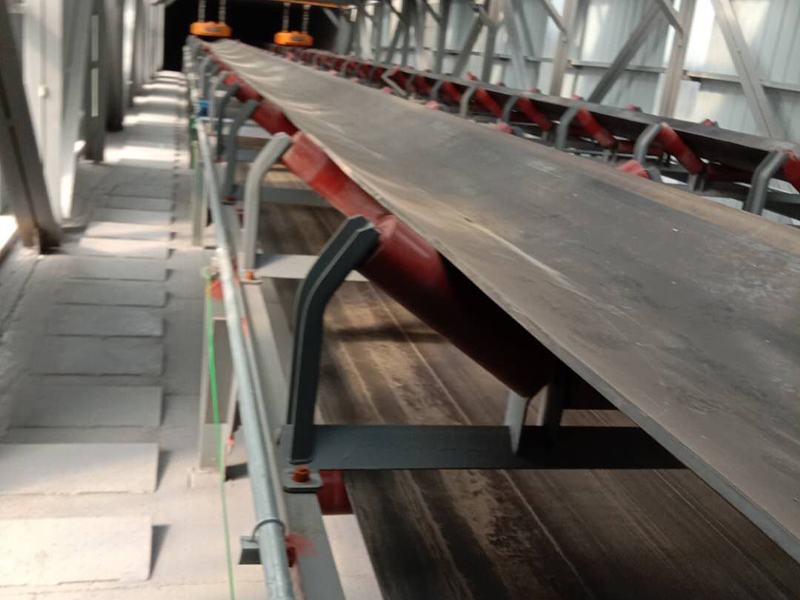
Taihang Steel Project
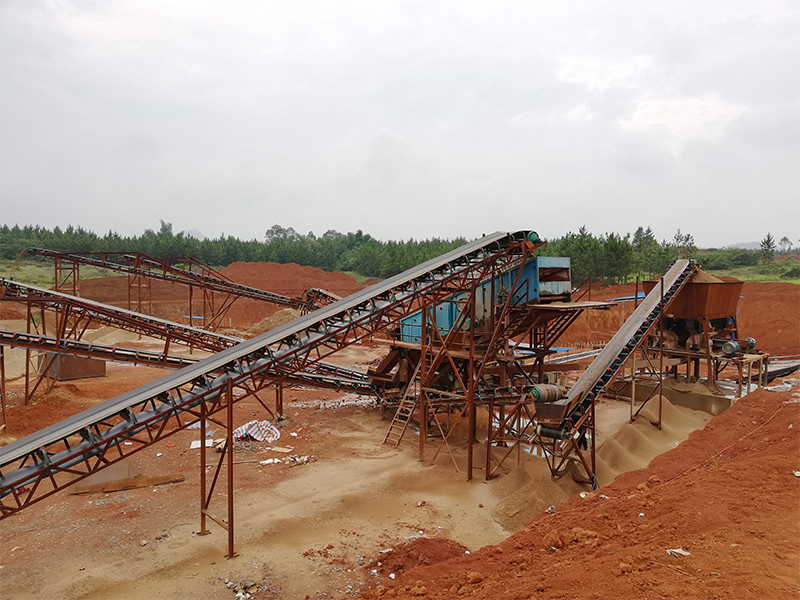
Tsingshan Group Project
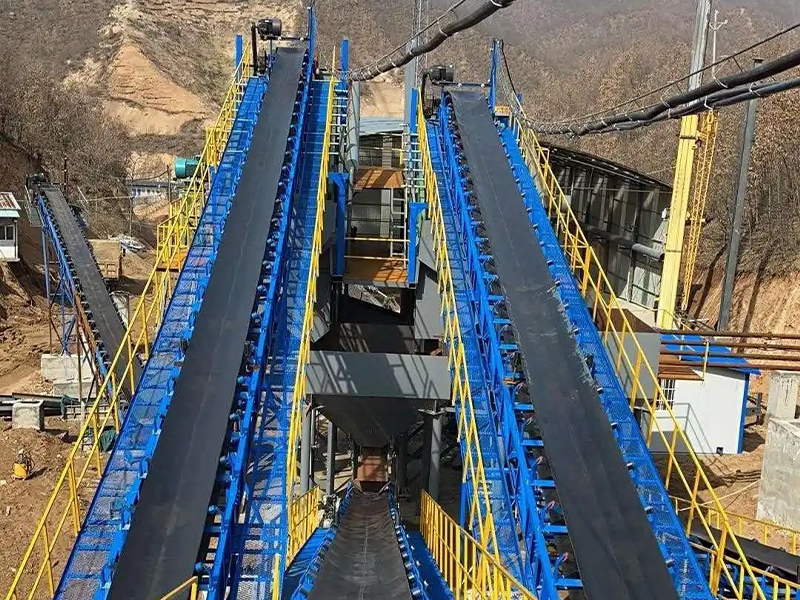
Zijin Mining Project
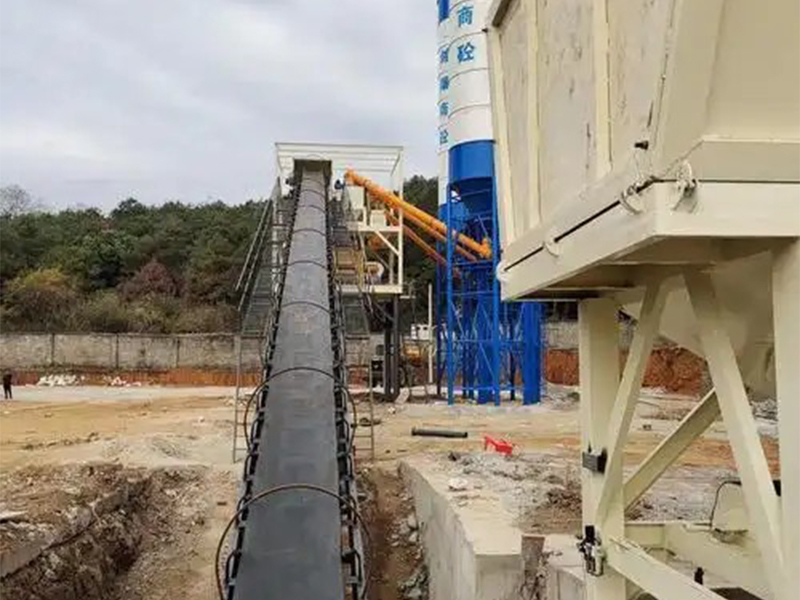
China Railway Mixing Plant
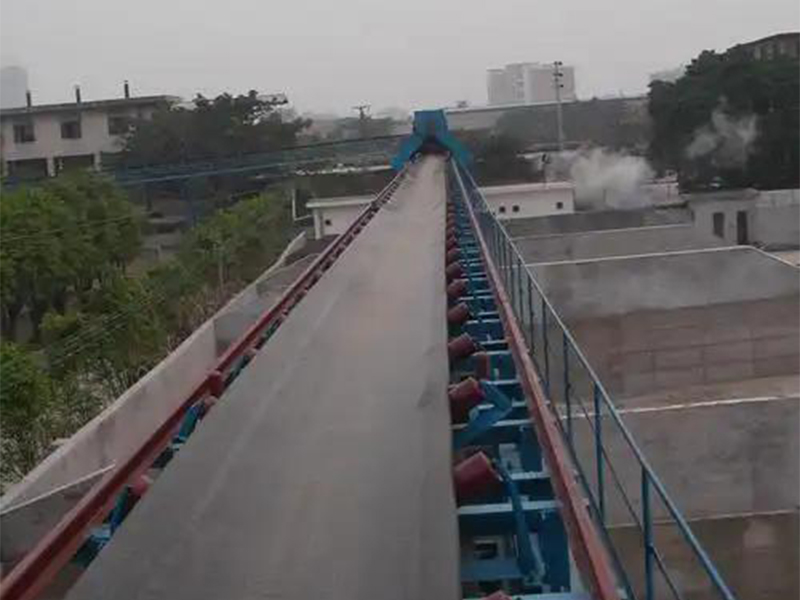
Conch Cement Project
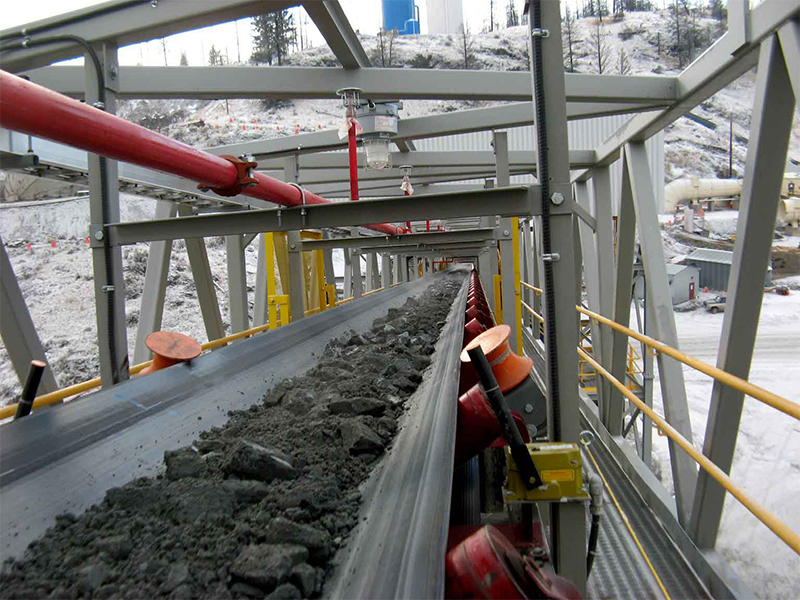
Datong Coal Group Project
Rigorous management controls and product certifications ensuring compliance with global regulatory standardizations.
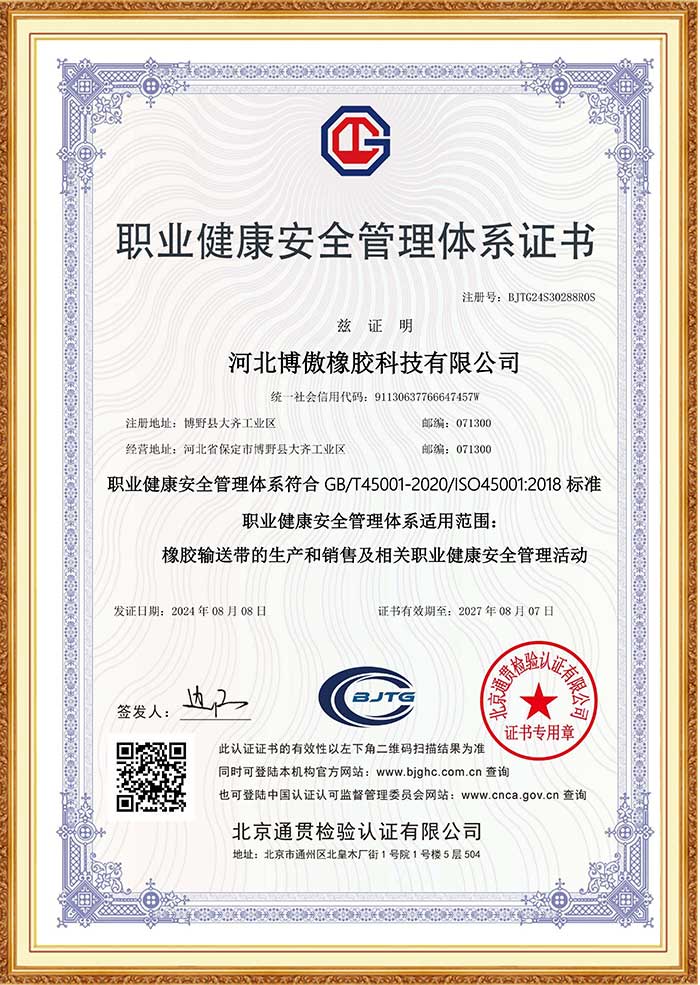
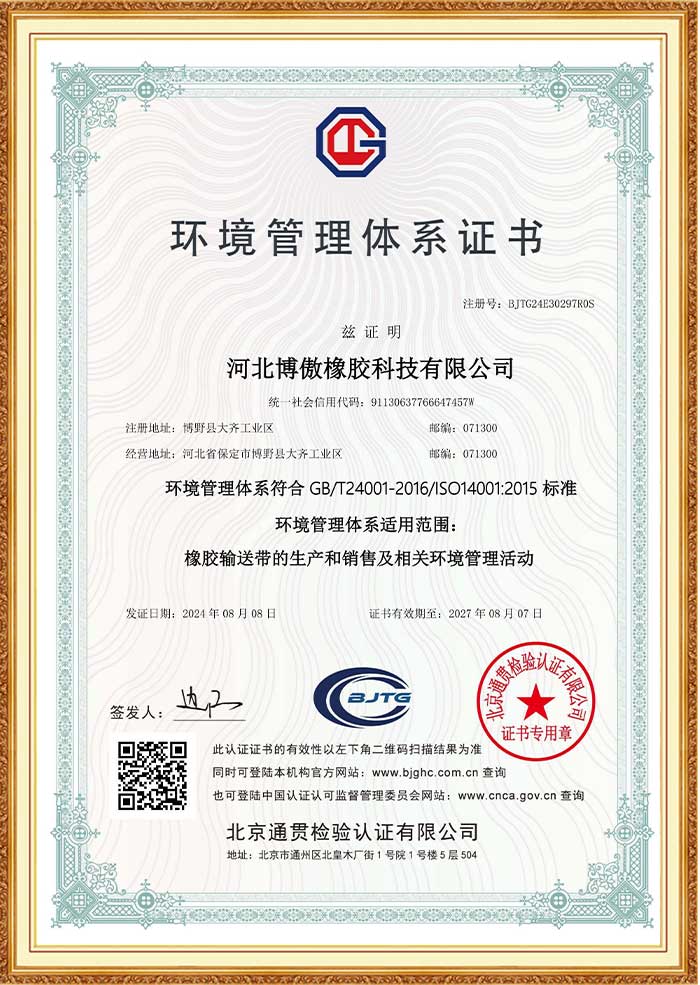
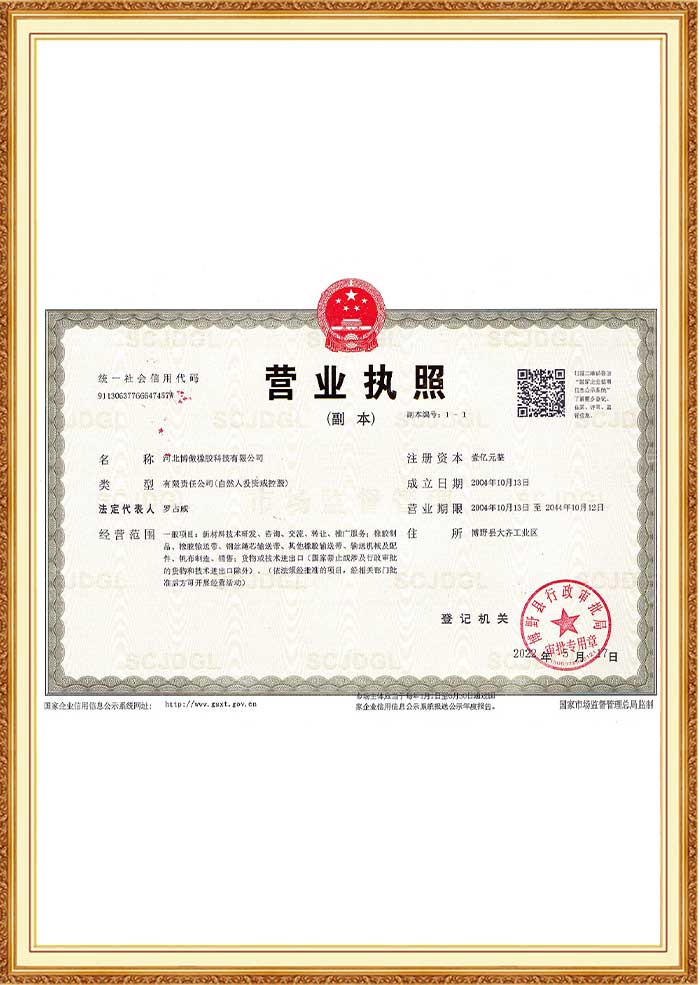

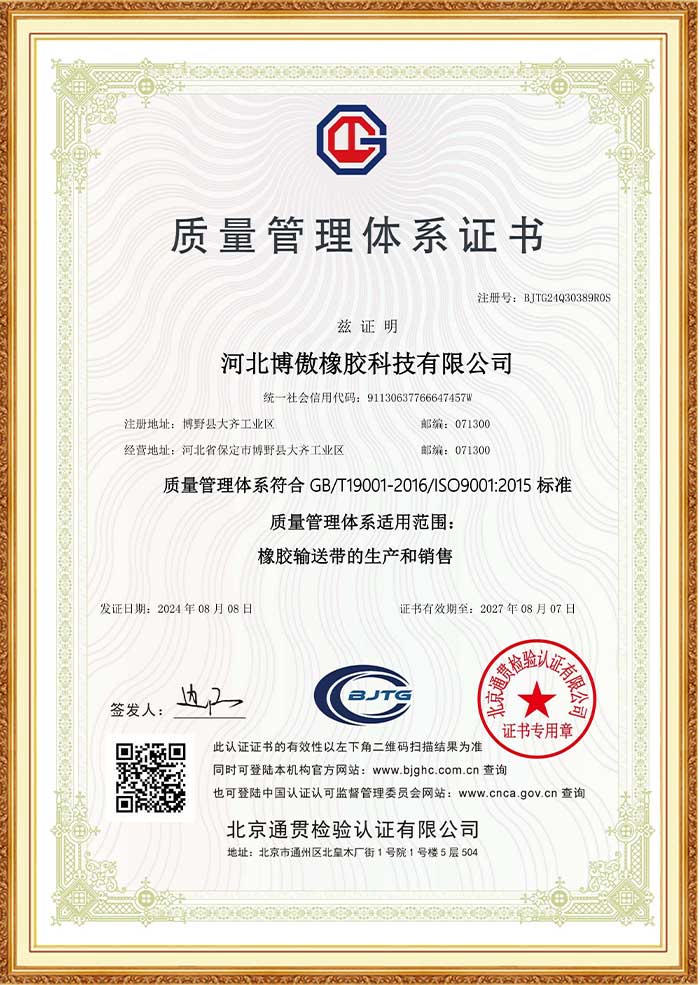
Comprehensive technical support from installation planning to splicing, inspections, and emergency maintenance.
We provide replacement, repair, inspections, and emergency maintenance for conveyor belts. Our engineering teams help minimize operational downtime.
We support raw material inventory management, vulcanized splicing, cover rubber maintenance, and emergency response operations to keep your materials moving.
Our focus is to improve conveyor system operational efficiency, reduce belt wear, and help operators lower their overall cost per ton handled.
Through scheduled inspections, wear measurements, and thermal scan diagnostics, we help extend the service life of high-tension conveyor systems.
Integrating digital monitoring technologies with advanced elastomer compounds to meet tomorrow's fire safety requirements.
The future of flame-retardant steel cord conveyor systems lies in real-time sensor integration. Standard manual inspections are insufficient for multi-kilometer operations. At Boao, we are developing and integrating internal sensor loops. Transmitting coils embedded directly in the sensor rubber cover can communicate with line detectors to track tear propagation. If a sharp object pierces the belt and gets caught, the system triggers an emergency stop sequence, preventing a complete longitudinal tear.
Furthermore, integration with X-ray monitoring systems allows operators to check internal steel cord alignments, dynamic fatigue, and micro-fractures without stopping production. This preventive approach helps avoid sudden failures and helps extend the life of high-tension belts.
Traditional fire-retardant compounds containing chlorine or bromine chemicals release toxic halogenic smoke during combustion, creating visibility and safety concerns in enclosed spaces. Modern specifications increasingly call for non-halogenated compound variants.
Our current research and development programs focus on developing elastomer compounds with alternative flame retardants. By using mineral-based additives like aluminum trihydrate, we can produce covers that release non-toxic water vapor under high temperatures. This helps suppress flames while reducing smoke density, meeting international environmental and underground safety requirements.
Detailed technical answers to common questions about selecting, sourcing, and maintaining fire-resistant steel cord belts.
Explore our specialized range of patterned, reinforced, and chemical-resistant conveyor belt solutions.
 Boao Rubber