Engineered for maximum tensile strength, extreme abrasion resistance, and non-stop industrial bulk material handling.
Understanding Cross-Linking Density, Elastomer Formulations, and High-Pressure Thermal Curing Dynamics
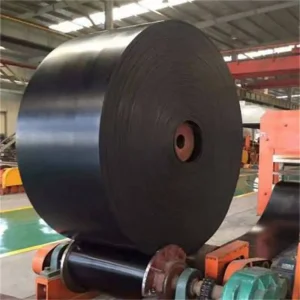
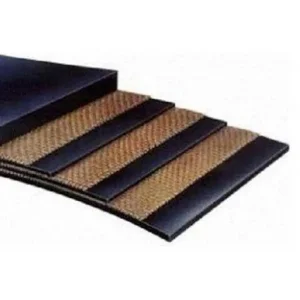
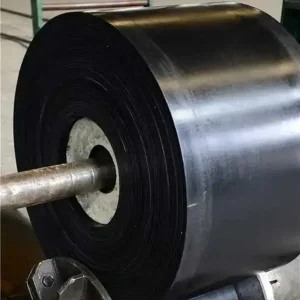
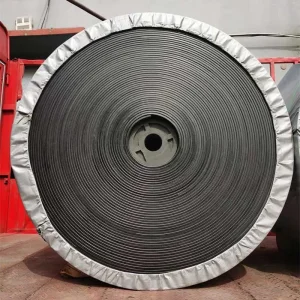
In modern high-capacity material handling, thermal vulcanization represents the ultimate benchmark for structural integrity and tensile durability. Vulcanized conveyor belts undergo a chemical transformation under controlled hydraulic pressure (1.8 to 2.5 MPa) and elevated temperatures (145°C to 160°C). This process converts raw linear rubber polymer chains into a 3D cross-linked elastomer matrix via sulfur bridges or peroxide links. The outcome is exceptional dynamic fatigue resistance, minimal permanent deformation, and superior carcass-to-cover bond strength.
When selecting the best vulcanized belt suppliers & factories, mining engineers, plant directors, and procurement managers must evaluate the chemical architecture of cover polymers. Whether processing abrasive iron ore, red-hot cement clinker, or corrosive chemical fertilizers, vulcanized belting must be tailored at the molecular level:
Optimized for extreme mechanical impact and cut/gouge resistance. Ideal for primary quarry crushing lines and deep underground mining operations requiring DIN 53516 abrasion loss < 90 mm³.
Designed to withstand extreme temperatures up to 200°C (with peaks at 300°C). Vulcanized with specialty peroxide curing agents to prevent thermo-oxidative degradation in cement clinker lines.
Formulated for aggressive chemical environments, heavy oily seeds, and coal terminal lines requiring flame-retardant performance certified under ISO 340 and EN 12882 standards.
22+ Years of Manufacturing Leadership, Scientific Innovation, and Industrial Excellence
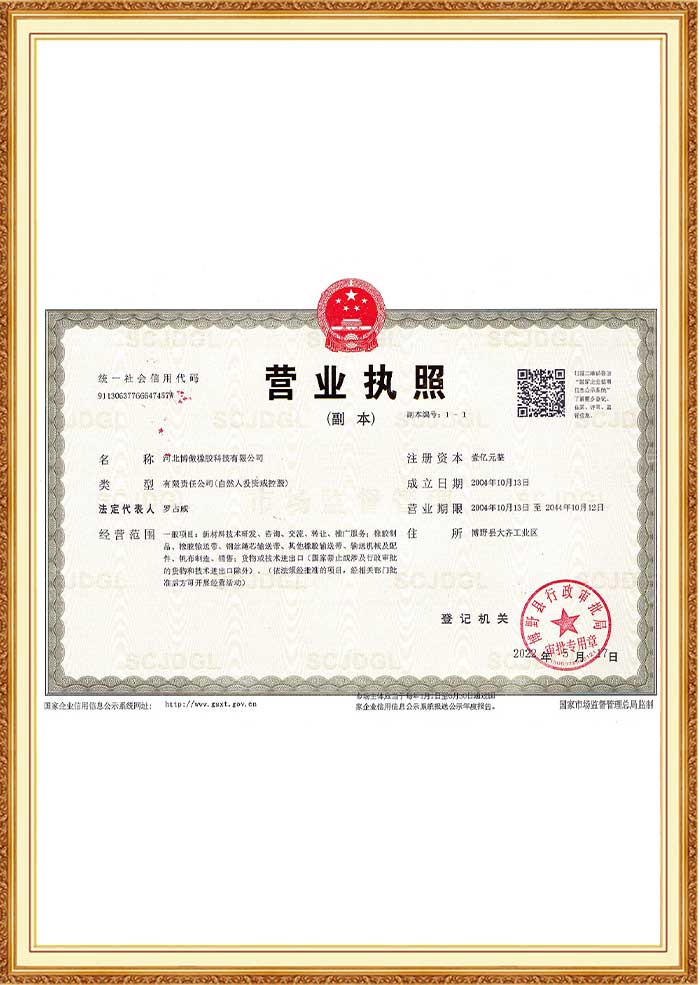
Located in the Rubber Industrial Park of Boye County, Baoding, Hebei Province, Hebei Boao Rubber Technology Co., Ltd. was established in 2004 and has grown into a formidable leader in heavy-duty vulcanized belting. Spanning over 30 acres of modern manufacturing facilities, the company operates under its premier flagship brand "Jinao".
As a fully integrated technological powerhouse in China, Hebei Boao combines R&D, structural design, internal mixing, precision fabric weaving, continuous press vulcanization, and global technical field services under one roof. The facility is equipped with automated rolling mills, multi-plate vulcanization presses, dynamic adhesion testers, and a state-of-the-art physics & chemical analysis laboratory.
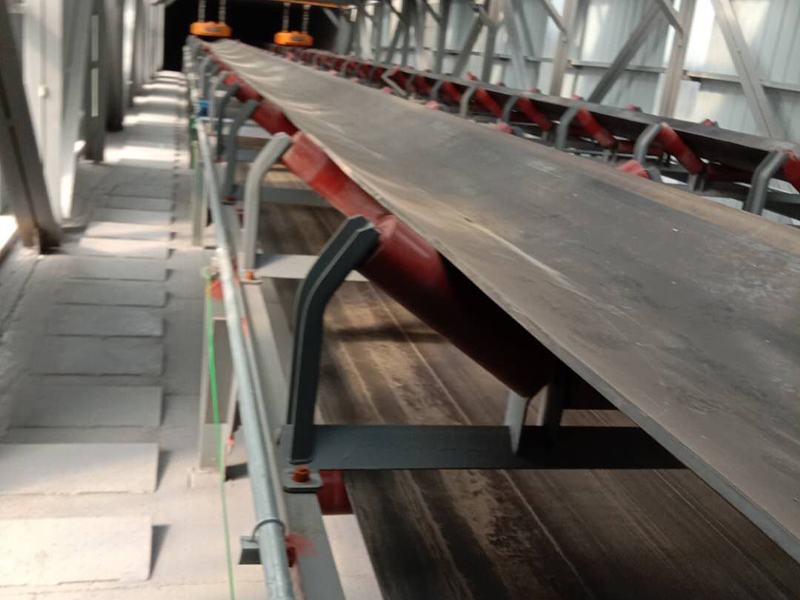
How Modern Smart Factories Outperform Traditional Manufacturing via Vertical Integration
Computer-controlled Banbury mixers ensure exact elastomer dispersion, carbon black distribution, and chemical vulcanizing agent dosing across all batches, guaranteeing uniform tensile strength.
Ultra-long high-pressure curing lines maintain precise micro-temperature zones, eliminating weak vulcanization splice points and ensuring zero interlayer delamination during heavy operation.
From high-tenacity EP/NN duck fabrics to high-tensile steel cord cords, every raw material shipment undergoes rigorous testing before entering the production lifecycle.
Hebei Boao operates an independent chemical analysis room and physics testing laboratory. Under strict QA/QC standards, every production lot is subjected to tension testing, DIN abrasion evaluation, cover-to-carcass peel strength tests, and thermal aging simulations. Unqualified raw rubber cannot enter the production line, and finished rolls that deviate from ISO/DIN benchmarks never leave the warehouse floor.
Comprehensive Specifications of "Jinao" Vulcanized Rubber Belts & Supporting Accessories
| Belt Classification | Carcass Type | Tensile Rating (N/mm) | Working Temp (°C) | Core Application Field |
|---|---|---|---|---|
| EP / NN Fabric Layered Belt | Polyester (EP) / Nylon (NN) | 315 to 3150 N/mm | -20°C to +80°C | General Bulk Mining, Aggregates, Ports |
| Steel Wire Rope Core Belt | Galvanized Steel Cord (ST) | ST630 to ST5400 N/mm | -30°C to +90°C | Overland Long-Distance & Deep Shaft Mining |
| Heat-Resistant Vulcanized Belt | EP / Steel Cord + EPDM | 400 to 2500 N/mm | Up to +200°C (Peaks 300°C) | Cement Clinker, Steel Sinter & Foundry Slag |
| Acid & Alkali Resistant Belt | Specialty Synthetic Rubber | 315 to 2000 N/mm | -15°C to +60°C | Chemical Processing, Fertilizer Plants, Salt Mining |
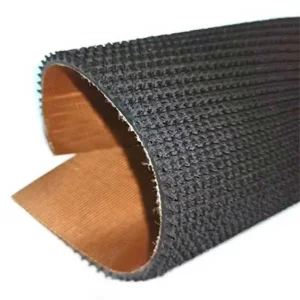
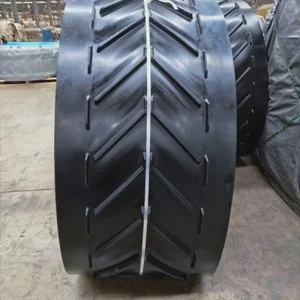
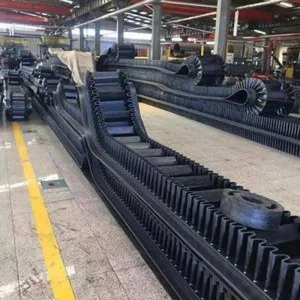
| Patterned / Wavy Edge Belt | Cleated / Sidewall Molded | 250 to 1600 N/mm | -20°C to +80°C | Steep Incline Material Transport (0° to 90°) |
| Anti-Tear Rip-Stop Belt | Steel Cord + Transverse Reinforcement | ST1000 to ST4500 N/mm | -30°C to +80°C | Sharp Ore Crushing Lines, Heavy Quarrying |
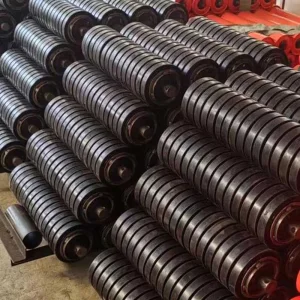
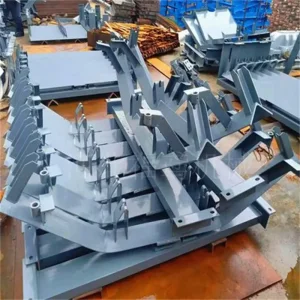
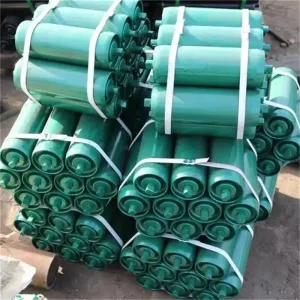
Beyond vulcanized rubber belting, Hebei Boao manufactures a full lineup of precision conveyor hardware: Corrosion-Resistant Buffer Idler Rollers, Ceramic Lagging Rollers, Suspended Troughing Brackets, Motorized Pulleys, Centering Frames, and Tensioning Accessories designed to work seamlessly with high-tensile vulcanized belts.
Engineered Field Applications Across Critical Global Industries
Designed for severe gouging and high drop impacts. Anti-tear vulcanized steel wire belts withstand falling rocks over 500 kg, preventing longitudinal tearing and catastrophic conveyor downtime.
Formulated with flame-retardant, high-heat EPDM elastomers. Operates reliably near sinter furnaces and blast furnace discharge points without surface hardening or cracking.
High-inclined wavy edge sidewall belts allow vertical conveying in space-constrained aggregate crushing plants, lowering structural infrastructure costs by up to 35%.
Flame-retardant and anti-static vulcanized belts engineered to comply with ISO 340 safety protocols, eliminating explosion risks in enclosed coal dust handling systems.
Next-Generation Nanocomposites, Smart IoT Monitoring, and Sustainable Rubber Chemistry
Integrating nano-graphene particles into the cover compound increases tensile strain capacity by 40% while reducing overall rolling resistance, cutting motor power consumption across long-conveyor runs.
Embedding RFID chips and magnetic sensor threads within the carcass allows real-time continuous monitoring of vulcanized splices, internal wire rope corrosion, and localized core tear propagation.
Transitioning toward low-volatile organic compound (VOC) cross-linking agents and bio-based plasticizers, reducing carbon footprint during press curing without compromising physical durability.
Evaluating Total Cost of Ownership (TCO), Factory Audit Guidelines, and Quality Standards Compliance
When procurement executives evaluate vulcanized belt suppliers & factories, purchase price represents only a fraction of the total life cycle cost. Belt unexpected failure, carcass delamination, or rapid cover wear lead to lost plant throughput that far exceeds initial equipment cost.
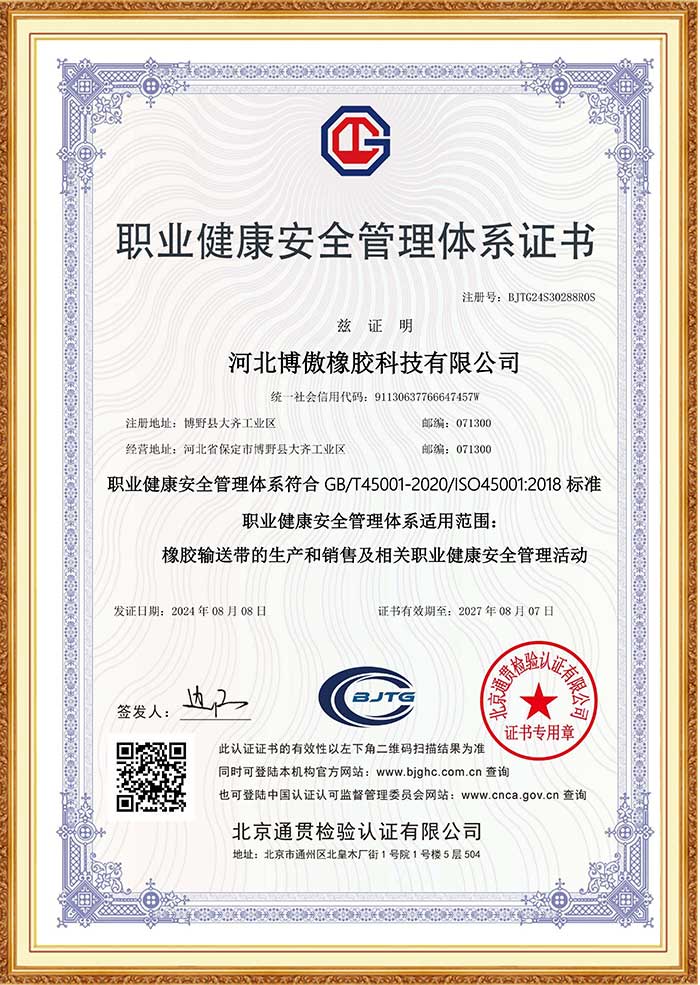
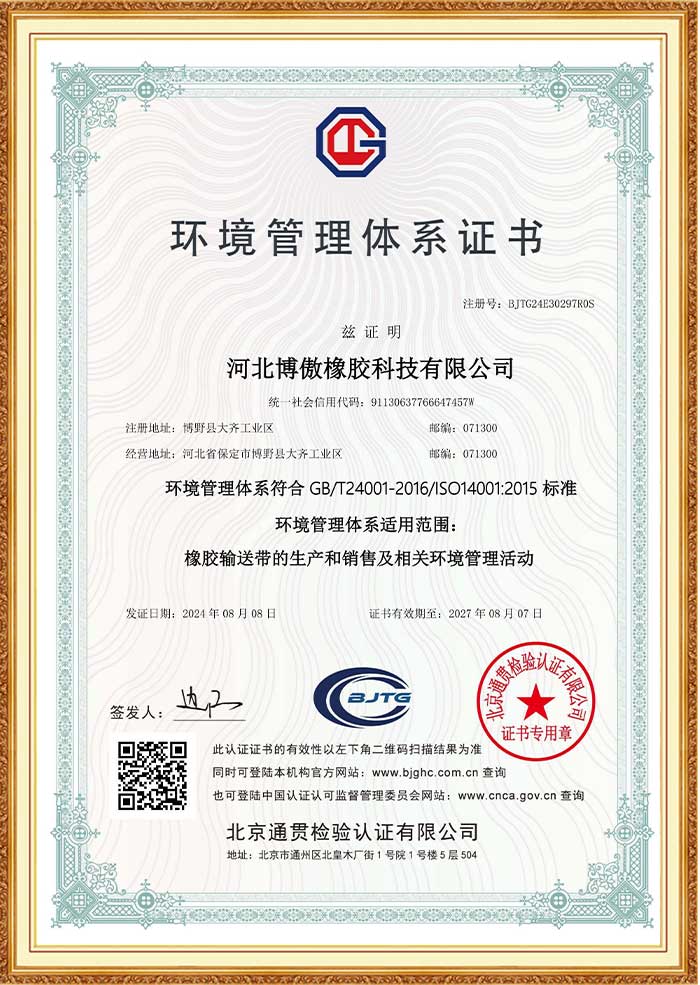
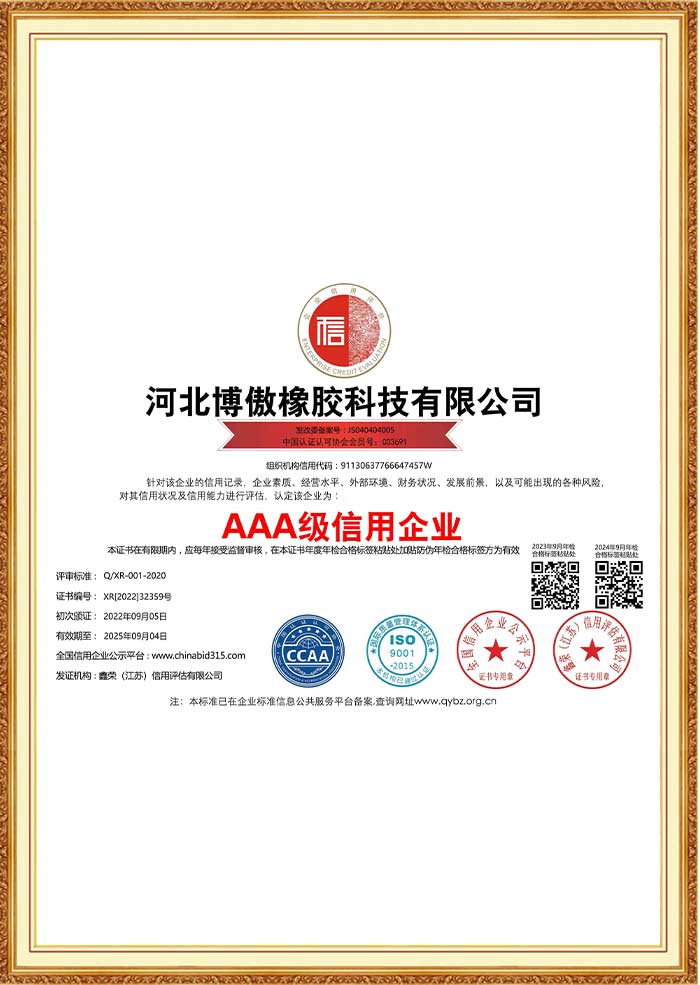
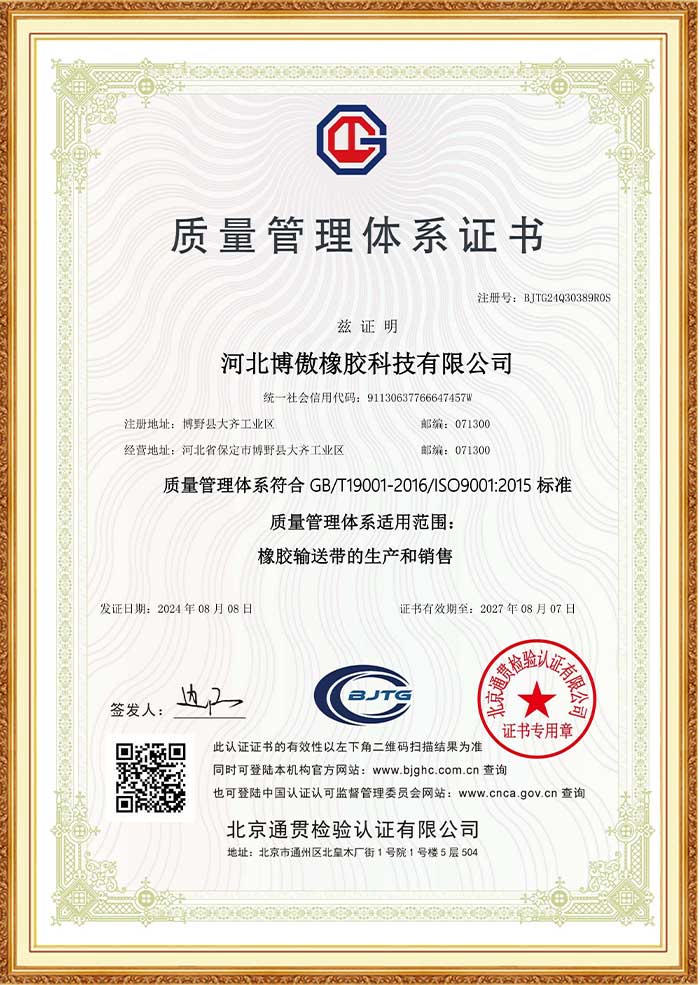
Inspect raw material testing protocols, press vulcanization pressure calibration records, and rubber mixing consistency controls. Verify ISO 9001, ISO 14001, and ISO 45001 certifications.
Calculate TCO using: TCO = (Initial Belt Cost + Installation Cost + Maintenance Downtime) / Total Tonnage Transported. Boao's high-wear vulcanized belts lower LCC by up to 28%.
Ensure suppliers provide comprehensive hot-splicing technical kits, vulcanizing presses, and on-site field engineering assistance for rapid emergency splice repair.
Trusted by Global Mining Giants, Steel Manufacturers, and Infrastructure Conglomerates
Taihang Steel
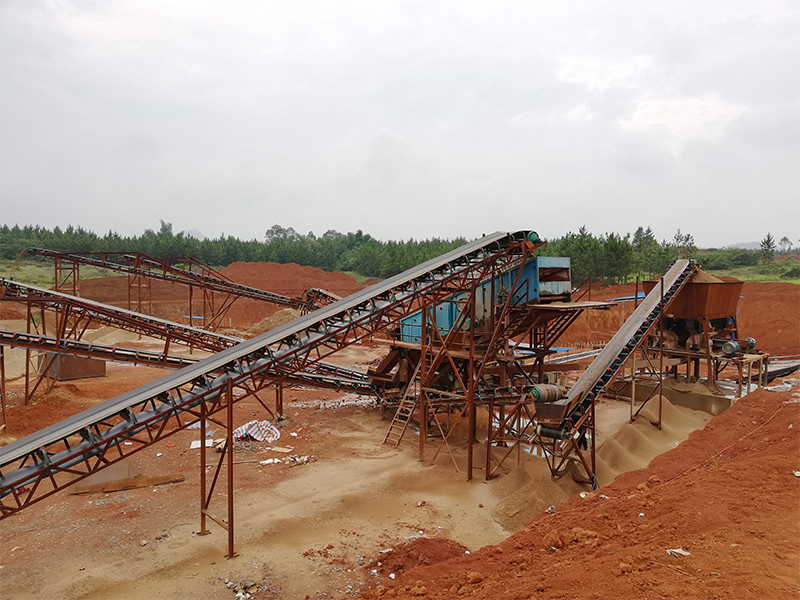
Tsingshan Group
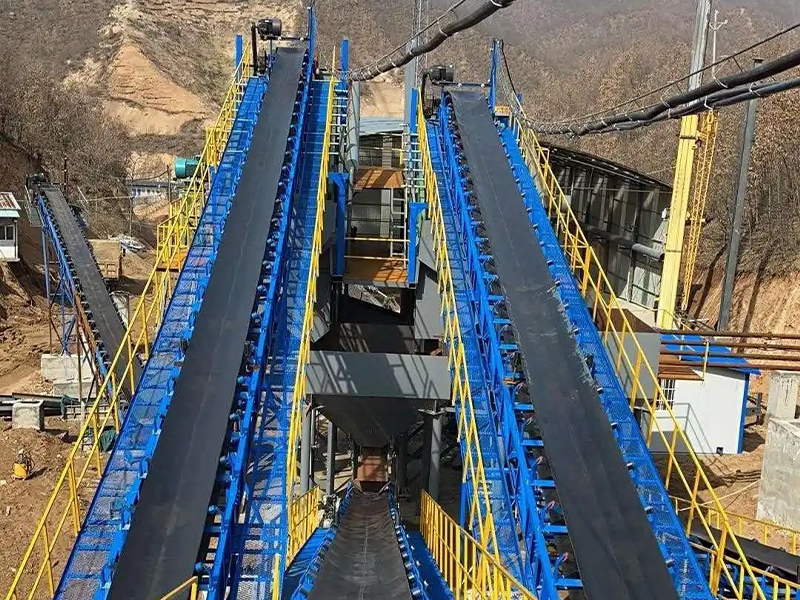
Zijin Mining
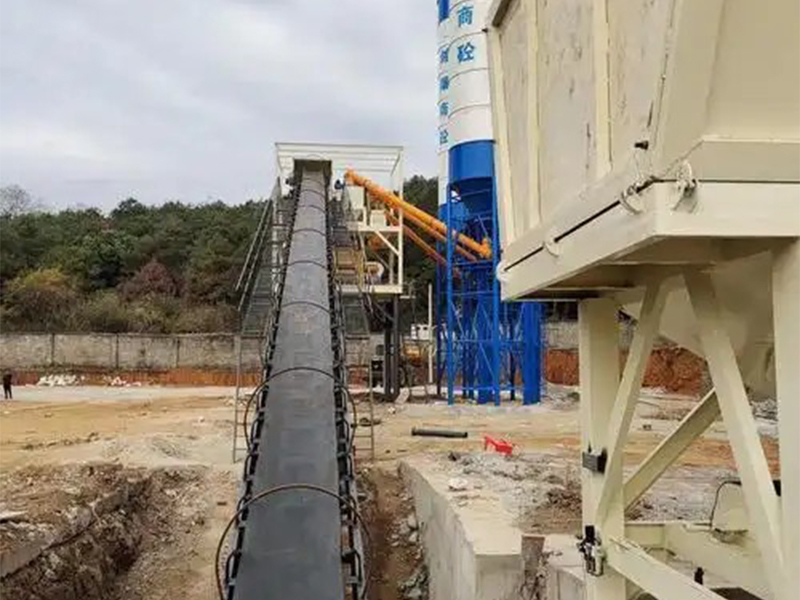
China Railway Group
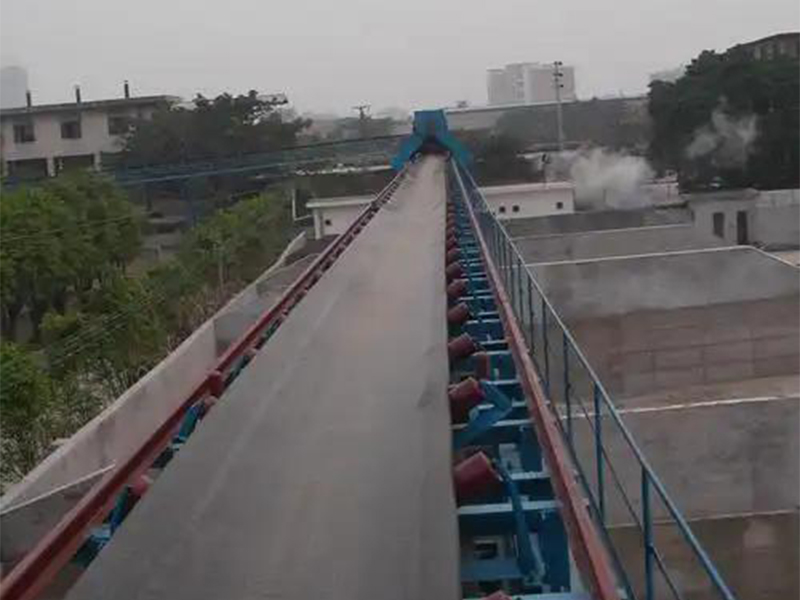
Conch Cement
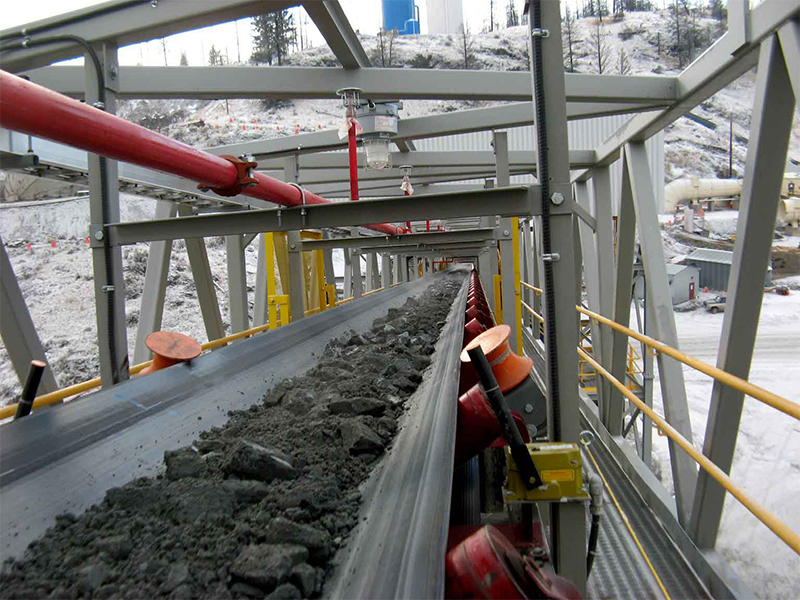
Datong Coal Group
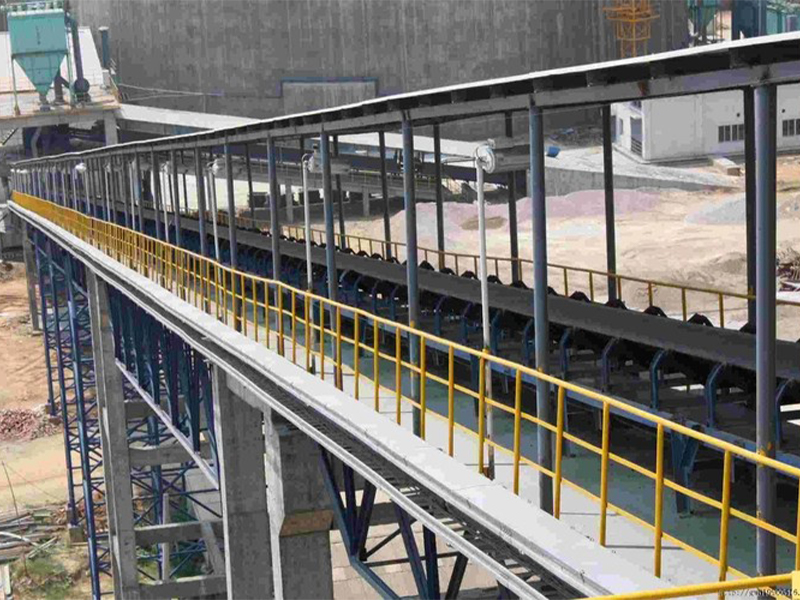
Jidong Cement Group
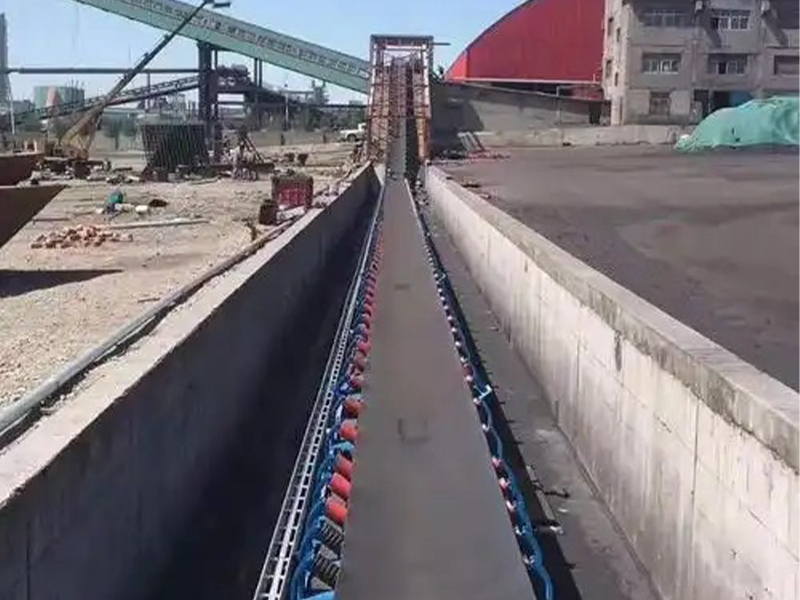
Jinmei Group
End-to-End Life Cycle Technical Services: Inspection, Storage, Hot Vulcanization Bonding, and Maintenance
Skip sourcing hassle across multiple vendors. Hebei Boao offers total conveyor maintenance solutions: planned replacement, rubber cover patching, joint splicing, and emergency on-call field operations.
We maintain regional reserve stock for client operations, conducting periodic warehouse inspections to ensure rubber flexibility and tension integrity prior to immediate field deployment.
All "Jinao" vulcanized products conform strictly to international standards including DIN 22102 (Germany), AS 1332 (Australia), RMA (USA), and ISO 10247.
Expert Answers to Critical Engineering Questions for Procurement Managers & Plant Engineers
A: Hot vulcanized splices restore up to 90%-95% of the original belt's tensile strength, creating a continuous rubber matrix through heat and hydraulic pressure. Mechanical fasteners offer only 50%-65% joint strength and suffer from severe wear, high material leakage, and pulley lag damage. Cold bonding is susceptible to moisture ingress and chemical breakdown under harsh outdoor conditions.
A: EP fabric belts offer low elongation and excellent fatigue resistance for medium-to-long conveyor distances. NN fabric belts feature maximum elastic absorption, making them superior for extreme impact loading points. Steel Cord (ST) belts are essential for ultra-long distance overland lines (exceeding 1 km) or deep vertical mine lifts requiring tensile strengths up to 5400 N/mm with minimal elastic stretch.
A: You must specify: 1) Peak and continuous material temperatures; 2) Material lump size and sharpness; 3) Conveyor speed and cooling cycle distance; and 4) Chemical properties of the conveyed material (e.g., acidic clinker vs neutral sinter ore). EPDM blends are customized based on whether thermal degradation or surface abrasion is the primary wear factor.
A: Every production run undergoes automated batching, continuous hydro-press curing with computer-controlled heat distribution, and mandatory laboratory verification (cover tension, DIN abrasion, carcass ply adhesion). Complete mill test certificates (MTC) matching ISO standards accompany every container shipment.
Explore Our Specialized Heavy-Duty Rubber Belting and Idler Accessories
 Boao Rubber