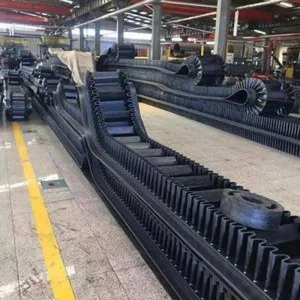
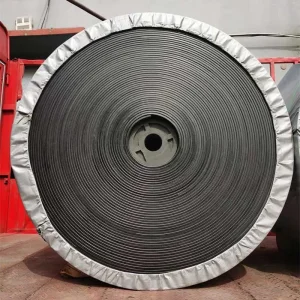
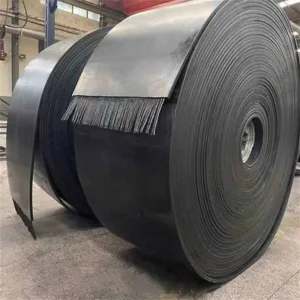
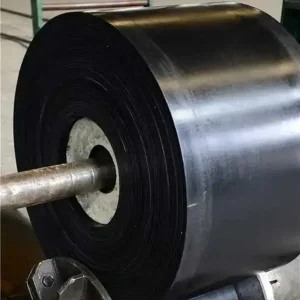
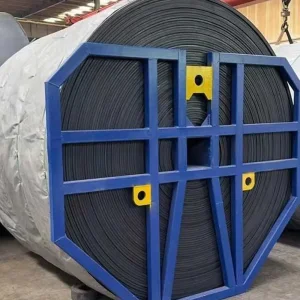
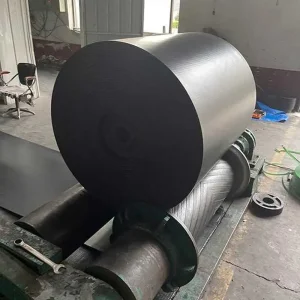
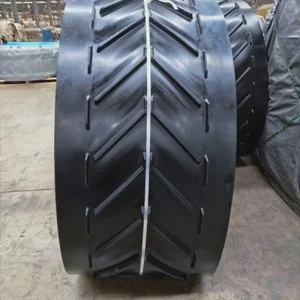
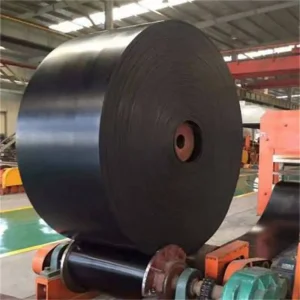
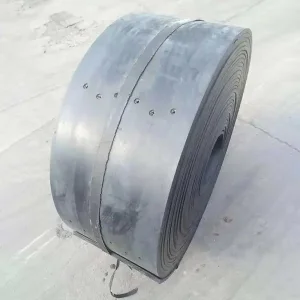
Select from our engineered portfolio of industrial rubber belt conveyor lines, rigorously tested to match top tier mechanical standards.
Years of Industrial Manufacture
Acres of Advanced Production Facilities
Independent Quality Lab Audited
Heavy Industrial Field Cases Spliced
In the modern industrial landscape, rubber conveyor belts have become the backbone of bulk material transport systems across multiple sectors. From mining operations extracting raw materials from deep underground to port facilities handling millions of tons of cargo annually, heavy-duty rubber belts facilitate the seamless movement of materials that power our global economy. The evolution of these critical components reflects decades of engineering innovation, material science breakthroughs, and an unwavering commitment to operational efficiency and safety.
Among all conveyor maintenance processes, the connection joints and repair methodologies dictate the actual lifespan of the handling systems. This whitepaper analyzes the mechanical, chemical, and industrial frameworks behind hot vulcanizing, offering procurement managers, engineers, and operational directors a technical overview of how high-performance hot vulcanizing operations outclass temporary cold bonding alternatives.
According to field-tested studies, up to 80% of conveyor belt structural failures happen due to splice failure or inadequate vulcanization execution. Choosing a certified hot vulcanizing manufacturer ensures the splice zone matches the raw material's molecular composition, preserving tensile integrity up to 95% of the original rating.
Hot vulcanization is a thermodynamic, chemical curing process where linear rubber polymer chains are cross-linked via sulfur bridge molecules under controlled temperatures (typically 140°C to 150°C) and substantial mechanical pressure (usually 1.0 to 1.4 MPa). The heat triggers the vulcanization accelerators, converting the thermoplastic elastomer compound into a highly durable thermoset elastomer state. Unlike cold adhesive cold splicing—which depends on micro-mechanical adhesion and chemical adhesives that decay under dynamic shear stress—hot vulcanizing creates a homogeneous chemical structure across the splice zone. This makes the hot vulcanizing joint fully resistant to humidity, micro-cracks, and environmental weathering, ensuring long-term stability.
Global procurement teams in heavy industry face a critical challenge: minimizing unplanned downtime while driving down total cost of ownership (TCO). In industries like bulk cargo ports, underground coal mining, and automated mineral logistics, every hour of conveyor downtime can result in losses scaling into hundreds of thousands of dollars. The demand for reliable vulcanizing services and materials has consequently shifted from regional contracting suppliers to verified, vertically integrated manufacturers with robust quality control. Enterprise operations require:
Located in the Rubber Industrial Park of Boye County, Baoding, Hebei Province, Hebei Boao Rubber Technology Co., Ltd. (established in 2004, and manufacturing under our registered "Jinao" brand) stands as a prominent industrial manufacturer in China. Spanning over 30 acres, we integrate product development, engineering design, manufacturing, and technical field services for conveyor systems and auxiliary structures.
Our Boye manufacturing facility features advanced production lines for continuous mixing, calendered rolling, steel wire rope forming, high-pressure vulcanizing presses, and a fully equipped chemical analysis laboratory. Our systems adhere to rigorous quality control protocols, assuring that no unqualified raw material enters our production lines, and no finished conveyor belts depart without passing extensive mechanical stress tests.
Engineering-backed quality assurance processes that optimize conveyor belt performance across challenging bulk handling applications.
Our facilities house dedicated chemical analysis rooms and physics testing laboratories. We track every phase of production, from raw polymer sourcing to the final packaging stage, ensuring that all products meet international standard specifications.
With structured inspection protocols and advanced calibration tools, our QA inspectors monitor thickness tolerances, tensile strength limits, elongation ratings, and flame retardancy behaviors on every batch.
Supported by a comprehensive technical field team and robust global supply logistics, Jinao conveyor products serve heavy industrial operations across bulk terminals, cement plants, steel mills, and coal processing centers.
Standard material handling operations rely on different conveyor configurations. Our custom-designed vulcanizing solutions and compound materials address the specific wear profiles of different industries:
| Industry Sector | Common Stress Profile | Material Sourcing Priority | Vulcanization Process Configuration |
|---|---|---|---|
| Mining & Extraction (Coal, Copper, Iron Ore) | Extreme tension, impact cuts, moisture ingress, flame-safe mandates. | Flame-Retardant Steel Wire Rope Core Belts (ISO 340 / MSHA standards). | 1.4 MPa high-pressure hot splicing with sulfur compound primers to prevent cord corrosion. |
| Steel Plants & Foundries | Thermal degradation, cover cracking, high wear. | High Heat-Resistant Rubber Belting (EP / Glass fiber weave, up to 250°C). | Strict thermodynamic cycle monitoring (continuous 145°C) to prevent cover cracking. |
| Cement & Aggregate Ports | Fine dust abrasion, high vertical angles, steep inclines. | High Angle Wavy Edge Rubber Belting / Profiled Pattern Belts. | Hot vulcanized profiles and dynamic wall reinforcements to resist delamination under stress. |
| Chemical & Processing Facilities | Chemical aging, acid/alkali degradation, swelling. | Specialized Acid and Alkali Resistant Belts (NBR / EPDM compounds). | Chemical-resistant barrier sheets within the joint to block chemical penetration. |
The vulcanization field is transitioning toward increased automation and smart diagnostic systems. Key advancements include:
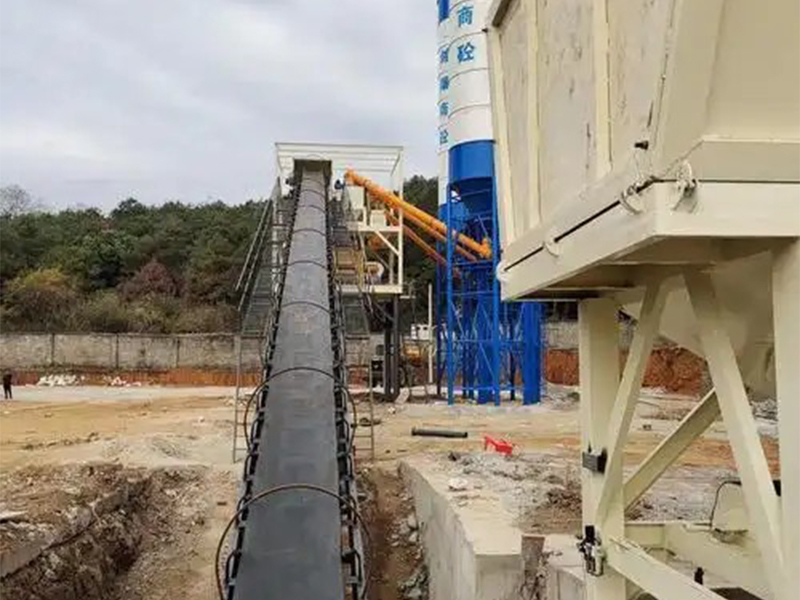
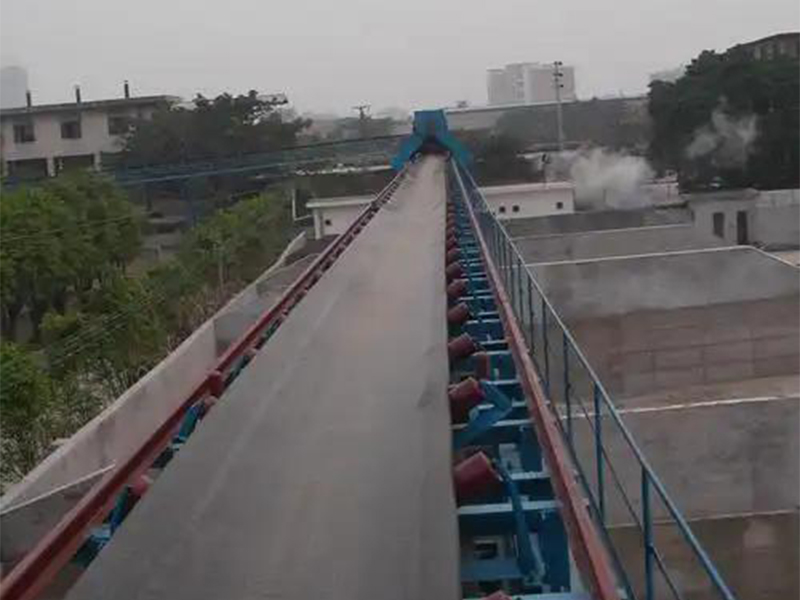
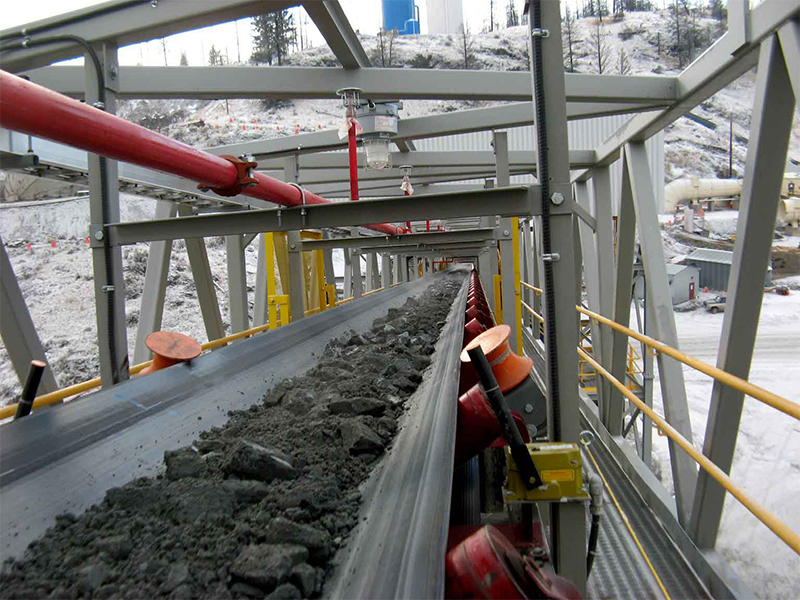
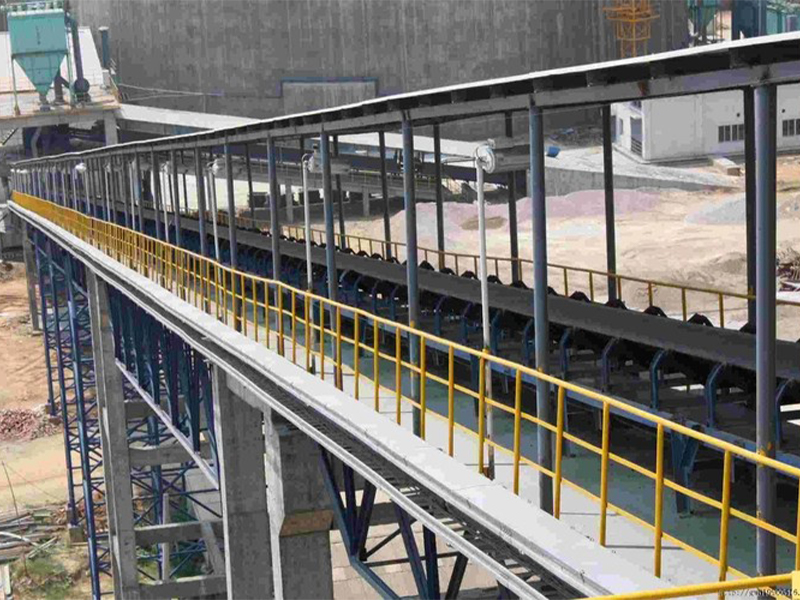
Our products are used in heavy-duty material handling applications for major domestic and international industrial corporations.
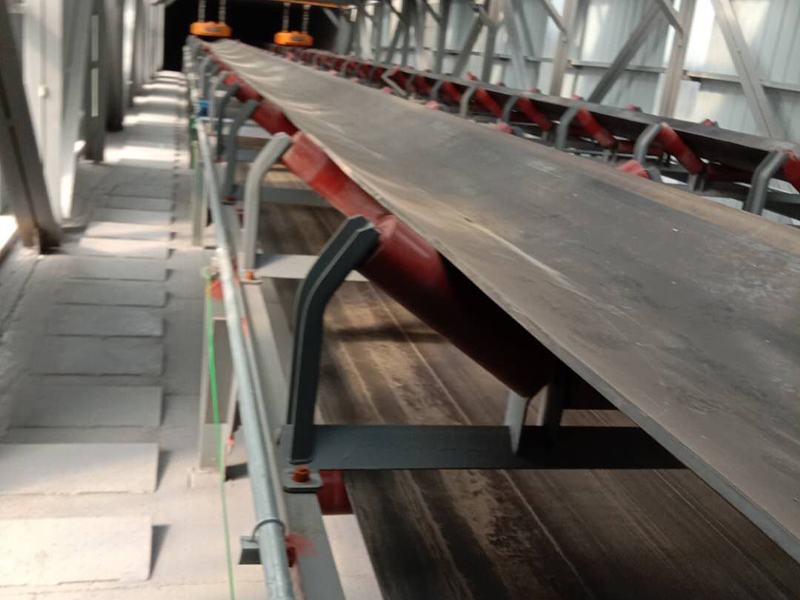
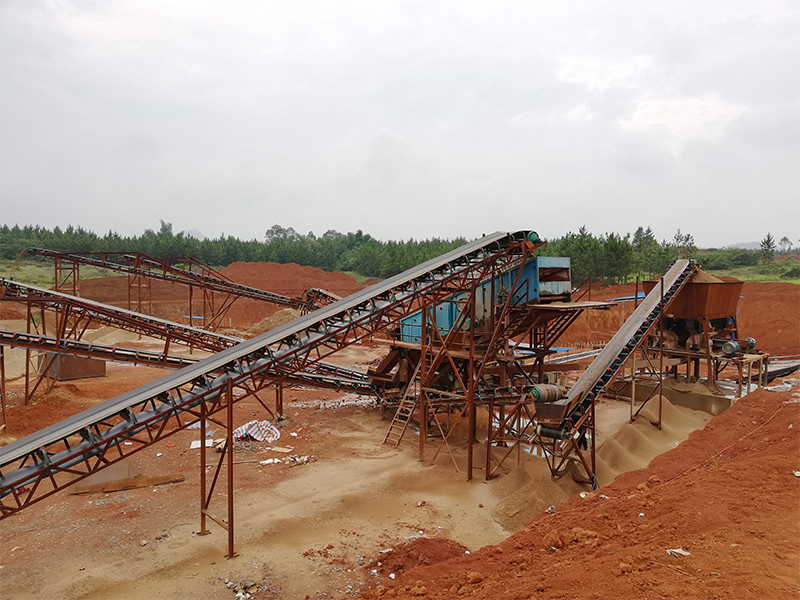
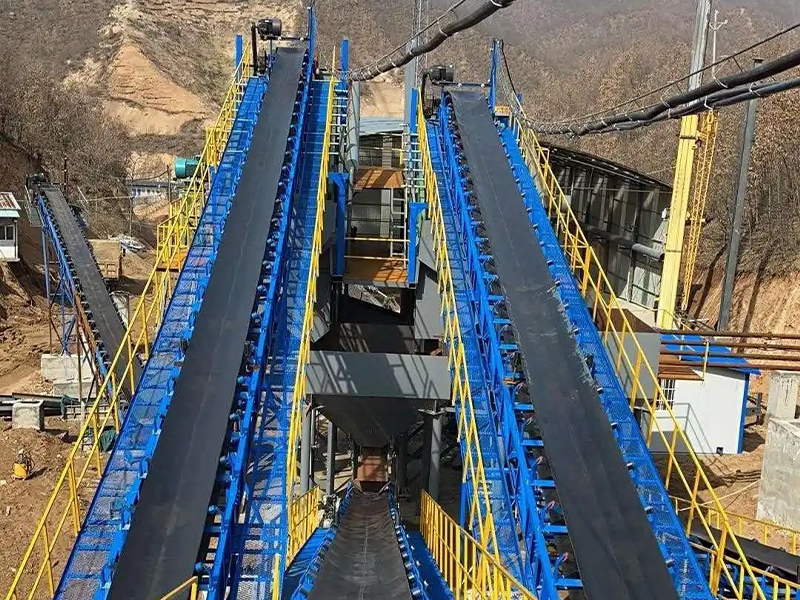
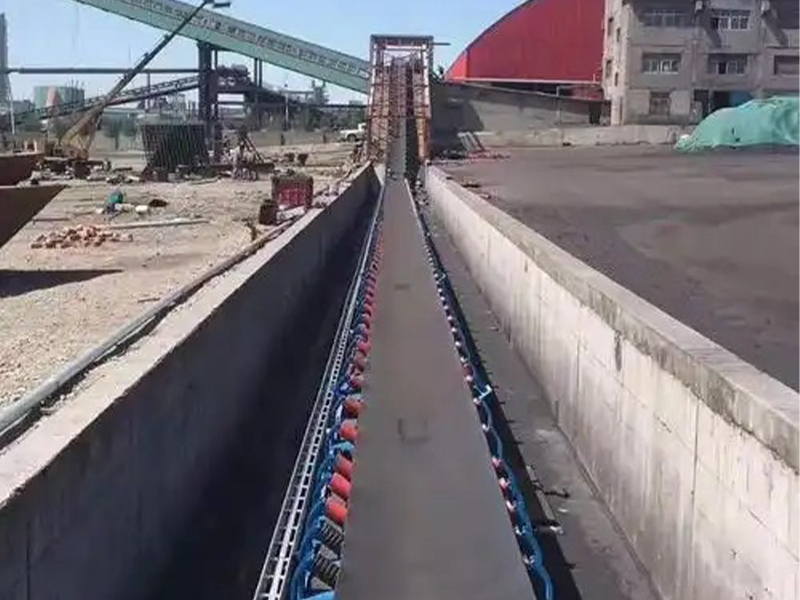
Avoid the complex logistics of coordinating with multiple material suppliers. Hebei Boao Rubber Technology offers complete conveyor system services directly from our factory:
We perform comprehensive technical assessments of operational setups, including alignment monitoring, belt wear checks, and splice joint degradation tests.
Providing customized, uncured raw rubber compounds, cover sheets, and tie gums designed specifically to align with on-site operating parameters.
Delivering rapidly deployable hot splicing equipment to manage emergent belt failures, significantly reducing unplanned operational downtime.
Our primary technical objective is clear: improve the operational efficiency of bulk conveyor systems, extend belt run-times, reduce overall power consumption, and protect mechanical components against friction damage.
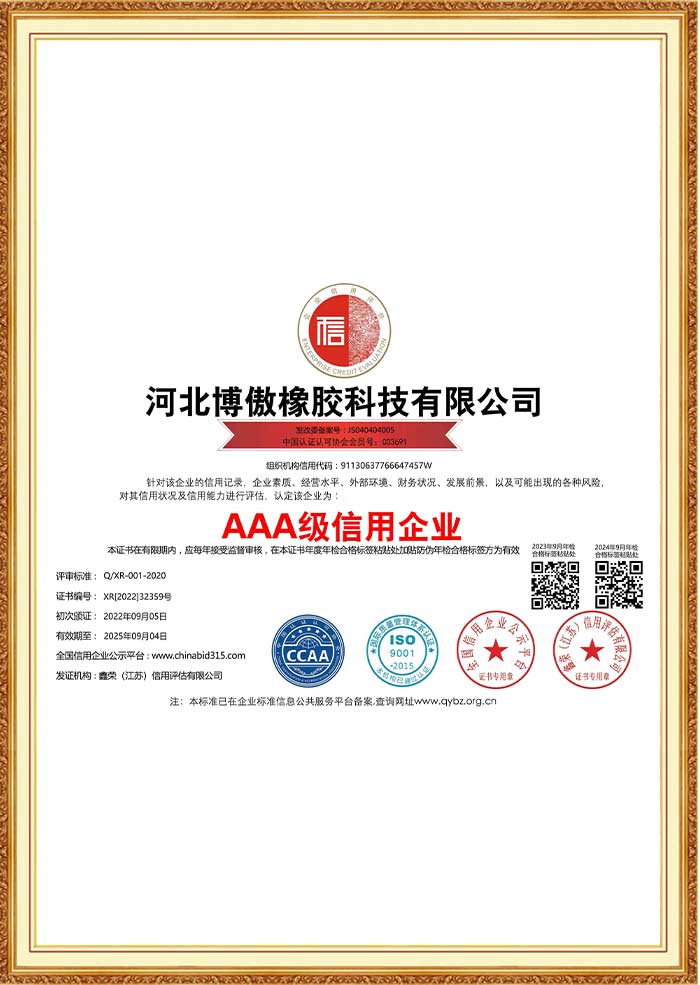
To provide clients with assurance in Jinao product reliability, we maintain ISO 9001 and industry-standard testing certifications.
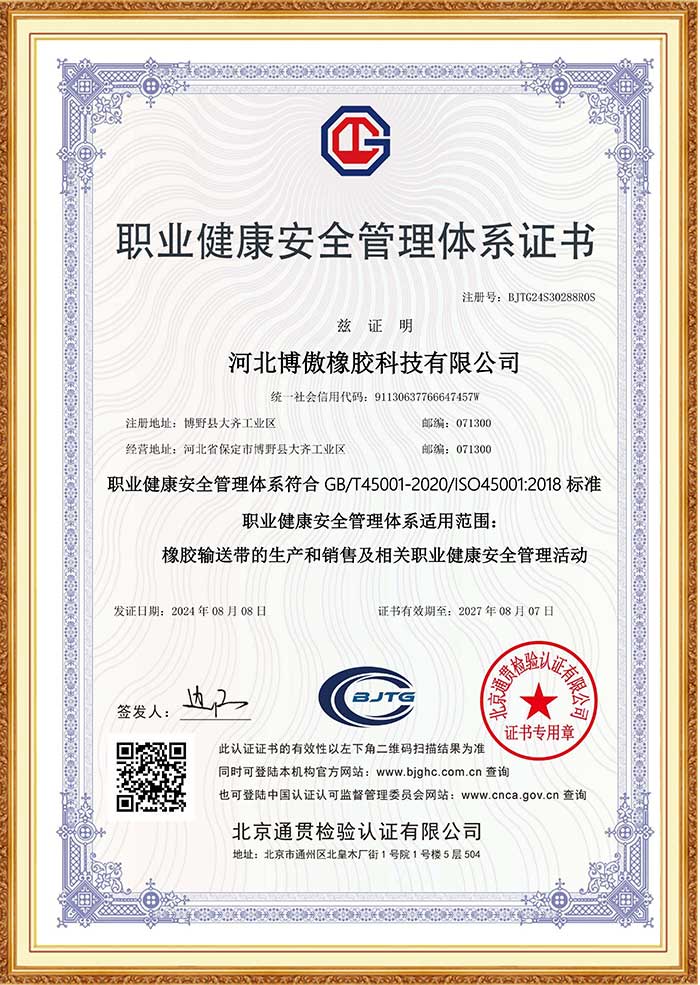
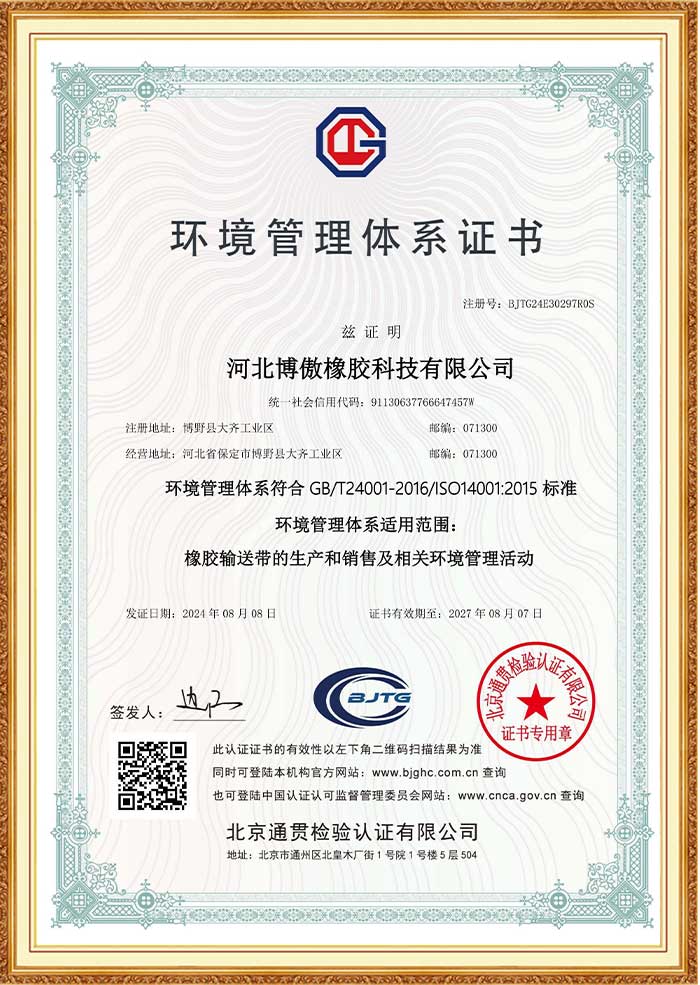
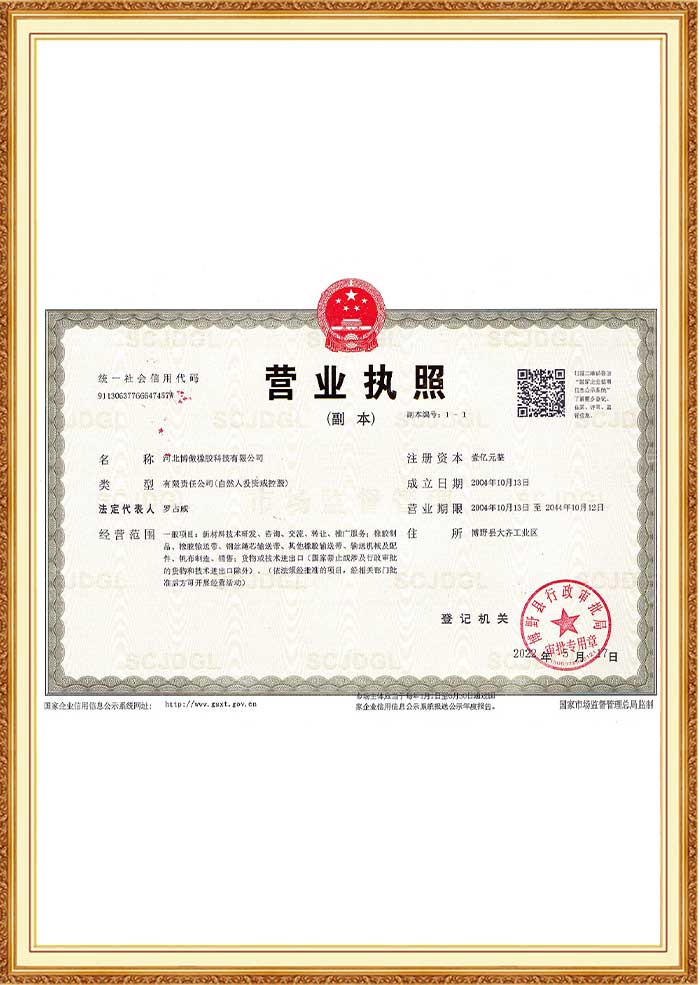
Answers to common technical queries concerning hot vulcanizing, compound material compatibility, and splicing execution.
Connect with the engineering department at Hebei Boao Rubber Technology. We assist with custom rubber compound selection, bulk procurement, and on-site splicing support.
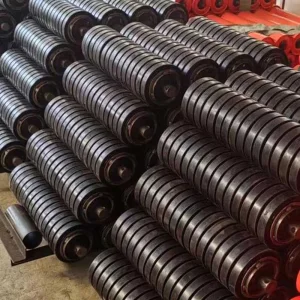
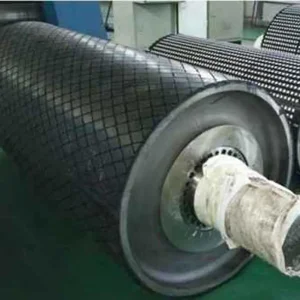
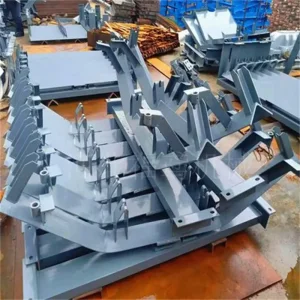
Complete your handling layout with heavy-duty idler rollers, specialized brackets, and protective impact structures.
 Boao Rubber