Top 10 PU Light Duty Conveyor Belts for Global Buyers

Time:2026-10-20 Author:Mason
0%

Choosing among the Top 10 PU Light-Duty Conveyor Belts requires more than comparing prices or glossy product photographs. Global buyers need evidence from real operating conditions. Belt width, pulley diameter, food-contact requirements, surface pattern, tensile strength, and temperature range can change the final decision. A belt running beneath a bakery oven faces different demands from one moving cartons through a warehouse. Small details matter.

R. Todd Swinderman, a recognized conveyor-safety authority and former Martin Engineering executive, states, “Conveyor safety is a process, not a product.” That principle also applies to belt selection. PU Light-Duty Conveyor Belts should be assessed through documented materials, tested performance, installation guidance, and after-sales support. Supplier experience matters, especially when buyers manage multiple climates, voltage standards, and maintenance teams. A technically strong belt can still disappoint if tracking is poor or replacement timing is unclear.

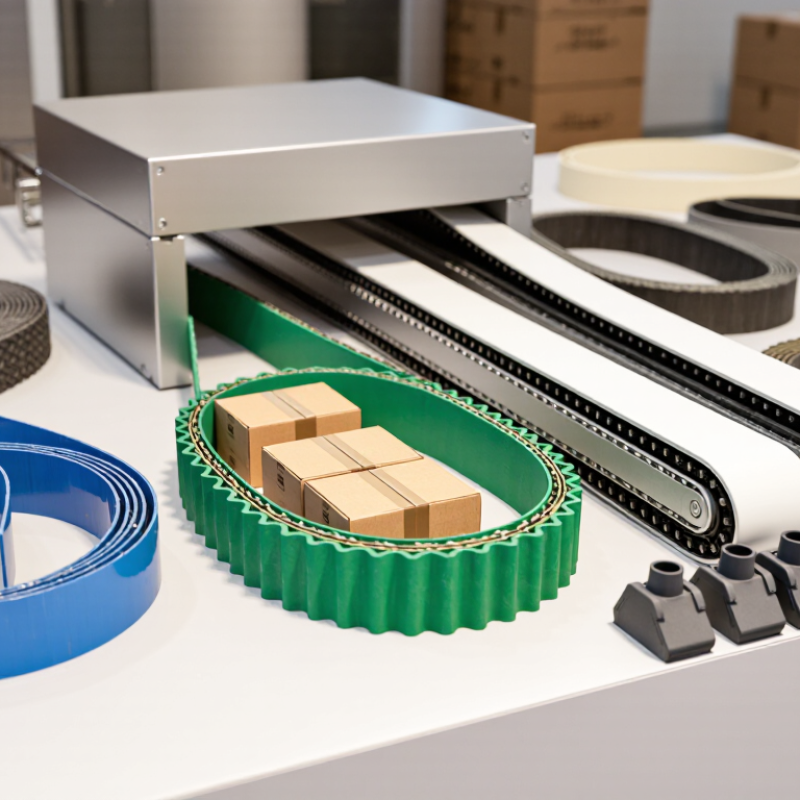
This guide compares ten practical options for international purchasing teams. It examines belt construction, cleanability, grip, noise, flexibility, and expected service conditions. The details are intentionally concrete: a narrow blue belt under washdown lights, a cleated surface carrying small packages, or a smooth belt passing quietly beneath scanners. Not every ranking will fit every factory. That is the uncomfortable truth. Some specifications remain incomplete without site trials and supplier data. Buyers should question attractive claims, request certificates, and confirm compatibility with their conveyors before ordering. Reliability begins with careful questions, not confident assumptions.
Top 10 PU Light Duty Conveyor Belts for Global Buyers

What PU Light Duty Conveyor Belts Are and How They Work

Top 10 PU Light Duty Conveyor Belts for Global Buyers

What PU Light Duty Conveyor Belts Are and How They Work

PU light duty conveyor belts use polyurethane as their conveying surface. They move packaged goods, food items, electronics, and small components across short or medium production lines. The belt usually combines a smooth PU layer with polyester fabric reinforcement. This structure provides flexibility, stable tracking, and moderate tensile strength.

The belt moves when an electric motor turns the drive pulley. Friction between the pulley and belt creates continuous motion. Idler rollers support the belt and reduce sag beneath the product load. A typical line may carry cartons weighing several kilograms, depending on belt width, speed, and frame design.

PU surfaces also resist oils, moisture, and many common cleaning agents. That feature matters in facilities where frequent sanitation is required.

During equipment inspections, technicians often check belt tension, pulley alignment, edge wear, and unusual noise. Excessive tension can damage bearings or shorten belt life. Too little tension may cause slipping and inaccurate product spacing.

A smooth surface is useful, but it can reduce grip on steep conveyors. This trade-off is easy to overlook.

Buyers should verify temperature range, load pattern, cleat requirements, and local electrical standards before ordering. A belt that works well in a dry warehouse may perform poorly near heat, condensation, or sharp product edges. Perfect selection is rare; practical testing remains valuable.

Key Specifications Global Buyers Should Compare

Choosing among the top 10 PU light duty conveyor belts requires more than comparing prices. Global buyers should check belt width, thickness, tensile strength, and maximum load. These figures must match the conveyor’s frame and product weight. A belt may look durable, yet fail quickly on a small pulley.

Surface design also matters. Smooth PU suits cartons and general conveying, while textured surfaces improve grip on inclined lines. Compare operating temperature, belt speed, pulley diameter, and resistance to oil or moisture. For food-related applications, request material declarations, hygiene test reports, and traceability records. Requirements can differ by market. Do not assume one certificate covers every destination.

Tips: Ask for a complete technical sheet and a sample belt. Test it under real load, speed, and cleaning conditions. Check edge stability, tracking, joint quality, and noise. A lower-cost belt may become expensive after repeated replacement. Also review delivery tolerance and after-sales support. In practice, specification tables can be incomplete, so confirm every critical value in writing. I have found that buyers often overlook splice strength and minimum pulley diameter. That mistake can shorten service life before anyone notices.

Top 10 PU Light Duty Conveyor Belts for Global Buyers

Key Specifications Global Buyers Should Compare

The chart compares representative nominal tensile-strength values for commonly specified PU light-duty belt constructions. Buyers should also verify belt thickness, minimum pulley diameter, operating-temperature range, surface profile, splice method, and regulatory requirements for the destination market. Values are non-brand reference figures and should be confirmed against the final technical datasheet.

Top 10 PU Light Duty Conveyor Belts by Application

Top 10 PU Light Duty Conveyor Belts by Application

PU light duty conveyor belts fit clean, controlled processes rather than heavy quarry work. The ten strongest applications are food packaging, bakery lines, beverage filling, pharmaceutical packing, cosmetics, parcel sorting, electronics assembly, solar module handling, textile inspection, and airport baggage preparation. Each application needs a different belt surface, thickness, edge design, and tracking method.

Food and bakery lines often require smooth, easy-to-clean PU surfaces. A belt moving sealed snack bags needs reliable grip at short transfers. Pharmaceutical and cosmetic lines may favor light-colored belts, precise tracking, and low particle shedding.

Electronics assembly benefits from low-static options, but the specification must match the workstation. Parcel sorting demands stronger cleats and better impact resistance. Airport baggage sections may need a heavier construction than standard light duty belts.

MarketsandMarkets estimates the global conveyor system market could grow from about USD 9.4 billion in 2023 to USD 13.2 billion by 2028. Fortune Business Insights also identifies food processing, logistics, and manufacturing as major demand areas. These figures cover complete conveyor systems, not PU belts alone. That distinction matters. In field selection, I would check product temperature, cleaning chemicals, belt tension, and pulley diameter before comparing prices. I have seen attractive belts fail early because the return roller was misaligned. The ranking is useful, but not absolute. A quiet electronics line and a damp bakery line should never share the same specification.

Safety, Hygiene, and International Compliance Requirements

Top 10 PU Light Duty Conveyor Belts for Global Buyers

Safety and hygiene should guide every PU light duty conveyor belt selection. The World Health Organization estimates that unsafe food causes 600 million illnesses annually. It also reports about 420,000 deaths each year. These figures make belt design a food safety issue, not merely a maintenance concern. Buyers should request food-contact declarations, migration test results, and traceability records. Materials must match the destination market, including relevant FDA requirements or EU Regulation 1935/2004.

A hygienic belt should have a smooth, sealed surface. It should resist oil, moisture, cleaning chemicals, and repeated flexing. Check belt edges, splice areas, and pulley contact zones carefully. Small cracks can retain residue after washing. ISO 22000:2018 supports risk-based food safety management, but certification alone does not guarantee suitable belt construction. Cleaning instructions still matter. Look for documented temperature limits, approved detergents, and measurable inspection intervals.

Global buyers should also review REACH-related declarations and machine safety documentation. The European Commission’s machinery safety framework emphasizes risk reduction through design. That principle applies to nip points, tracking, and emergency stops. A lighter belt may reduce energy use, but excessive stretching can create tracking hazards. This is often overlooked. Specifications can appear complete while omitting splice strength, belt elongation, or cleanability under real production conditions. A practical factory trial remains valuable, even when laboratory reports look excellent.

How to Select Suppliers and Evaluate Total Purchase Cost

Top 10 PU Light Duty Conveyor Belts for Global Buyers

Selecting a PU light duty conveyor belt starts with supplier evidence, not a low quotation. Grand View Research valued the broader conveyor belt market at about USD 4.4 billion in 2023. Its forecast also indicates steady growth through 2030. This growth attracts new suppliers, but capability varies widely.

Request belt samples, tensile test results, coating thickness, and batch traceability. Ask for evidence. A polished catalog is not enough.

Compare total purchase cost over three years. Include belt price, freight, import duties, installation, spare belts, cleaning labor, and expected downtime.

A supplier offering a 12% lower price may still cost more if its belt stretches early. Check joining methods and replacement time.

Confirm operating temperature, food-contact documentation where required, oil resistance, and pulley compatibility.

These details prevent expensive surprises. Small prices mislead.

MHI’s 2024 Annual Industry Report found that 55% of surveyed supply-chain organizations use cloud computing. Buyers can use similar digital records to compare delivery accuracy, complaints, test certificates, and warranty claims.

Ask suppliers for failure-rate data from comparable applications. Calculate landed cost by shipment, not by quotation alone. Also compare currency exposure and delivery terms.

I would not trust a lifetime claim without test conditions; even experienced purchasers sometimes overlook cleaning chemicals or sharp product edges. A practical scorecard should weight performance, documentation, service response, and replacement availability, not price alone.

FAQS

Which specifications should global buyers compare first?

Compare width, thickness, tensile strength, maximum load, speed, and temperature range. These must match the conveyor frame and product weight. A strong-looking belt can still fail on a small pulley.

Which surface design suits different conveyor applications?

Smooth surfaces suit cartons, sealed packages, and general conveying. Textured surfaces provide better grip on inclined lines. Choose carefully.

What should buyers test before placing a large order?

Request a technical sheet and a sample belt. Test it with real load, speed, cleaning methods, and transfer conditions. Inspect tracking, edge stability, joints, and noise.

What documents may food-related applications require?

Buyers may need material declarations, hygiene test reports, and traceability records. Requirements differ between markets. One certificate may not cover every destination.

Which applications commonly use light-duty PU conveyor belts?

Common uses include food packaging, bakery lines, beverage filling, parcel sorting, and electronics assembly. Textile inspection and baggage preparation also use them. The best belt depends on the process.

How should buyers calculate the real purchase cost?

Include belt price, freight, duties, installation, spare belts, cleaning labor, and downtime. A lower quotation may hide frequent replacement costs. Small prices mislead.

Which supplier evidence should buyers request?

Ask for samples, tensile test results, coating thickness, batch records, and failure-rate data. Review delivery accuracy, warranty claims, and service response. A polished catalog is not enough.

Which installation details can shorten belt life?

Confirm the minimum pulley diameter, joining method, belt tension, and roller alignment. Misalignment can cause early wear and tracking problems. I have overlooked this before.

Conclusion

This guide explains how Pu Light-Duty Conveyor Belts support the efficient movement of lightweight goods in industries such as food processing, packaging, logistics, electronics, and general manufacturing. It outlines how the belt, drive system, support structure, and tracking components work together, while highlighting the key specifications global buyers should compare, including belt width, length, thickness, surface texture, load capacity, operating speed, temperature range, and resistance to oils or moisture. It also presents ten application-focused belt options to help buyers match belt design with specific production requirements.

In addition, the article emphasizes safety, hygiene, cleanability, and international compliance when belts are used in sensitive working environments. Buyers will learn how to assess suppliers through material quality, technical support, customization capability, documentation, production consistency, and delivery reliability. Finally, it explains how to calculate total purchase cost by considering installation, maintenance, energy use, replacement frequency, shipping, and long-term operating performance rather than focusing only on the initial price.


Mason

Mason

Mason is a seasoned marketing professional with a deep expertise in the company's offerings and a passion for driving brand awareness. With a strong background in digital marketing strategies, he has an innate ability to connect with diverse audiences and effectively communicate product benefits.......