Herringbone Conveyor Belts are essential in various industries, including manufacturing and logistics. These belts enhance conveyor efficiency, which is vital in today’s fast-paced market. According to a recent industry report, the global conveyor belt market is expected to grow at a CAGR of 4.5% from 2021 to 2028. This growth reflects the increasing demand for automated systems.
In many sectors, Herringbone designs offer unique advantages. They provide better grip and reduce slippage, making them suitable for inclined and complex applications. Additionally, the materials used can significantly impact durability and performance. Research indicates that high-quality materials can extend the lifespan of these belts by up to 30%.
However, buyers should be cautious. Not all Herringbone Conveyor Belts are created equal. Quality varies among manufacturers, and selecting the right one requires careful consideration. Reflecting on this, it’s crucial to assess not just the specifications but also the supplier's reputation in the industry. Trustworthy suppliers often share case studies that illustrate their belts' long-term performance. By making informed choices, buyers can enhance their operations significantly.
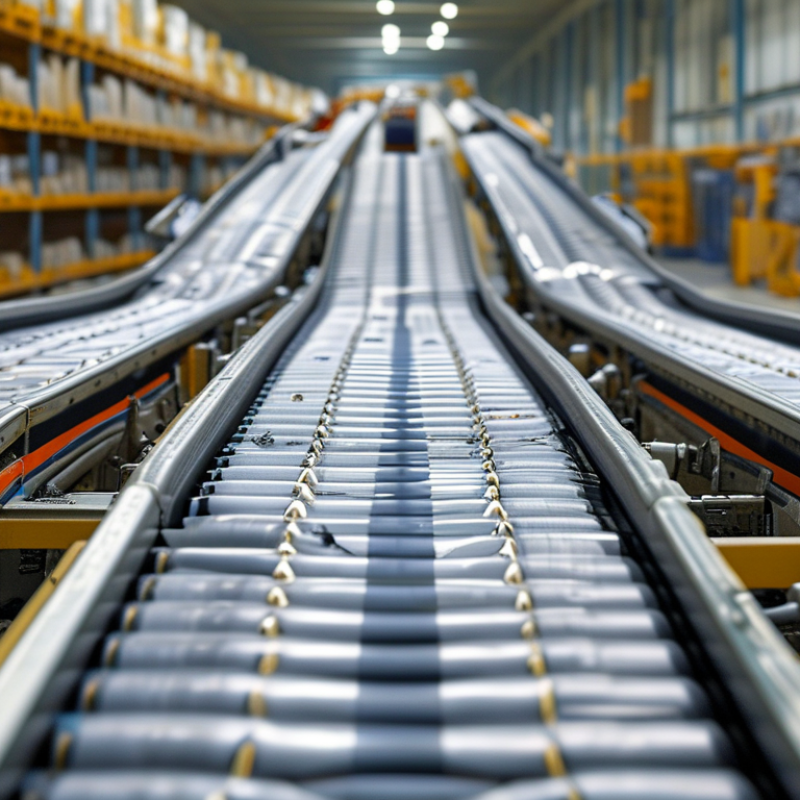
Herringbone conveyor belts are increasingly popular in various industries due to their unique design and functionality. These belts feature a V-shaped pattern that enhances grip and reduces slippage. They are commonly used in packaging, manufacturing, and material handling sectors. Their ability to transport goods smoothly makes them a viable choice for complex systems.
A report from the Conveyor Equipment Manufacturers Association indicates that the global conveyor systems market is projected to reach USD 10 billion by 2027. Herringbone belts play a crucial role in this growth. Many companies use these belts for conveying bulk materials and fragile items. The design accommodates various shapes, ensuring product safety and operational efficiency.
However, it's important to note that not all herringbone belts are created equal. Some belts may wear out faster than expected in high-stress environments. Regular maintenance and careful selection based on the application are vital. Users should consider material compatibility and load capacity. Industry analysis suggests that improper installation or neglecting wear can lead to costly downtimes.
When selecting herringbone conveyor belts, several key features demand attention.
The material is crucial. Durable materials enhance longevity.
The right choice ensures the belt withstands wear while providing efficiency. Consider the
weight capacity as well. Different applications
require different load tolerances. A belt that can't handle its load will fail, leading to costly
downtimes.
Another aspect is the belt width and length. These dimensions must fit your machinery
precisely. Measure carefully to avoid mismatches. Additionally, the belt's pattern affects grip
and movement. Herringbone patterns offer unique advantages in material flow. They provide effective
tracking and reduce slippage. Examine the design's influence on handling diverse materials.
Tips: Ensure proper installation. A poorly
installed belt can lead to premature wear. Regular maintenance checks are essential for long-term
performance. Watch for signs of wear and address them promptly. Selecting the right supplier can
also make a difference. Look for companies with solid reputations and expert advice on conveyor systems.
Herringbone conveyor belts are essential in various industries, such as food processing and logistics. Their unique design provides excellent grip and efficient material transport. The global market for these belts has been growing steadily, driven by increased automation and demand for improved material handling solutions. According to a recent report, the herringbone conveyor belt segment is projected to continue expanding at a CAGR of over 6% through 2028.
Top manufacturers of herringbone conveyor belts are located in different regions worldwide. North America and Europe hold significant market shares, thanks to advanced manufacturing technologies. Reports indicate that Asia-Pacific is also emerging as a key player. Rising investments in manufacturing and retail in countries like China and India contribute to this trend. However, not all manufacturers meet the same quality standards, which can lead to performance issues.
The industry often faces challenges such as fluctuating material costs and increasing competition. Moreover, some companies struggle to adopt sustainable practices. As buyers look for reliable solutions, they must critically evaluate manufacturers. This process can reveal both strengths and weaknesses in the suppliers' offerings. Adopting a well-informed approach is crucial for buyers to ensure they invest in high-quality herringbone conveyor belts.
When considering herringbone conveyor belts, the market presents various options tailored to specific needs. Each model has unique features based on material choice, design, and application. The prevailing materials include PVC, rubber, and polyethylene, each serving distinct industries such as food processing, automotive, and packaging.
Analyzing the leading herringbone conveyor belt models reveals notable differences in performance. Some belts excel in lightweight environments, while others offer exceptional durability in heavy-duty applications. Flexibility in design is also crucial. Many models allow for custom widths and lengths, catering to diverse operational requirements. However, the significance of proper maintenance often gets overlooked. Regular cleaning and tension adjustments can enhance the lifespan of these belts, yet many users neglect these practices.
Furthermore, the choice of herringbone pattern can impact material handling efficiency. Some patterns provide better grip for inclined surfaces, reducing slippage. In contrast, the performance of others may decline under certain load conditions, necessitating deeper research into user requirements. This variability emphasizes the importance of expert consultation and careful assessment when selecting the right herringbone conveyor belt for specific operations.
| Model | Material | Width (mm) | Load Capacity (kg/m²) | Temperature Resistance (°C) | Life Span (Years) |
|---|---|---|---|---|---|
| Model A | Polyurethane | 300 | 120 | 80 | 6 |
| Model B | PVC | 450 | 150 | 70 | 5 |
| Model C | Nylon | 600 | 200 | 90 | 7 |
| Model D | Rubber | 500 | 250 | 60 | 8 |
| Model E | Polyester | 350 | 130 | 85 | 5 |
| Model F | PVC | 550 | 160 | 60 | 4 |
| Model G | Nylon | 700 | 220 | 95 | 9 |
| Model H | Rubber | 400 | 180 | 70 | 6 |
| Model I | Polyurethane | 800 | 300 | 100 | 10 |
| Model J | Polyester | 650 | 170 | 65 | 5 |
Herringbone conveyor belts are essential in various industries. They enhance product transition, ensuring efficiency in operations. To ensure these belts perform optimally, maintenance is crucial. Regular inspections are key. Data indicates that 30% of system failures are due to inadequate maintenance. This is a significant concern for operations relying on these belts daily.
Proper cleaning is vital for longevity. Accumulated debris can lead to friction and wear. Reports show that belts can last up to 15% longer with routine cleaning schedules. Utilizing the right cleaning agents can prevent material degradation. Check for signs of wear regularly. Small cracks can escalate into larger issues. Ignoring these signs can lead to costly downtimes.
Lubrication plays a critical role as well. Appropriate lubricants can minimize friction. However, over-lubrication can attract dust and debris. It's a balancing act. Training staff on these maintenance techniques can boost belt lifespan. Knowledge sharing creates a more informed team, ultimately leading to better performance metrics. Reassessing maintenance protocols periodically can uncover inefficiencies. This reflective approach can lead to enhanced operational reliability.
: Durable materials enhance the belt's longevity. Choosing the right material prevents quick wear.
Different applications need varied load tolerances. A belt that can't support its load will fail.
Measure the required widths and lengths carefully. Mismatches can lead to installation issues.
Herringbone patterns improve grip and material flow. They reduce slippage effectively.
Proper installation is crucial. A poorly installed belt wears out faster.
Regular checks for wear are essential. Address signs of wear quickly to avoid failures.
Look for reputable companies with expertise. Evaluating their strengths and weaknesses is important.
Fluctuating material costs and competition can impact quality. Not all manufacturers maintain standards.
Increased automation and demand for efficient handling are driving growth in this segment.
Critically assess their offerings. A well-informed approach ensures quality investments.
Herringbone conveyor belts are essential components in various industries, known for their unique design that facilitates efficient material handling. This article provides a comprehensive overview of these belts, highlighting their diverse applications across sectors such as manufacturing, logistics, and food processing. When selecting herringbone conveyor belts, it is crucial to consider key features such as durability, load capacity, and the specific requirements of the operating environment.
Additionally, the article offers insights into the top manufacturers of herringbone conveyor belts globally, enabling buyers to make informed decisions. A comparative analysis of leading models showcases their strength and suitability for different tasks. Lastly, practical maintenance and longevity tips are provided to ensure optimal performance and extend the lifespan of herringbone conveyor belts, making them a reliable choice for material transport solutions.

Boao Rubber