In the realm of material handling, Conveyor Idlers play a pivotal role in enhancing operational efficiency. These components, often overlooked, are crucial for load support and minimizing friction in conveyor systems. According to a recent industry report by Market Research Future, the global conveyor systems market is projected to reach USD 13.5 billion by 2027, driven largely by advancements in manufacturing and logistics. Understanding the types and applications of Conveyor Idlers is vital for optimizing performance.
Conveyor Idlers significantly impact the lifespan and maintenance costs of conveyor systems. A study published by the Conveyor Equipment Manufacturers Association indicates that proper selection and maintenance of idlers can reduce downtime by up to 30%. Many operators, however, fail to regularly assess their idler systems, which can lead to inefficiencies. The subtle intricacies involved in selecting the right idlers often lead to common mistakes that hinder productivity.
When examining your conveyor setup, it's essential to delve into the specific idler types such as trough, return, or impact idlers. Each type is tailored for distinct operational conditions and load requirements. As awareness grows around the importance of Conveyor Idlers, so does the need for informed decisions based on real-time data and operational feedback. Emphasizing continual learning and adaptation is crucial in this ever-evolving landscape of material handling.
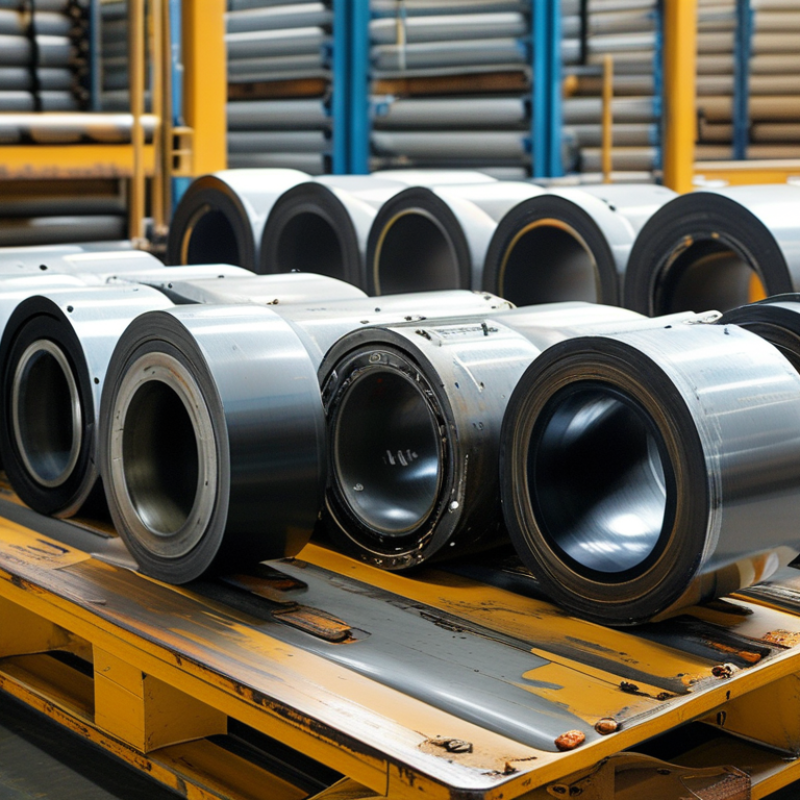
When it comes to optimizing material handling efficiency, understanding conveyor idlers is crucial. Conveyor idlers support the conveyor belt and influence its performance. Selecting the right idler can significantly improve the flow of materials.
One common type is the impact idler. These are designed to cushion materials as they fall onto the belt. They reduce wear and tear on both the belt and structure, which is often overlooked. Another important option is the return idler. These idlers help keep the belt aligned and minimize friction. Improper functioning can lead to misalignment issues, wasting energy.
Despite advancements, not all idlers work perfectly. Some may result in excessive noise during operations. Frequent inspection is necessary to prevent downtime. Operators should assess wear levels regularly. This proactive approach ensures that systems run smoothly and materials are handled efficiently.
Conveyor idlers play a vital role in material handling systems. They support and guide the conveyor belt, ensuring efficient operations. There are various idler types, each designed for specific applications. For instance, trough idlers are common in bulk material transport. They maintain belt alignment and reduce spillage. Their design allows for better load support, enhancing overall efficiency.
Another type is return idlers, which guide the belt back to its starting position. They are often overlooked, but they are crucial in minimizing wear and tear. Impact idlers help absorb shocks from heavy loads. They protect the belt and the structure from damage. Each type of idler contributes uniquely to the conveyor system's performance.
Understanding these idler types is essential for optimizing operations. However, choosing the right one can be challenging. Sometimes, companies use incorrect idlers, which leads to increased maintenance costs. It's important to evaluate specific operational needs before making decisions. This evaluation can enhance both reliability and efficiency in the long run.
Selecting the right conveyor idler can significantly enhance operational efficiency. Key performance metrics play a crucial role in this selection process. Load capacity is vital; it determines how much weight an idler can handle without compromising performance. A robust idler should support the system's weight load and material flow effectively.
Another key metric is belt alignment. Proper alignment reduces wear and tear on both the conveyor belt and the idlers. Misalignment can lead to increased maintenance costs and decreased equipment lifespan. It's essential to regularly check alignment status and make adjustments as needed.
Roller material is also a critical factor. Different environments require specific materials to withstand wear, corrosion, or harsh conditions. Selecting the appropriate roller material enhances durability and reliability. If the conditions change, there might be a need to reassess the initial choice. Each operational setting presents unique challenges, making careful consideration essential.
The configuration of conveyor idlers plays a crucial role in the reliability and lifespan of conveyor systems. Properly selected idler types and placements can reduce the strain on belts and prevent wear. Research indicates that up to 30% of conveyor failures are linked to idler issues. This highlights the importance of informed decision-making when choosing idlers.
In terms of lifespan, using high-quality materials can lead to an increase of 20-50% in the longevity of idlers. For instance, rubberized idlers tend to absorb shock better than standard metal ones. This shock absorption minimizes bounce and reduces the likelihood of misalignment. Regular maintenance and monitoring of idler condition can also contribute significantly to operational efficiency.
It's essential to recognize the balance between cost and quality. Some companies may opt for cheaper idlers, only to see higher replacement costs due to premature failures. The key takeaway is that an optimized configuration of conveyor idlers can enhance both system reliability and overall performance. Thoughtful planning and careful selection are critical to achieving these goals.
| Idler Type | Configuration | Load Capacity (kg) | Lifespan (Years) | Key Benefits |
|---|---|---|---|---|
| Standard Idler | 3-roll | 1000 | 5-10 | Reliable and Cost-effective |
| Impact Idler | Heavy-duty | 1200 | 6-12 | Reduces Conveyor Damage |
| Self-aligning Idler | 5-roll | 800 | 8-14 | Prevents Belt Misalignment |
| Return Idler | Flat | 1500 | 5-10 | Improves Circuit Efficiency |
| Ceramic Idler | High-Performance | 700 | 10-15 | High Wear Resistance |
Maintaining conveyor idlers is critical for operational efficiency. Idlers, often overlooked, play a vital role in supporting the conveyor belt. Their performance directly impacts material handling processes. According to industry reports, idler failure can lead to 15-30% of operational downtime. Routine inspections help in identifying wear and tear early. A visual check can reveal misalignment or damage that can escalate if ignored.
Proper lubrication is another key aspect. Studies show that well-lubricated idlers can extend their lifespan by up to 50%. Operators should adhere to specific grease intervals based on the manufacturer's guidelines. Over-lubrication can lead to bearing failures, which is a common pitfall. Additionally, employees must be trained to understand the signs of wear to prevent unexpected breakdowns.
Regular cleaning of idlers is essential too. Accumulation of dirt and debris can reduce roller performance. Neglecting this aspect can result in increased friction and energy consumption. Inconsistent maintenance practices create inefficiencies in material handling systems. Ensuring that maintenance crews follow a structured schedule can mitigate many common problems, fostering a more reliable operation.
The following chart displays the performance metrics of the top 5 conveyor idlers based on key factors such as durability, resistance to wear, and cost-effectiveness. This data is vital for maintenance and upkeep in operations.
: Conveyor idlers support and guide the belt, ensuring efficient material handling operations.
Common types include trough idlers, return idlers, and impact idlers, each serving unique functions.
Return idlers minimize wear and tear by guiding the belt back to its starting position.
Consider factors like load capacity, belt alignment, and roller material to enhance performance.
Using wrong idlers can increase maintenance costs and disrupt operational efficiency.
Conduct routine inspections and ensure proper lubrication to extend lifespan and performance.
Misalignment can lead to excessive wear, increased maintenance costs, and shorter equipment lifespan.
Regular cleaning is vital to prevent debris accumulation, which can increase friction and energy use.
Over-lubrication can lead to bearing failures, presenting a significant maintenance challenge.
Training helps employees recognize signs of wear and take preventive steps to avoid breakdowns.
In the realm of material handling, understanding the role of Conveyor Idlers is crucial for optimizing operational efficiency. This article outlines five essential types of conveyor idlers, each suited for specific applications, helping organizations make informed decisions. It emphasizes the importance of selecting the right idler based on key performance metrics, such as load capacity and durability.
Moreover, the configuration of conveyor idlers significantly impacts the reliability and lifespan of the entire system. Proper maintenance and adherence to best practices play a vital role in ensuring the longevity of these components. By prioritizing the right conveyor idlers and maintaining them effectively, businesses can achieve seamless material flow and reduce downtime in their operations.

Boao Rubber