Selecting the right supplier matters when conveyor performance affects production speed, safety, and maintenance costs. This guide introduces the Top 10 Polyester Rubber Conveyor Belt Suppliers, focusing on practical capabilities rather than marketing claims. Each supplier is considered through product quality, manufacturing experience, technical support, customization, and delivery reliability.
A Polyester Rubber Conveyor Belt combines polyester fabric strength with a durable rubber cover. This structure supports steady material handling in mining, cement, ports, recycling, and general manufacturing. Strong suppliers should provide clear specifications, including belt width, tensile strength, cover grade, ply construction, and operating temperature. Their technical teams should also explain splice methods, pulley requirements, and suitable rubber compounds. Small details matter.
Real purchasing decisions require more than a supplier’s website. Factory audits, sample testing, customer references, and certification checks can reveal important differences. A dependable manufacturer should communicate honestly about lead times, tolerances, warranty terms, and possible limitations. No ranking is perfect. Regional shipping conditions and application demands can change the final choice. Buyers should compare documented performance with their own operating environment, including impact loads, moisture, abrasion, and material size. A belt that performs well in one quarry may fail early in another facility. That is why this overview combines industry knowledge with practical evaluation points, while recognizing that supplier data can change. Verify everything. The strongest choice is not always the largest company, but the one that offers consistent quality, responsive engineering support, and evidence of long-term reliability.
Top 10 Polyester Rubber Conveyor Belt Suppliers
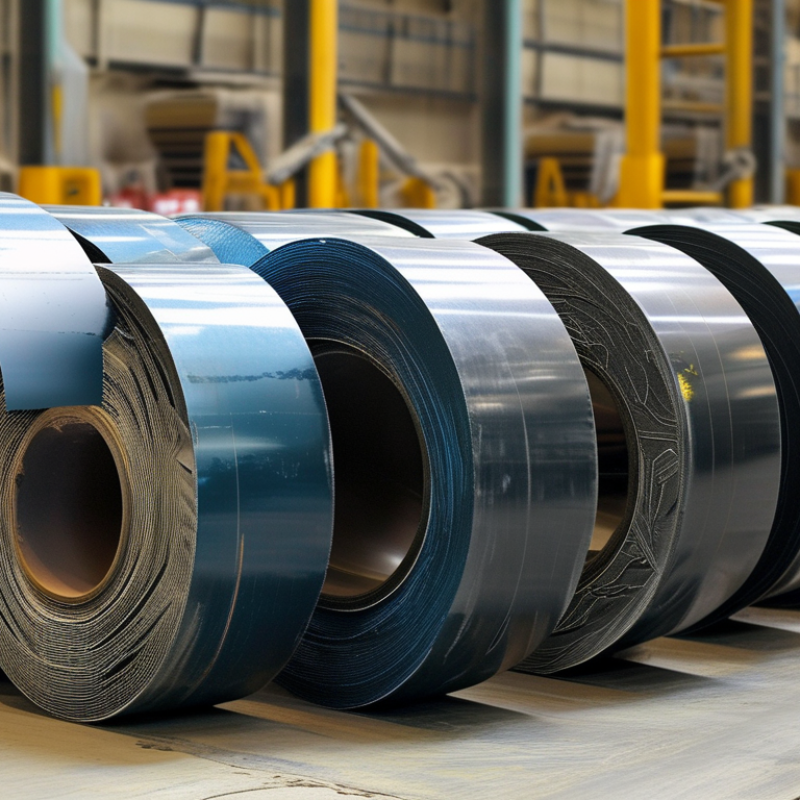
Polyester rubber conveyor belts combine polyester fabric with durable rubber compounds. The fabric usually carries tensile loads, while the rubber protects it from impact, moisture, and abrasion. In practical installations, this structure supports steady movement under repeated tension. It also limits belt stretch compared with many less stable textile constructions.
A belt’s strength depends on more than its stated rating. Check the fabric weave, cover thickness, splice design, and rubber hardness. A thicker top cover helps when crushed stone strikes the surface. A softer compound may grip better, but it can wear faster against sharp material. This trade-off matters.
Polyester belts resist humidity well. They also track reliably when correctly aligned. Poor pulley alignment can still cause edge damage, even with excellent materials. Keep that in mind. Operating temperature, belt speed, trough angle, and transported material should guide selection. Supplier documentation should include tensile strength, elongation, cover grades, and recommended pulley diameters.
In field inspections, small cracks near the splice often reveal installation stress rather than simple aging. That observation is not universal, but it deserves attention. I would not choose a belt from tensile strength alone. Laboratory figures may look impressive, while real performance depends on loading patterns, cleaning habits, and maintenance intervals. A technically suitable belt can still fail early when the conveyor structure is neglected.
Anonymized supplier profiles and representative polyester-rubber conveyor belt specifications
| Supplier Profile | Typical Production Region | Belt Construction | Key Material Features | Typical Tensile Strength | Common Width Range | Cover Rubber | Operating Temperature | Common Applications | Relevant Standards |
|---|---|---|---|---|---|---|---|---|---|
| Supplier Profile 01 | East Asia | EP fabric carcass; multi-ply | Low elongation, strong adhesion, good troughability and flex resistance | 315–2000 N/mm | 500–2200 mm | General-purpose abrasion resistant | −25°C to +80°C | Aggregates, sand, gravel and bulk material handling | ISO 14890; DIN 22102 |
| Supplier Profile 02 | South Asia | EP textile carcass; 3–5 plies | Balanced strength-to-weight ratio, impact tolerance and dimensional stability | 400–1600 N/mm | 500–2000 mm | Abrasion-resistant rubber | −25°C to +80°C | Cement, limestone, coal and mineral processing | ISO 14890; AS 1333 |
| Supplier Profile 03 | Southeast Asia | EP carcass with reinforced edge construction | High tear resistance, improved edge durability and reliable splice performance | 500–2500 N/mm | 650–2400 mm | High-abrasion rubber | −30°C to +80°C | Quarries, crushers, transfer points and heavy-duty conveyors | ISO 14890; DIN 22102 |
| Supplier Profile 04 | Europe | EP multi-ply carcass; hot material grade | Heat-resistant rubber compound, stable adhesion and controlled cover hardening | 400–1600 N/mm | 500–2200 mm | Heat-resistant rubber | Up to approximately 120°C continuous | Clinker, foundry materials, sinter and hot mineral products | ISO 4195; ISO 14890 |
| Supplier Profile 05 | North America | EP straight-warp or multi-ply textile design | High impact resistance, low stretch and durable rubber-to-fabric bonding | 630–3150 N/mm | 600–2400 mm | Impact and abrasion resistant | −30°C to +80°C | Mining, hard-rock handling and large transfer systems | ISO 14890; CEMA design practices |
| Supplier Profile 06 | East Asia | EP carcass with oil-resistant cover compound | Resistance to mineral oils, improved swelling control and flexible fabric structure | 315–1600 N/mm | 500–2000 mm | Oil-resistant rubber | −25°C to +80°C | Grain, fertilizer, wood products and oil-contaminated materials | ISO 1817; ISO 14890 |
| Supplier Profile 07 | Central Europe | EP multi-ply with flame-retardant cover | Flame resistance, antistatic properties and controlled electrical resistance | 400–2000 N/mm | 500–2200 mm | Flame-retardant and antistatic | −25°C to +80°C | Underground mining, coal handling and enclosed conveyors | ISO 340; ISO 284 |
| Supplier Profile 08 | South America | EP fabric carcass with high-abrasion covers | Tough rubber surface, good gouge resistance and dependable outdoor performance | 500–2000 N/mm | 600–2200 mm | High-abrasion rubber | −30°C to +80°C | Iron ore, copper ore, quarrying and port terminals | ISO 14890; DIN 22102 |
| Supplier Profile 09 | Middle East | EP multi-ply; weather-resistant cover | Ozone and weather resistance, moderate elongation and strong cover adhesion | 315–1600 N/mm | 500–2000 mm | Weather and abrasion resistant | −25°C to +80°C | Outdoor stockpiles, cement plants and bulk terminals | ISO 1431; ISO 14890 |
| Supplier Profile 10 | Australia and Oceania | Heavy-duty EP carcass with engineered splice area | High fatigue resistance, stable tracking and suitability for long conveying distances | 630–3150 N/mm | 750–2400 mm | Heavy-duty abrasion resistant | −30°C to +80°C | Long-distance mining, overland conveyors and bulk export facilities | ISO 14890; AS 1333 |
Suppliers are judged using measurable evidence, not advertising claims. Quality control receives 30% of the score. Product performance receives another 30%. Delivery, support, and stability share the remaining points. Clear records matter.
Evaluators may review ISO 14890 and DIN 22102 requirements. Checks include belt dimensions, cover quality, tensile strength, and splice performance. Certificates help, but they are not enough. Traceable batch records provide stronger evidence.
Polyester fabric supports dimensional stability during operation. Rubber covers resist impact, moisture, abrasion, or heat. Review adhesion, elongation, cover wear, and temperature tolerance. Small differences can become costly.
A belt can pass factory tests and still struggle in harsh service. Teams may inspect samples after repeated loading. References from mining, cement, and bulk-material sites can reveal practical performance. Factory appearance proves little.
Not necessarily. A cheaper belt may cause longer stoppages or damaged pulleys. Frequent replacement can erase the original saving. Price still matters, but it should not dominate the decision.
Options may include width, thickness, carcass layers, cover grade, and edge style. Surface patterns, cleats, guide profiles, and perforations may support special conveyor layouts. Pulley diameter and splice methods also require review.
Strength should match load, speed, incline, and material size. Sharp materials may require stronger abrasion protection. Steep conveyors may need surface features or special joining arrangements. Guesswork remains risky.
No ranking is perfectly objective. Climate, material size, belt speed, and maintenance skills can change results. Some assumptions may fail after trial operation. Short trials and documented revisions improve confidence. Keep questioning the result.
This guide presents the essential features of a Polyester Rubber Conveyor Belt, including its polyester fabric reinforcement, rubber cover properties, tensile strength, flexibility, abrasion resistance, and suitability for demanding material-handling environments. It explains how suppliers are evaluated for a top-ten ranking by considering product consistency, manufacturing capability, testing procedures, certifications, delivery reliability, technical support, and customer service. The comparison focuses on suppliers that can provide dependable solutions for different industries and operating conditions.
The article also reviews the typical product ranges, technical standards, belt structures, cover grades, width and length options, jointing methods, and customization services available from leading suppliers. Readers will learn how to compare quality, service, and total cost rather than relying only on the initial purchase price. Factors such as service life, maintenance requirements, energy efficiency, replacement support, and after-sales assistance are considered to help buyers select a suitable Polyester Rubber Conveyor Belt supplier for long-term operational value.

 Boao Rubber