Selecting the right Self-Aligning Idlers is crucial for efficient conveyor systems. According to a report by the Conveyor Equipment Manufacturers Association, improper idler selection can lead to productivity losses of up to 20%. This figure highlights the importance of making informed decisions.
One must consider several factors when choosing Self-Aligning Idlers. The material, design, and load capacity are essential. Industry experts recommend evaluating the specific application needs to ensure alignment and stability. A focus on detailed specifications helps minimize operational issues and maximize longevity.
Choosing Self-Aligning Idlers is not a straightforward task. Even seasoned professionals face challenges due to evolving technology and diverse operational environments. Continuous learning and staying updated on industry standards are vital to making sound choices. A tailored approach based on unique system requirements is often more effective than following trends blindly.
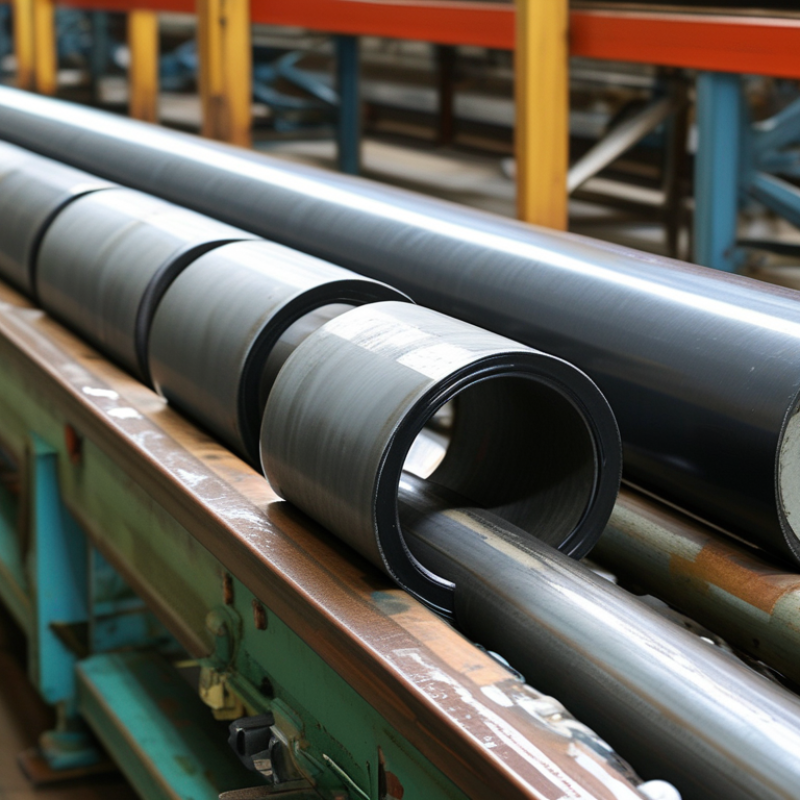
When selecting self-aligning idlers, assessing load capacity is crucial. Understanding the weight your idlers will support allows for safer and more efficient operations. Start by determining the total load required by your system. This should include the weight of materials and any additional forces from the system’s movement.
Many overlook the importance of environmental factors. Temperatures, humidity, and dust can affect performance. In harsh environments, you may need heavier-duty idlers. Consider the angle of your conveyor system too. The steeper the angle, the more stress the idlers face. Make sure your load capacity accounts for these variations.
Reflecting on past experiences can be beneficial. Did the idlers perform well under peak load conditions? Were there any failures? Gathering this knowledge can guide future selection. Ultimately, balancing load capacity with operational conditions is essential for lasting performance. When in doubt, consult with experts to ensure the best choice for your project.
| Tip | Description | Load Capacity (lbs) | Recommended Material |
|---|---|---|---|
| 1. Assess Load Requirements | Determine the maximum load that the idler will carry to ensure proper sizing. | 800 | Steel |
| 2. Consider Environmental Conditions | Evaluate the exposure to moisture, dirt, and temperature variations. | 600 | Rubber |
| 3. Check Alignment Features | Self-aligning designs help maintain correct tracking of the belt. | 1000 | Plastic |
| 4. Evaluate Wear Resistance | Select materials that can withstand abrasion and impact for durability. | 500 | Composite |
| 5. Review Manufacturer Specifications | Always refer to specific load ratings and durability data provided. | 1200 | Aluminum |
: Environmental conditions, operational settings, and design of the idler system all play significant roles in alignment precision.
Extreme climates may require specialized materials, impacting lifespan and alignment performance.
Misalignment can lead to increased energy consumption and accelerated wear on components. Regular monitoring is essential.
Poor designs can lead to uneven loading and misalignment, causing operational disruptions.
Steel and polymer are common. Each has its advantages and limitations based on specific application needs.
Steel offers durability, while polymer resists corrosion. Each suits different operational conditions.
Regular alignment checks and proper lubrication are critical to prevent wear and extend life.
Misalignment can cause excessive wear and result in larger issues over time.
Set a maintenance schedule. Consistency helps identify small problems before they escalate.
Relying solely on material properties can oversimplify the decision. A thorough evaluation is key.
When selecting self-aligning idlers, it's crucial to assess their load capacity to ensure they can handle the operational demands without failure. Various factors can influence the alignment precision during the selection process, including the design and manufacturing quality of the idlers. Comparing materials, such as steel and polymer, is also important, as each offers distinct advantages depending on the specific application needs.
Additionally, evaluating the operating environment is key to understanding how external conditions could impact idler performance. Factors like temperature, humidity, and exposure to chemicals can affect durability and efficiency. Lastly, understanding the maintenance requirements of self-aligning idlers will help in prolonging their lifespan and ensuring consistent operational performance. By carefully considering these elements, users can make informed decisions that enhance the reliability of their systems.

 Boao Rubber