The demand for high-quality Nylon Conveyor Belts is surging globally. This increase reflects the growing need for efficient material handling solutions. China has established itself as a hub for manufacturing these essential components.
Nylon Conveyor Belts are known for their durability and flexibility. Many industries, from mining to food processing, rely on them. The strength of these belts ensures smooth operation and reduces downtime. However, not all manufacturers maintain the same standards. It is crucial for buyers to research and select reputable suppliers. Quality assurance is paramount in this competitive market.
Despite the vast options available, buyers face challenges in navigating this landscape. Some manufacturers may compromise on material quality. This can lead to premature wear and increased operational costs. Understanding the nuances of different products is essential for making informed decisions. As the market evolves, staying updated on innovations and standards is vital. This approach ensures that businesses can optimize their operations effectively with the right Nylon Conveyor Belts.
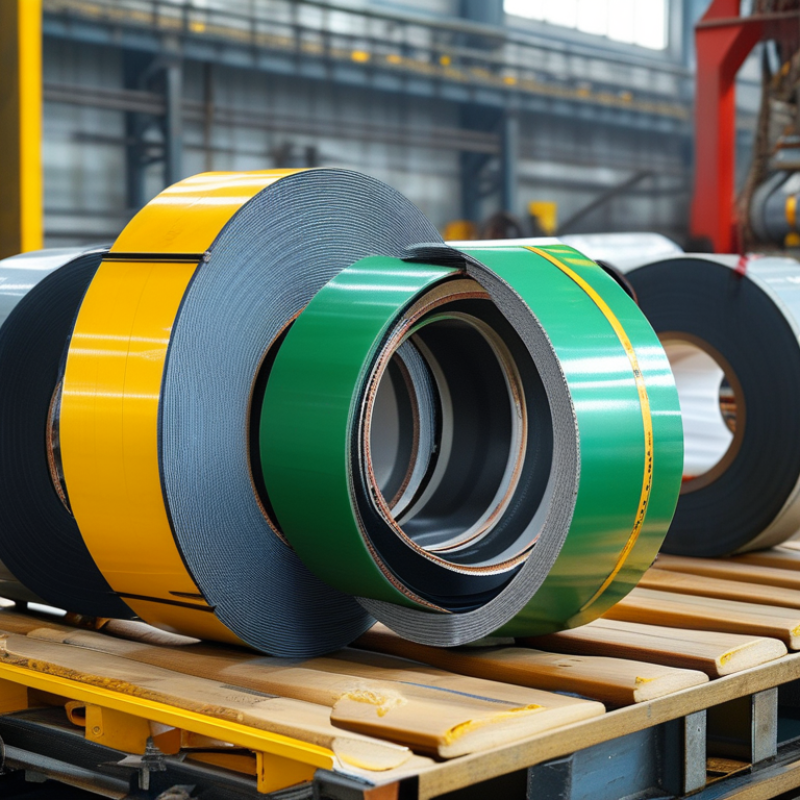
Nylon conveyor belts have gained significant traction in the global market. Their durability and flexibility make them popular across various industries. These belts can withstand heavy loads and harsh conditions, making them suitable for different applications. Many manufacturers focus on high-quality materials to enhance performance.
In recent years, there has been a noticeable increase in demand for nylon conveyor belts. This surge reflects the growing industrial activities worldwide. Companies seek reliable solutions for their transportation needs. However, not all products meet safety and quality standards. Buyers must conduct thorough research before making decisions. Ensuring that suppliers adhere to international guidelines is crucial.
Challenges do exist in the procurement of nylon conveyor belts. Variability in production techniques can affect the end product’s quality. Buyers often face difficulties in assessing a supplier’s reputation. This uncertainty can lead to subpar purchases, affecting business operations. Establishing clear communication with potential suppliers can mitigate risks. Prioritizing quality over cost often proves beneficial in the long run.
When selecting nylon conveyor belts, quality is essential. High-quality belts are known for their strength and durability. These belts often use multiple fabric layers for added toughness. The nylon material provides resistance against wear and tear, ensuring a longer lifespan.
Another critical characteristic is flexibility. High-quality nylon conveyor belts adapt well to various applications. Whether transporting heavy materials or delicate items, they maintain performance. Moreover, top belts feature a smooth surface that reduces friction. This design minimizes the risk of product damage during transit.
It’s important to consider installation and maintenance. High-quality belts should allow easy installation and require minimal maintenance. However, some users overlook regular checks, which can lead to issues. This oversight can affect efficiency and productivity. Regular inspection of belt condition is vital for optimal performance.
China has established itself as a major hub for nylon conveyor belts, serving global markets. The country’s production capacity has grown significantly, with estimates suggesting a 20% increase in output over the past five years. This growth aligns with rising demand in various industries, including manufacturing, mining, and logistics.
Leading manufacturers in China focus on quality and innovation. Data from industry reports highlight that over 40% of global nylon conveyor belt suppliers are based in China. These manufacturers emphasize stringent quality control to meet international standards. However, not all suppliers maintain consistent quality, which raises concerns for buyers. It is essential for international purchasers to conduct thorough research before choosing suppliers.
Sustainability is another pressing issue in the industry. Many manufacturers are exploring eco-friendly materials and processes. A survey indicated that around 30% of industrial buyers prioritize sustainability when selecting suppliers. This shift reflects growing awareness among global consumers. Nevertheless, improving practices across all suppliers remains a challenge. Enhanced transparency could foster trust and reliability in the market.
| Manufacturer Type | Location | Annual Production Capacity (Tons) | Export Markets | Certification |
|---|---|---|---|---|
| Large Manufacturer | Shanghai | 5000 | North America, Europe | ISO 9001 |
| Medium Manufacturer | Guangzhou | 2500 | Asia, Middle East | CE |
| Small Manufacturer | Shenzhen | 1000 | South America, Africa | ISO 14001 |
| Large Manufacturer | Beijing | 7000 | Europe, Asia | FDA |
Nylon conveyor belts are essential across various industries. Their durability and flexibility make them suitable for transporting materials in heavy-duty environments. Common applications include manufacturing, food processing, and logistics. These belts can handle diverse products, from raw materials to packaged goods. They are designed to withstand wear and tear, ensuring a longer lifespan.
In the automotive sector, nylon conveyor belts transport parts through assembly lines. Their strength supports heavy loads. Moreover, in the food industry, these belts can meet hygiene standards, often being easy to clean. Another key area is mining, where belts endure harsh conditions while maintaining efficiency.
Tips: Regular maintenance can extend the life of nylon conveyor belts. Check for wear and tear periodically. This helps prevent unexpected breakdowns.
Also, consider the environmental impact. Recyclable materials might reduce waste. Explore options that align with sustainability goals. This reflection is vital for industries aiming for greener practices. Remember, selecting the right belt can lead to cost savings in the long run.
When considering purchasing nylon conveyor belts, several key factors come into play. Understanding your specific application is crucial. Factors like load capacity, belt width, and tension must align with operational requirements. Industry standards indicate that improper matching can lead to premature wear or failure. A study by the National Institute of Standards revealed that 30% of conveyor belt breakdowns occur due to mismatched specifications.
Another critical aspect involves the environment where the belts will operate. Temperature variations, humidity, and chemical exposure can greatly affect material performance. Research shows that high temperatures can decrease belt strength by up to 50%. Thus, selecting belts made from robust materials suited for specific conditions is essential. Reviewing technical datasheets helps assess material properties and performance under various stressors.
Cost remains a vital concern for many buyers. While cheaper options may be tempting, they often lack durability. According to recent market insights, investing in high-quality nylon conveyor belts can result in a 20% reduction in overall operational costs over time. Balancing initial costs with long-term performance is a delicate process. It highlights the importance of thorough research and careful vendor selection to ensure reliable operations.
: Focus on strength and durability. Multiple fabric layers enhance toughness.
Flexible belts adapt to various applications, ensuring consistent performance.
Regular checks are crucial to avoid efficiency loss. Overlooking maintenance can lead to problems.
A smooth surface reduces friction and minimizes product damage during transit.
There’s a shift towards eco-friendly materials and processes among manufacturers.
Conduct thorough research. Not all suppliers maintain consistent quality.
They are used in manufacturing, mining, and logistics industries.
Yes, many buyers prioritize sustainability. However, practices still need improvement.
Many focus on quality control, but inconsistency exists. Careful selection is necessary.
Easy installation saves time and reduces complexities in the setup process.
Nylon conveyor belts have become a vital component in the global market due to their durability and versatility. These belts are characterized by their strong tensile strength, resistance to abrasion, and flexibility, making them suitable for various industrial applications, including manufacturing, logistics, and food processing. As global buyers increasingly seek high-quality nylon conveyor belts, understanding the key characteristics and the major suppliers in China is crucial.
When purchasing nylon conveyor belts, buyers should consider factors such as load capacity, temperature resistance, and compatibility with existing systems to ensure optimal performance. With a growing number of manufacturers in China, buyers have access to a wide range of options tailored to specific industry needs, driving efficiency and productivity across sectors.

Boao Rubber