How to Choose Cotton Rubber Conveyor Belts?

Time:2026-09-20 Author:Aria
0%

Choosing Cotton Rubber Conveyor Belts is not simply a matter of comparing price and width. The belt must match the material, loading method, pulley diameter, speed, and working environment. A belt carrying crushed stone faces sharp edges and impact. A belt moving packaged goods may need smoother tracking and cleaner surfaces. The difference becomes visible at the splice, where poor alignment can create heat, vibration, and premature failure.

Industry research shows why careful selection matters. Grand View Research and Fortune Business Insights both identify steady growth in the global conveyor belt market, driven by mining, logistics, construction, and manufacturing. Their reports also emphasize demand for durable, energy-efficient, and application-specific conveyor systems. However, market reports usually group textile belts into broad categories. They may not explain when cotton reinforcement is preferable to polyester or nylon. That gap requires practical engineering judgment.

Cotton Rubber Conveyor Belts can offer flexible handling and reliable adhesion in selected, moderate-duty applications. Their performance depends on rubber quality, ply construction, cover thickness, moisture exposure, and operating temperature. ISO 14890 provides useful requirements for conveyor belts used in general material handling. CEMA guidance also supports proper belt design, loading, idler spacing, and pulley selection. These standards are valuable, but they do not replace inspection experience.

A small mistake can become expensive.

This guide examines belt construction, tensile strength, abrasion resistance, belt length, joint design, and maintenance needs. It also questions a common assumption: the strongest belt is not always the best belt. A lower-cost option may perform well briefly, then stretch near the loading point. Real selection should balance evidence, operating history, safety requirements, and total ownership cost.
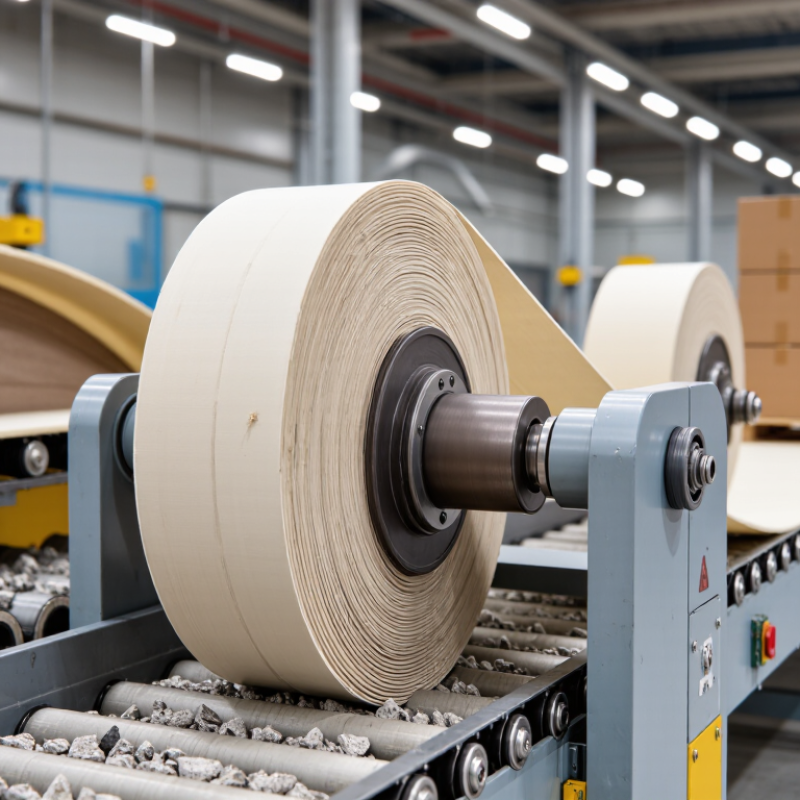
How to Choose Cotton Rubber Conveyor Belts?

What Are Cotton Rubber Conveyor Belts?

Cotton rubber conveyor belts are flexible transport belts made from woven cotton fabric coated with rubber. The cotton layers provide a stable carcass, while rubber protects the belt from abrasion, moisture, and ordinary material impact. They are often used for light or medium-duty conveying in workshops, agricultural facilities, warehouses, and processing areas.

The belt feels softer than many synthetic constructions. It can run quietly over pulleys when correctly tensioned. In practical inspections, I look for fabric separation, edge fraying, surface cracks, and uneven wear. These signs often reveal poor alignment or excessive loading. They are not a perfect answer. Cotton may absorb moisture, and prolonged exposure can weaken the fabric. Heat, oil, and sharp materials may also reduce service life.

When choosing one, check the conveyed material, belt width, operating temperature, pulley diameter, and expected load. A belt that seems strong may still fail on a small pulley. That detail is easy to miss. Cover thickness matters too, especially when gravel, grain, or packaged goods strike the surface repeatedly. Ask for verified tensile data and resistance information from a qualified supplier. Field conditions can differ from laboratory results. Careful measurement remains essential.

Which Materials and Belt Structures Suit Your Application?

Choosing a cotton rubber conveyor belt starts with the material moving on it. Cotton fabric offers flexibility, moderate strength, and good grip between rubber layers. It can work well for light to medium loads, especially where smooth handling matters. However, cotton absorbs moisture more easily than synthetic fabrics. That weakness is often underestimated.

The belt structure should match tension, pulley size, and loading impact. A single-ply belt suits short conveyors with limited tension. Multi-ply construction provides better load support and resistance to stretching. For sharp or heavy material, thicker rubber covers help resist cuts and abrasion. Small pulleys need a flexible structure; otherwise, repeated bending can create early cracks. Check the actual pulley diameter, not only the conveyor drawing.

Experience in dusty workshops shows that cover selection is rarely enough. Fine powder can enter damaged edges and weaken the fabric. Oil-resistant rubber may be necessary for greasy materials, while heat-resistant compounds suit hot products. Cotton can still perform reliably in controlled, dry conditions. It is not ideal everywhere. I have seen belts selected by price alone fail near loading points, although the basic material looked suitable. A careful application review should include speed, temperature, moisture, impact, belt width, and cleaning methods. The best structure is the one that survives these details daily.

How to Choose Cotton Rubber Conveyor Belts?

Which Materials and Belt Structures Suit Your Application?

How to read the chart: Cotton canvas carcasses generally provide lower tensile strength and are suitable for light-to-moderate loads, shorter conveying distances, and economical general-purpose applications. EP and NN fabric structures offer higher strength for heavier bulk materials, longer centers, and greater impact loads. Steel-cord belts are selected for very high tensions and long-distance conveying.

The values show typical nominal longitudinal tensile-strength ranges in N/mm. Actual performance depends on belt width, number of plies, splice design, rubber cover grade, operating temperature, material abrasiveness, and installation conditions. The rubber cover compound—not only the carcass—must be selected for abrasion, heat, oil, or chemical resistance.

How to Match Belt Strength, Width, and Thickness?

How to Choose Cotton Rubber Conveyor Belts?

How to Match Belt Strength, Width, and Thickness?

A cotton rubber conveyor belt should match the conveyor’s real operating conditions, not just its rated load. Measure material flow, belt speed, center distance, incline, and starting torque. Then calculate working tension in N/mm, using the belt manufacturer’s test data and the applicable conveyor standard. Do not confuse breaking strength with safe working strength. A belt carrying 20 tonnes per hour may face much higher tension during startup. That shortcut can fail.

Width depends on more than capacity. Check bulk density, lump size, loading method, and the belt’s trough angle. A narrow belt may carry the target volume at steady speed, yet spill material near the loading point. Leave practical clearance for tracking errors. I have seen belts run acceptably in dry conditions but wander after rain or uneven loading. The original width calculation was not wrong, just incomplete.

Thickness should protect both the cotton carcass and rubber covers. Abrasive stone needs sufficient cover thickness, while sharp lumps may require stronger impact protection near the loading zone. Consider pulley diameter too. An overly thick belt on a small pulley can flex poorly and fatigue early. A thinner belt may reduce resistance, but it can wear quickly under repeated impact. Recheck splice strength, scraper pressure, and take-up travel before approval. Small details matter.

How Do Temperature, Load, and Environment Affect Selection?

How to Choose Cotton Rubber Conveyor Belts?

Temperature, load, and environment often decide whether a cotton rubber conveyor belt survives or fails early. ISO 4195-1 identifies heat-resistance classes commonly specified around 100°C, 125°C, 150°C, and 180°C. These figures describe testing conditions, not automatic operating guarantees. A belt carrying hot clinker may cool between transfers, while a slow belt can retain heat beneath the material. Measure the material temperature, belt surface temperature, and exposure time.

Load selection needs more than maximum weight. The CEMA Belt Conveyors for Bulk Materials, 7th Edition, lists belt width, speed, bulk density, lump size, incline, and effective tension as key design inputs. A dense, sharp material creates different stress from a light agricultural product. Cotton carcasses offer flexibility, but moisture can reduce dimensional stability and weaken ply adhesion over time. A neat calculation can still be wrong.

Environment changes the rubber specification. Wet areas require attention to cotton’s moisture absorption, drainage, and edge sealing. Oil, solvents, ozone, ultraviolet light, and abrasive dust each attack rubber differently. ISO 14890 provides requirements for conveyor belts used with bulk materials, including physical performance and cover properties. Field inspections should record cracks, cover wear, splice condition, and belt temperature. We often overfocus on peak heat. Repeated starts, overloaded chutes, and trapped fines may cause greater damage. Temperature logs and measured loading rates are more reliable than assumptions.

What Quality and Maintenance Factors Should You Evaluate?

Choosing a cotton rubber conveyor belt requires more than checking width and price. The fabric should match the load, impact, and operating tension. Cotton offers flexibility and good adhesion, but it may absorb moisture more readily than synthetic reinforcement. Ask for tensile data, ply construction, cover thickness, and splice recommendations. Examine the rubber surface for pinholes, uneven curing, or hard edges. A clean cut sample can reveal loose threads and weak bonding. It matters.

Quality also depends on resistance to abrasion, heat, oil, and repeated bending. A belt carrying sharp stone needs a tougher cover than one moving packaged goods. Measure the troughing angle and pulley diameter before ordering. Measure twice. An undersized pulley can crease the belt and fatigue its plies. Check whether the supplier provides test reports, traceable production records, and clear storage guidance. Do not accept vague claims such as “heavy duty” without measurable values. That shortcut often becomes an expensive lesson.

During maintenance, inspect the belt weekly for edge fraying, longitudinal cuts, exposed fabric, and material buildup. Track the belt at low speed, then watch its return path under normal load. Misalignment may come from seized idlers, uneven loading, or poor frame geometry. Clean spilled material quickly; wet cotton reinforcement can weaken over time. Keep spare fasteners and repair materials dry and covered. Record splice dates, tension changes, and recurring damage locations. Some maintenance plans look complete on paper. They still fail when operators skip simple inspections. Inspect it closely.

FAQS

What are cotton rubber conveyor belts?

They use woven cotton fabric coated with rubber. Cotton provides flexibility and support. Rubber resists ordinary abrasion, moisture, and impact. They suit light or medium-duty conveying.

Where are these belts commonly used?

They can move grain, packaged goods, and workshop materials. Typical settings include warehouses, farms, processing areas, and small production lines. They are not ideal for every heavy-duty application.

How should I choose the correct belt width?

Check material flow, belt speed, bulk density, lump size, and loading method. Leave clearance for tracking movement and uneven loading. A narrow belt may spill material near the loading point. That detail matters.

How do strength and thickness affect belt selection?

Compare working tension with real operating conditions, including startup forces. Do not treat breaking strength as safe working strength. Choose thicker covers for abrasive stone or repeated impact. Recheck splice strength and take-up travel.

Why does pulley diameter matter?

A thick belt may flex poorly around a small pulley. Repeated bending can fatigue the cotton layers and weaken the belt. Check the belt’s minimum pulley diameter before installation. This is easy to overlook.

How do temperature and heat affect performance?

Measure material temperature, belt surface temperature, and exposure time. Hot material may cool quickly, while slow belts can retain heat. Select suitable heat resistance for the actual conditions. Laboratory figures are not guarantees.

How do moisture, oil, and dust affect these belts?

Cotton can absorb moisture, reducing dimensional stability over time. Oil, solvents, ozone, ultraviolet light, and abrasive dust can damage rubber. Use drainage, edge protection, and suitable cover materials where needed. Wet conditions deserve attention.

What signs show that a belt needs inspection?

Look for fabric separation, edge fraying, surface cracks, and uneven wear. Also inspect splices, scraper pressure, tracking, and belt temperature. These signs may indicate misalignment or overloading. I may miss something without field measurements.

Can a cotton rubber belt handle heavy or sharp materials?

It may handle moderate loads when properly selected. Sharp lumps and dense materials create higher impact and tension. Use stronger impact protection and adequate cover thickness. It is not a universal solution.

How can belt service life be improved?

Keep loading centered and avoid sudden overloads. Maintain correct tension and pulley alignment. Remove trapped fines beneath the belt. Record temperature and loading rates during operation. Small checks prevent larger failures.

Conclusion

Choosing Cotton Rubber Conveyor Belts requires more than selecting a standard belt size. These belts combine a cotton-based fabric carcass with a rubber cover, providing flexibility, stable support, and practical resistance for light- to medium-duty conveying. The right material and belt structure depend on the product being transported, conveyor layout, splice method, and operating conditions. Consider whether the belt needs improved grip, oil resistance, abrasion resistance, or greater flexibility before making a decision.

To match belt strength, width, and thickness, evaluate the conveyor length, material weight, loading method, speed, and expected impact. Temperature, moisture, dust, chemicals, and outdoor exposure can significantly affect belt life and should guide the rubber specification. Quality evaluation should include uniform construction, reliable adhesion between layers, accurate dimensions, and a surface free from defects. Regular inspection, correct tension, proper alignment, cleaning, and timely repair will help Cotton Rubber Conveyor Belts operate safely and efficiently while reducing unexpected downtime.


Aria

Aria

Aria is a dedicated marketing professional with a deep passion for innovative strategies and a keen understanding of our company's product offerings. With a wealth of experience in the industry, Aria excels at crafting engaging content that highlights the unique features and benefits of our......