In 2026, the selection of Steel Cord Conveyor Belts is critical for optimal industrial performance. Industry expert John Smith emphasizes the importance of choosing the right materials, stating, "Quality in Steel Cord Conveyor Belts directly impacts efficiency and longevity." As companies strive to enhance productivity, understanding the nuances of conveyor belt systems becomes paramount.
The demand for durable and reliable Steel Cord Conveyor Belts is on the rise. These belts are essential in sectors like mining and manufacturing. Choosing the right belt can make or break operational efficiency. Key factors include tensile strength, flexibility, and installation ease. Each detail matters, as a poor choice can lead to significant downtime.
Additionally, many companies overlook maintenance practices for Steel Cord Conveyor Belts. Regular inspections can prevent unexpected failures and extend belt life. As the industry evolves, integrating new technologies could also reshape how we select these materials. Understanding these challenges is vital for making informed decisions. Reflecting on past choices can guide future improvements.
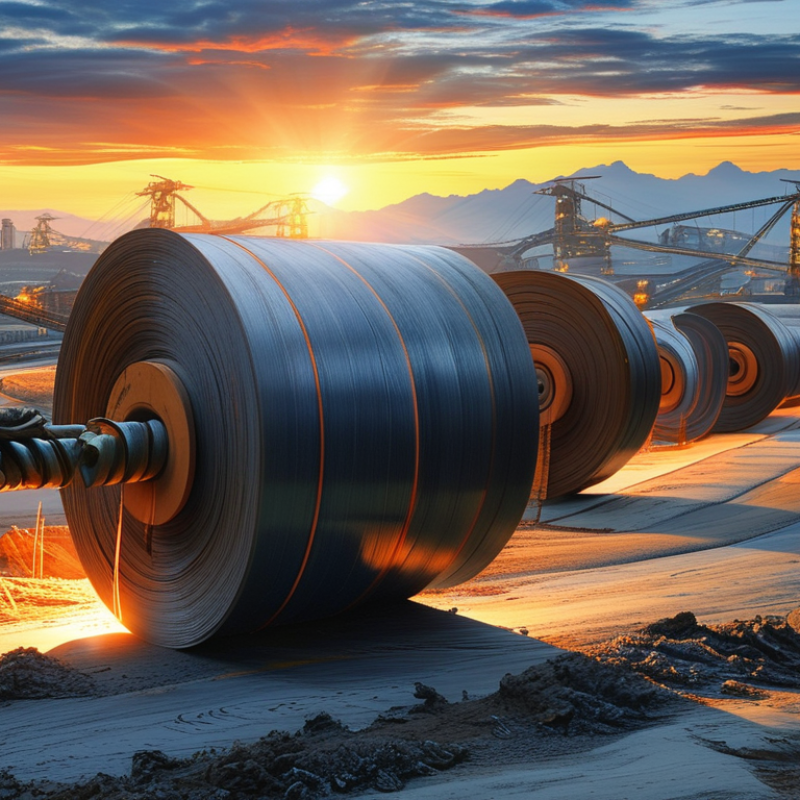
Steel cord conveyor belts are integral to heavy-duty operations. Understanding their composition and properties is crucial for making informed choices in 2026. These belts are made with a combination of steel wire and rubber, which creates high durability. The steel cords provide strength, while the rubber offers flexibility and resistance to wear.
When selecting a steel cord conveyor belt, consider the working environment. Different materials may perform better in specific conditions. For instance, belts exposed to harsh chemicals require special formulations. You should also assess the load requirements and the environmental temperature.
Tips:
Always evaluate the tensile strength of the steel cords. High tensile strength translates to greater load capacity. It's wise to ask for data sheets to compare materials. Be cautious of oversights; taking details for granted can impact performance.
Heat resistance is another important property. In high-temperature settings, belts need specialized components to avoid degradation. Also, consider how the belts interact with your system. Misalignment can lead to premature wear. Regular inspections can prevent unexpected failures and prolong belt life.
: They are made of steel wire and rubber. This combination ensures high durability and strength.
High tensile strength allows greater load capacity. It's essential for ensuring the belt can handle heavy materials.
Different environments can impact performance. For example, harsh chemicals require special belt formulations to function well.
In high-temperature conditions, specialized components are needed. This helps prevent degradation and prolongs belt life.
Inspections can reveal early signs of wear. Regular checks help prevent unexpected failures during operation.
Load type and distribution matter. Bulk materials exert different forces than uniform loads and affect belt strength.
Users often overlook them, but dynamic loads significantly influence the belt's real-world strength.
While recommendations can be valuable, they need critical evaluation. Not all applications are the same; adjustments may be necessary.
Assuming one belt fits all applications is unrealistic. Each application has unique needs that must be addressed.
Overloading can lead to premature wear or failure, reducing overall efficiency and durability. Regular assessments help avoid this issue.
When selecting Steel Cord Conveyor Belts in 2026, it's crucial to understand their composition and properties to ensure optimal performance for specific applications. Evaluating the load capacity and strength requirements is essential, as different tasks demand varying belt characteristics. Additionally, environmental factors such as temperature extremes, moisture levels, and chemical exposure must be assessed to determine the belt's resilience.
Cost-effectiveness and lifecycle considerations play a significant role in decision-making, as selecting the right steel cord option can lead to long-term savings. Finally, analyzing industry standards and certifications is vital for ensuring compliance and quality in your conveyor belt selection, ensuring that the chosen Steel Cord Conveyor Belts meet the operational demands and safety regulations of the industry.

 Boao Rubber