How to Choose the Right Laminated Conveyor Belts for Your Needs?

Time:2026-07-12 Author:Isabella
0%

Choosing the right laminated conveyor belts can seem overwhelming. With so many options available, it's essential to understand your unique needs. Renowned industry expert, John Doe, once stated, “Selecting the proper laminated conveyor belt is crucial for operational efficiency.” This insight underscores the importance of making informed decisions.

Laminated conveyor belts serve various purposes across numerous industries. They can handle different materials, operating conditions, and load capacities. Knowing the specific requirements of your application is vital. You might find yourself questioning the durability of the belts or their resistance to wear and tear. Each choice impacts performance and longevity.

Furthermore, not all laminated conveyor belts are created equal. Some may perform well in specific environments but fail elsewhere. Understanding these nuances can save time and resources. Take time to consider not just features but also the potential challenges. Reflect on past experiences and what improvements could be made in future selections.
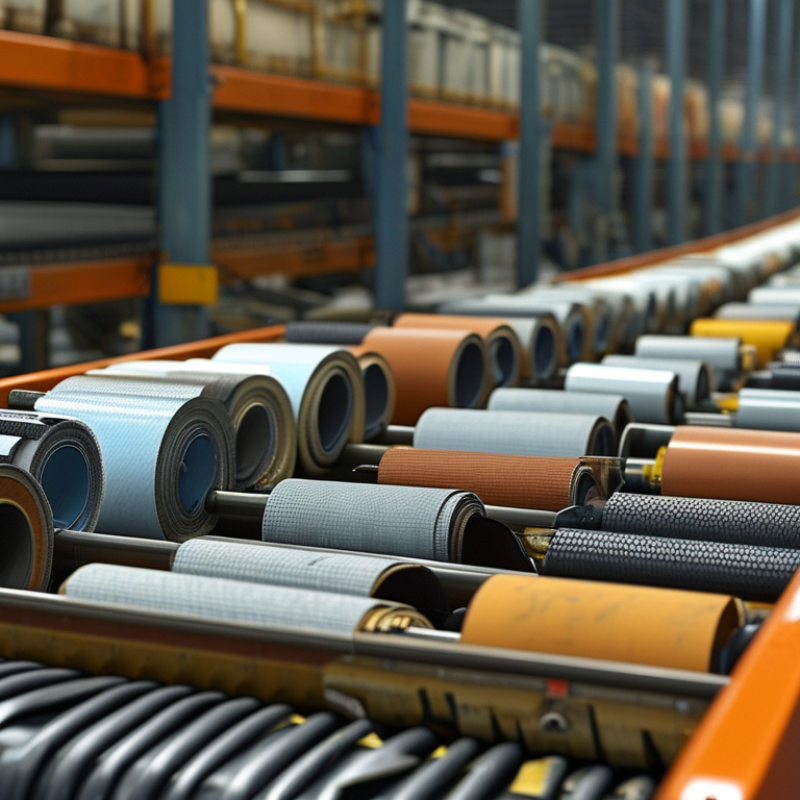
How to Choose the Right Laminated Conveyor Belts for Your Needs?

Understanding Laminated Conveyor Belts and Their Applications

Laminated conveyor belts play a crucial role in various industries. They are designed to handle a wide range of materials. These belts can be used in food processing, packaging, and even manufacturing. Understanding their unique applications is essential for making the right choice.

Laminated belts are typically made from layers of high-strength materials. This construction provides durability and flexibility. They prevent material spillage, ensuring a clean workspace. Different thicknesses and surface textures are available. Choosing the right one can significantly impact efficiency.

Tip: Consider the weight and size of the materials you will transport. You want a belt that can support your load without stretching or breaking.

Different industries may require different features. For instance, food processing belts must meet hygiene standards. In contrast, manufacturing applications may prioritize heat resistance. Knowing these requirements helps narrow your options.

Tip: Assess the working environment. Temperature changes can affect belt performance. Make sure to choose a belt that can withstand these variations without compromising quality.

Key Factors to Consider When Choosing Laminated Conveyor Belts

When selecting laminated conveyor belts, consider several factors to ensure optimal performance. The material of the belt is crucial. It impacts durability, flexibility, and resistance to wear. Each application may require a different type of laminate, such as polyester or polyethylene.

The width and length of the conveyor belt must fit your system specifications. Too wide or too narrow may result in inefficiencies. Measure your equipment carefully. Pay attention to the environment as well. Conditions like heat, cold, and moisture affect belt performance.

**Tips:** Evaluate the weight capacity required for your operations. Perform trials if possible. Seek feedback from operators who regularly use the belts. Maintenance is another aspect to consider. A well-maintained belt lasts longer and performs better.

Finally, analyze the cost factor. While cheaper belts may seem appealing, they might not offer the same longevity. Investing in quality often pays off in the long run, reducing replacement frequency and downtime. Consider all factors holistically before making a decision.

How to Choose the Right Laminated Conveyor Belts for Your Needs?

Factor Description Importance
Material Laminated conveyor belts can vary in material such as PVC, PU, or rubber, affecting durability and application. High
Thickness The thickness of the belt impacts its weight capacity and resistance to wear. Medium
Length and Width Dimensions need to match the conveyor system to ensure effective operation. High
Temperature Resistance Some applications require belts that can withstand high or low temperatures. Medium
Load Capacity It is essential to know the maximum load the conveyor belt will carry. High
Friction Surface The surface texture can influence the grip and speed of the transported materials. Medium
Chemical Resistance Consideration of the chemicals the belt may be exposed to during operation. Medium

Evaluating Material Specifications for Optimal Performance

Choosing the right laminated conveyor belts involves careful evaluation of material specifications. This process is crucial for achieving optimal performance in your operations. Material properties, such as tensile strength, flexibility, and resistance to wear, significantly impact durability and effectiveness. A well-chosen belt can improve efficiency and reduce downtime.

When assessing materials, consider the working environment. For example, if the workplace exposes the belt to heat or chemicals, selecting a resistant material becomes essential. Specific applications, such as food processing or heavy loads, demand additional specifications. Pay attention to factors like friction and elongation, as they influence the belt's lifecycle.

Tips: Test the selected materials rigorously. Engage in trial runs. Listen to feedback from your team. Their insights are invaluable for improving the selection process. Regularly review and adjust your choices based on performance outcomes. This adaptive approach fosters continuous improvement, ensuring your conveyor system meets evolving needs effectively. Think critically about each choice and its impact on performance sustainability.

Assessing Industry-Specific Requirements for Conveyor Belts

When selecting laminated conveyor belts, understanding industry-specific requirements is essential. Different sectors have unique needs. For instance, food processing facilities require belts that meet stringent hygiene standards. The materials used must be safe for direct food contact. In contrast, heavy-duty industries may focus on load-bearing capacities and durability. The right choice here can enhance operational efficiency.

Temperature resistance is another key factor. Some industries operate in extreme heat or cold, demanding specialized belts that can withstand these conditions. Using standard belts in such environments may lead to failures or costly downtime.

It's important to evaluate environmental factors as well. Dusty or abrasive environments can wear down belts quickly. Choosing materials with higher abrasion resistance can prevent frequent replacements. User feedback is valuable. Listening to those who use the belts in real situations can provide insight into their performance. The right belt can make a significant difference, but not every option will fit all needs perfectly. Reflecting on user experiences can help in making a more informed decision.

Maintenance Tips for Prolonging the Life of Laminated Conveyor Belts

When it comes to maintaining laminated conveyor belts, understanding their composition and usage is essential. Laminated belts are often used in high-stress environments. They face constant tension and abrasive materials. Regular maintenance enhances their lifespan significantly. Reports indicate that effective maintenance can extend their life by up to 30%.

Routine inspections are vital. Check for signs of wear, such as cracks or fraying. A worn belt can lead to misalignment, causing further damage. Splicing techniques play a crucial role. Properly spliced seams are less prone to failure. Data shows that poorly spliced belts can reduce efficiency by 20%.

Moreover, lubrication should not be overlooked. Using the right lubricant can minimize friction. But over-lubrication may attract dust and debris. Maintaining a clean environment is equally important. Dirt buildup can lead to premature wear. Regular cleaning routines can significantly improve performance and longevity. Remember, even minor oversights can lead to costly downtimes.

How to Choose the Right Laminated Conveyor Belts for Your Needs?

This chart illustrates the key specifications for selecting laminated conveyor belts, highlighting factors such as material type, thickness, width, and load capacity that are crucial for meeting individual operational needs.

FAQS

: Why is material specification important for conveyor belts?

: Material specifications impact performance, durability, and efficiency of the conveyor belts. Proper evaluation is crucial.

What factors should I consider when selecting materials?

Consider tensile strength, flexibility, wear resistance, and working environment, such as heat or chemical exposure.

How can I assess the material’s suitability?

Conduct rigorous tests and trial runs. Gather feedback from your team for better insights into material performance.

How often should I inspect laminated conveyor belts?

Regular inspections are essential. Look for signs of wear like cracks or fraying to avoid further damage.

What maintenance practices extend the life of conveyor belts?

Routine inspections, proper splicing, and lubrication are critical. They can extend belt life significantly, up to 30%.

What happens if I neglect lubrication?

Neglecting lubrication can increase friction, leading to faster wear. However, over-lubrication can attract debris.

How does the working environment affect belt selection?

High-stress environments or exposure to chemicals require more resistant materials. Choose based on specific applications' needs.

Can minor oversights cause problems?

Yes, even small maintenance errors can lead to costly downtimes, impacting overall efficiency.

What is the impact of improperly spliced belts?

Poor splicing can reduce efficiency by up to 20% and lead to belt failure. Proper techniques are essential.

How do I ensure ongoing effectiveness of my conveyor system?

Review and adjust choices based on performance outcomes. Continual improvement is needed for optimal operations.

Conclusion

When selecting the right Laminated Conveyor Belts for specific applications, it is crucial to understand their functionality and variety of uses across different industries. Key factors to consider include the type of materials, load capacity, and environmental conditions where the belts will be operating. Evaluating material specifications ensures optimal performance, while being mindful of industry-specific requirements helps in selecting the most suitable belt type for your needs.

Additionally, regular maintenance is vital for prolonging the life of Laminated Conveyor Belts. Implementing proper care techniques can prevent common wear and tear, ensuring that the belts operate efficiently and last longer. By focusing on these aspects, users can make informed decisions and enhance productivity in their operations.


Isabella

Isabella

Isabella is a dedicated marketing professional with a sharp focus on driving brand growth and engagement through strategic content creation. With an extensive background in digital marketing, she combines her passion for storytelling with her keen understanding of industry trends to deliver......