How to Choose the Best Rubber Belts for Your Business Needs?

Time:2026-07-07 Author:Aria
0%

Choosing the right Rubber Belts for your business is crucial. With numerous options available, the decision can be overwhelming. Industry expert John Smith, a seasoned professional in belt manufacturing, emphasizes, “The right belt can enhance efficiency and reduce costs.” His insights highlight the importance of selecting belts that match specific operational needs.

Rubber Belts come in various types and materials. Each serves different purposes in diverse industries. For instance, conveyor belts are essential in manufacturing. They transport materials smoothly and efficiently. However, not all Rubber Belts are created equal. Businesses must consider factors such as load capacity and environmental conditions.

Understanding your unique requirements can prevent costly mistakes. Neglecting to assess the right specifications may lead to performance issues. It’s vital to reflect on your operational challenges. Only then can you choose the most suitable Rubber Belts that support your business’s goals.
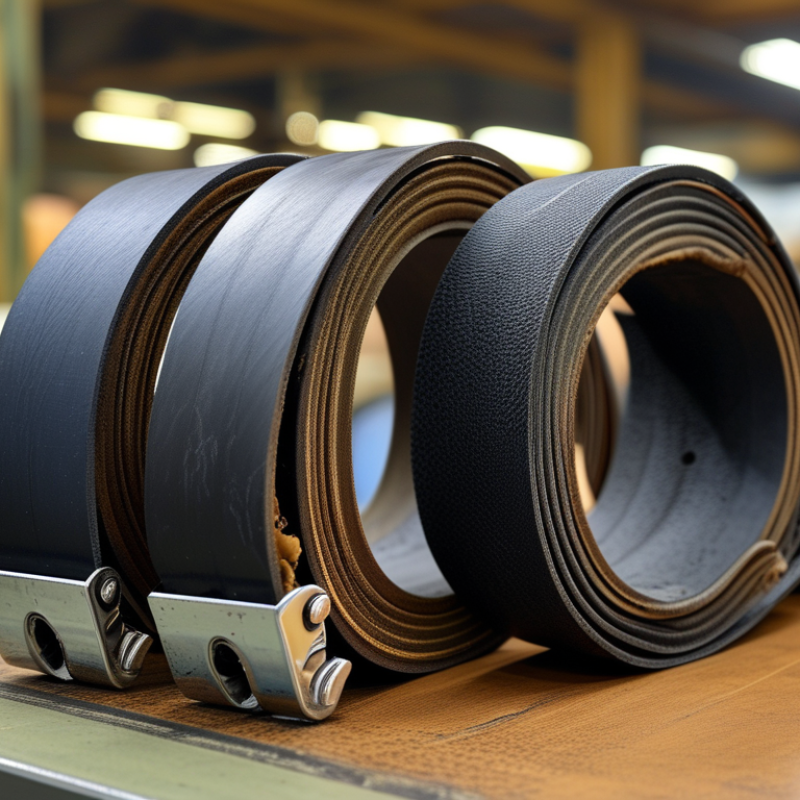
How to Choose the Best Rubber Belts for Your Business Needs?

Understanding the Different Types of Rubber Belts Available in the Market

When selecting rubber belts, it's essential to understand the various types available in the market. Rubber belts come in multiple designs and compositions, making them suitable for diverse applications. Some common types include flat belts, V-belts, and timing belts. Each type has unique characteristics that can impact performance.

Flat belts are versatile and used in numerous industries. They efficiently transmit power and are generally easier to install. V-belts, on the other hand, are designed to fit in grooves, enhancing grip and reducing slippage during operation. Timing belts are crucial for precise movements, often found in machinery requiring exact synchronizations.

Choosing the right type requires thoughtful consideration of the application. Factors like load capacity, environmental conditions, and compatibility with existing systems should influence your choice. Many businesses overlook these aspects, leading to inefficiencies. Understanding the strengths and weaknesses of each rubber belt type is vital for making informed decisions that suit your business needs.

Rubber Belts Market Overview

Evaluating the Key Performance Metrics for Rubber Belts in Industry Applications

When evaluating rubber belts for industrial applications, key performance metrics are crucial. One of the most significant metrics is tensile strength. A study by the Rubber Manufacturers Association indicates that high-strength rubber belts can handle up to 5000 psi. This durability is vital in operations involving heavy machinery, reducing downtime and increasing productivity.

Another important factor to consider is friction resistance. Industries often rely on belts that provide excellent grip, especially in conveyor systems. Reports show that belts with a coefficient of friction exceeding 0.7 contribute to smoother operations in critical applications. Low-friction belts, however, may lead to slippage, which can disrupt workflow.

Additionally, temperature resistance must be assessed. Many rubber belts function effectively in environments ranging from -20°F to 250°F. However, prolonged exposure to extreme temperatures can embrittle the material. Constant monitoring and timely replacements can mitigate risks. Decision-makers should also reflect on their specific needs. Not every business requires the same type of belt, so careful analysis is essential for optimal performance.

Assessing Durability and Lifespan of Rubber Belts Based on Material Composition

When selecting rubber belts, understanding material composition is essential. Different materials influence durability and lifespan. For instance, natural rubber tends to offer superior elasticity and tensile strength. However, it may not withstand extreme temperatures as well as synthetic options. Reports indicate that belts made from EPDM (ethylene propylene diene monomer) can perform in temperatures ranging from -40°F to 240°F, making them suitable for various industrial applications.

A study highlighted that the lifespan of rubber belts can vary significantly based on conditions and usage. Under ideal conditions, certain synthetic rubber belts can last up to 5 years. Yet, factors like exposure to oils, chemicals, and UV light can shorten this lifespan dramatically. Companies must assess operational environments before choosing materials. Regular testing of rubber belts can reveal weaknesses, such as cracking or hardening, often overlooked until failure occurs.

Furthermore, environmental impacts on rubber belts are often underestimated. Limited awareness exists regarding the effects of moisture and contaminants. Manufacturers recommend routine inspections for signs of wear. This proactive approach could save businesses from unexpected downtime. A reliable rubber belt not only enhances efficiency but also ensures safety.

Determining the Optimal Width and Thickness for Specific Business Requirements

When selecting rubber belts for your business, width and thickness are crucial. The right dimensions impact both performance and durability. A belt that is too narrow may slip under heavy loads. Conversely, one that is too wide can be cumbersome and less efficient. Every application has unique requirements, making careful measurement essential.

Consider the environment where the belt will operate. Harsh conditions, such as extreme temperatures or exposure to chemicals, can dictate necessary thickness. Thicker belts often withstand wear and tear better in these situations. Also, the transported materials should guide your choice. Heavy loads require thicker belts for adequate support. Experimenting with dimensions may lead to better efficiency in operations.

Finding the right balance can be tricky. You might choose a thicker belt, only to find it doesn’t fit your machinery properly. Or a wide belt may overreact to small adjustments. Regular evaluations of belt performance can provide insights into what works. It's an ongoing learning process, where real-world tests inform future selections.

Comparing Cost-Effectiveness of Various Rubber Belt Suppliers and Materials

When evaluating rubber belt suppliers, cost-effectiveness is crucial. A recent survey indicated that businesses prioritize durability and price. Many suppliers report that high-quality rubber belts can reduce downtime in production by up to 20%. This underscores the importance of selecting materials that not only fit the budget but also meet operational demands.


Choosing the right supplier involves assessing various factors. For instance, reports show that synthetic rubber belts often outperform traditional rubber options in terms of longevity. However, they may come at a higher initial cost. Enterprises should calculate the lifetime value of a belt rather than just focusing on upfront costs. While cheaper options might seem attractive, they could incur more replacement expenses over time.


Sustainability has become a key consideration. Many suppliers now offer eco-friendly rubber materials. Yet, cost savings related to these options can be unclear. Businesses may need to evaluate the impact on their budget against the potential for improved corporate responsibility. A careful analysis is essential, as the right choice can lead to enhanced efficiency and a stronger brand image in the long run.

FAQS

: What is a key performance metric for rubber belts?

: Tensile strength is crucial. High-strength rubber belts can handle up to 5000 psi.

Why is friction resistance important for rubber belts?

Excellent grip, especially in conveyor systems, ensures smoother operations and prevents slippage.

What temperatures can rubber belts withstand?

Rubber belts typically operate between -20°F to 250°F but extreme exposure may cause damage.

How does width and thickness affect rubber belts?

Proper dimensions prevent slippage or inefficiency. Each application has unique thickness and width needs.

What challenges come with selecting rubber belt dimensions?

Finding a balance can be tricky. A thicker belt may not fit machinery correctly, leading to inefficiency.

How can regular evaluations help in maintaining rubber belts?

Ongoing assessments provide insights into performance and inform better future selections.

What should businesses consider about supplier cost-effectiveness?

Durability and pricing matter. Cheaper options may lead to higher long-term replacement costs.

Are eco-friendly rubber materials cost-effective?

They may improve corporate responsibility, but cost savings can be unclear and require careful analysis.

Why is it risky to choose rubber belts solely based on price?

Initial costs matter, but considering lifetime value helps avoid future replacement expenses.

What role do transported materials play in belt selection?

Heavy loads require thicker belts for support, making material weight a key factor in selection.

Conclusion

When choosing the best rubber belts for your business needs, it is essential to understand the various types available in the market. Different industries require specific performance metrics, and evaluating these can help in selecting the most suitable rubber belts for your applications. Key performance aspects include strength, flexibility, and resistance to wear and tear, which are critical for optimal functionality.

Additionally, assessing the durability and lifespan of rubber belts based on their material composition is crucial. Factors such as width and thickness will also play a significant role in meeting specific business requirements. Finally, comparing the cost-effectiveness of different suppliers and rubber belt materials can aid in making an informed decision, ensuring that you select rubber belts that provide the best value for your investment while meeting performance standards.


Aria

Aria

Aria is a dedicated marketing professional with a deep passion for innovative strategies and a keen understanding of our company's product offerings. With a wealth of experience in the industry, Aria excels at crafting engaging content that highlights the unique features and benefits of our......