How to Choose the Right Rubber Conveyor Belts for Your Needs?

Time:2026-06-24 Author:Madeline
0%

When selecting the right Rubber Conveyor Belts for your operations, you face several choices. The type of material and design can significantly impact efficiency. Understanding your specific needs is crucial. You may feel overwhelmed by the options available. However, the right choice can enhance both productivity and safety.

Different industries rely on Rubber Conveyor Belts to transport various materials. Factors such as load capacity and environmental conditions are vital. Each application requires a unique belt type. For instance, some belts resist temperature changes better than others. This knowledge can lead to better operational performance.

Choosing the wrong belt can lead to increased maintenance costs. It's essential to consider factors like durability and flexibility. This process often involves trial and error. Reflecting on past choices is necessary to achieve optimal results. Make informed decisions to ensure efficiency and reliability in your operations.
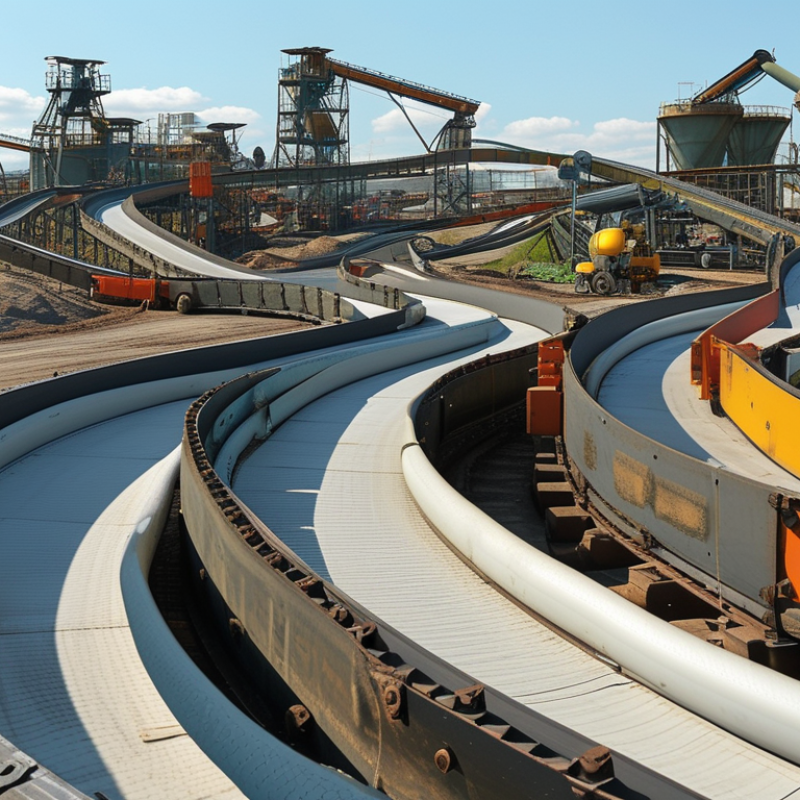
How to Choose the Right Rubber Conveyor Belts for Your Needs?

Understanding the Types of Rubber Conveyor Belts Available

When selecting rubber conveyor belts, understanding the types available is crucial. Different environments and materials require specific belt types. For instance, general-purpose rubber belts are versatile and suitable for various applications. They often come in different thicknesses, impacting durability and load capacity.

In contrast, heat-resistant belts can endure high temperatures, making them ideal for industries dealing with hot materials. Oil-resistant belts are necessary when transporting goods exposed to oils or chemicals. These belts protect from degradation, ensuring a longer lifespan. Additionally, consider specialized belts like flame-retardant or chemical-resistant options based on your operational needs.

Choosing the right type can be challenging. Research and expert consultation might be necessary. Evaluate the specific conditions your belts will face. Reflect on your operational environment. It’s wise to compare various belt types before making a decision. Each application has unique requirements; understanding these can prevent costly mistakes.

Assessing Load Capacity and Weight Requirements for Your Application

When choosing rubber conveyor belts, assessing load capacity is crucial. Each application has specific weight requirements that can influence belt performance. It is essential to evaluate the maximum load the belt will handle regularly. Overloading can cause slippage or premature wear. Knowing the typical load helps in choosing the right material and design.

Weight requirements also vary by industry. A construction site may demand heavier-duty belts than a food processing plant. Understanding the environment and materials being transported is key. Factors like temperature, moisture, and chemicals can affect belt integrity. If the wrong type of belt is used, it can lead to breakdowns and safety hazards.

Take time to analyze your needs. Assess the terrain and potential obstacles the belt may face. Don't overlook the importance of periodic checks. A belt that looks suitable might not meet your long-term demands. Addressing these considerations ensures your conveyor operates efficiently and safely, reflecting your operational priorities and reliability.

How to Choose the Right Rubber Conveyor Belts for Your Needs?

Application Load Capacity (kg) Weight Requirement (kg/m) Belt Type
Agriculture 200 10 Fabric Reinforced Rubber
Mining 500 15 Steel Cord Rubber
Food Processing 100 5 FDA Approved Rubber
Construction 300 12 Heavy Duty Rubber
Recycling 250 8 Reinforced Rubber

Evaluating Environmental Conditions and Their Impact on Belt Selection

When selecting rubber conveyor belts, environmental conditions play a crucial role. Understanding factors such as temperature, humidity, and exposure to chemicals is essential. High-temperature environments may require heat-resistant materials. On the other hand, cold conditions can make belts brittle. Consider your setting carefully to ensure optimal performance.

When evaluating chemical exposure, remember that not all rubber materials are equal. Some may degrade faster than others. Identifying potential contaminants can help prevent failures. If your operation involves greasy or acidic substances, choose belts designed to resist these elements.

Tips: Regularly inspect your belts for signs of wear. A simple visual check can save you costly downtimes. Don’t ignore the impact of moisture either. Wet conditions can affect traction. Making informed choices based on your specific environment is key to long-lasting performance.

Analyzing Cost-Effectiveness and Longevity of Different Belt Options

Choosing the right rubber conveyor belt requires careful consideration of cost-effectiveness and longevity. Different materials exhibit different wear and tear levels. Polyurethane belts, for example, may last longer in certain environments but can be pricier upfront. Assessing your specific application is crucial.

Examine factors like load capacity and environmental conditions. A belt used in harsh conditions will have different longevity than one in a controlled environment. Short-term savings can lead to increased long-term costs if the belt fails prematurely. Regular maintenance checks can prolong the life of any belt, adding to its overall value.

Balancing cost and durability is a challenge. Sometimes, investing more upfront pays off. It's wise to seek expert advice to assess material specifications. This will lead to informed decisions. Properly chosen belts enhance efficiency, reducing downtime. Yet, remember: what works for one operation might not suit another. Conduct thorough research before making decisions.

Choosing the Right Supplier and Maintenance Considerations for Belts

When selecting rubber conveyor belts, choosing the right supplier is crucial. A reliable supplier has a track record of quality. Look for years of experience in the industry. They should be knowledgeable about different belt types and materials. Ask for references to understand their reputation. A dedicated supplier will provide consistent support and guidance.

Maintaining your conveyor belts is equally important. Regular inspections can identify wear and tear before it leads to failure. Ensure that the supplier offers maintenance tips tailored to your specific belt type. Proper maintenance practices can enhance belt life. However, despite your best efforts, unexpected issues may arise. Be prepared to address these challenges promptly. Document any maintenance undertaken to track performance and make informed decisions.

FAQS

: Why is assessing load capacity important?

: Assessing load capacity is crucial for optimal belt performance and prevents premature wear.

How do industry requirements affect weight specifications?

Different industries have varying weight needs; for instance, construction demands heavier-duty belts compared to food processing.

What factors influence the integrity of a conveyor belt?

Temperature, moisture, and chemical exposure can significantly affect belt durability and performance.

How can regular checks benefit conveyor belts?

Periodic checks help identify issues before they lead to breakdowns or safety hazards, ensuring smooth operation.

What is the impact of choosing the wrong belt type?

Using an inappropriate belt can cause malfunctions and create safety risks, highlighting the need for careful selection.

How does maintenance affect belt longevity?

Regular maintenance checks can extend a belt’s life, making it a cost-effective investment over time.

Is it wise to prioritize upfront costs over durability?

Sometimes, investing more initially for a durable belt saves on future costs related to failures or replacements.

What role does expert advice play in choosing belts?

Seeking expert opinions on material specifications can lead to better, more informed decisions for your specific needs.

How can environmental conditions affect belt selection?

Harsh environments can reduce the lifespan of the belt, necessitating a more durable option.

Can the needs of one operation apply to another?

What works for one operation might not be suitable for another, so thorough research is crucial.

Conclusion

When selecting the right Rubber Conveyor Belts for your needs, it is essential to understand the various types available and their specific applications. Factors such as load capacity and weight requirements play a critical role in ensuring the chosen belt can handle the demands of your operation effectively. Additionally, evaluating environmental conditions, including temperature and exposure to chemicals, is crucial as these can significantly impact belt performance and durability.

Furthermore, analyzing the cost-effectiveness and longevity of different Rubber Conveyor Belt options will help you make an informed decision that balances upfront investment with long-term value. Lastly, choosing a reliable supplier and considering maintenance aspects will ensure the belts operate efficiently and provide optimal service over time. By carefully considering these factors, you can select the most suitable Rubber Conveyor Belts tailored to your operational requirements.


Madeline

Madeline

Madeline is a dedicated marketing professional with a wealth of expertise in our company's core offerings. With a keen understanding of the industry, she brings a unique perspective to her role, consistently delivering high-quality content that highlights the superior aspects of our products. As......