In the world of material handling, Spiral Idlers play an essential role. These components support the efficiency of conveyor systems. According to industry expert Dr. Emma Thompson, “Spiral Idlers enhance the flow of materials, minimizing friction and wear.” This insight highlights their importance in maintaining optimal performance.
Engineered to reduce energy consumption, Spiral Idlers are key in various applications. They help in guiding materials smoothly on conveyor belts. When chosen wisely, they can significantly improve operational efficiency. However, some users may overlook the impact of selecting the right diameter and configuration.
While Spiral Idlers are effective, there is room for improvement in design. Engaging with reliable manufacturers can make a difference. Research into advanced materials and innovative designs is ongoing. This could lead to even better solutions for material handling challenges. Understanding these intricacies helps organizations make informed choices.
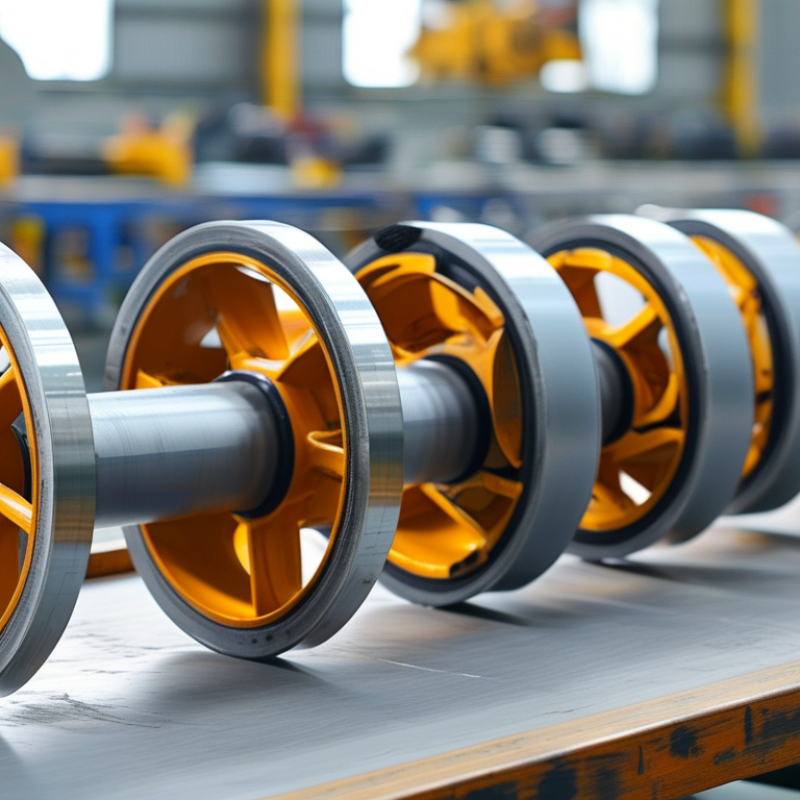
Spiral idlers play a crucial role in material handling systems. Their design allows for smooth material flow in conveyor systems. The spiral shape helps maintain the correct alignment of the belt. This reduces the wear on both the belt and the idler itself. According to a report from the Institute of Materials Handling, improper belt alignment can lead to up to 30% more energy consumption.
These idlers help prevent spillage and ensure minimal friction. By optimizing the loading process, spiral idlers contribute to increased efficiency. However, they require regular maintenance to avoid excessive wear. Ignoring this can lead to downtime, which significantly impacts productivity. For instance, research indicates that companies spend an average of 5% of their operating budget on unplanned downtime due to equipment failures.
The functionality of spiral idlers is not just about supporting the belt. They also influence the overall longevity of the conveyor system. With proper installation and regular checks, the lifespan of both the idlers and belts can substantially increase. However, operators often overlook the importance of these components, leading to inefficiencies. This oversight can directly affect operational costs and productivity levels in the long run.
When choosing spiral idlers for material handling, certain key features stand out. Durability is essential. High-quality spiral idlers often use advanced materials to withstand harsh environments. Reports show that materials like polyurethane can extend the life of idlers by up to 40%. This durability translates to less frequent replacements and lower operational costs.
Another important aspect is the design. Effective spiral idlers should incorporate anti-friction features. This design minimizes wear on the conveyor system, leading to smoother operations. According to the Conveyor Equipment Manufacturers Association, reduced friction can improve system efficiency by up to 25%. This efficiency increase is crucial in high-volume settings.
Regular maintenance is often overlooked. Checking for wear and tear can prevent costly downtime. For optimal performance, ensure that idlers are aligned correctly. Misalignments can lead to increased energy usage. Proper training on maintenance can significantly enhance idler lifespan.
Different industries may have varying needs. Therefore, always assess the specific challenges your system faces. This approach enables tailored solutions that improve overall handling efficiency.
When it comes to material handling, spiral idlers play a crucial role in enhancing efficiency. These components help guide and support conveyor belts, ensuring smooth operations. According to a report from the Conveyor Equipment Manufacturers Association, using quality idlers can improve system performance by over 20%. This statistic emphasizes the importance of selecting the right idler.
Leading models in the market showcase several design features that enhance their effectiveness. Some idlers are designed with a unique spiral configuration that minimizes wear and prolongs service life. Furthermore, advanced materials used in construction can resist corrosion and impact, making them reliable for various industries. It's noteworthy that according to data from the International Bulk Journal, inadequate idler choices can lead to a 30% increase in maintenance costs.
When considering which spiral idlers to implement, operational environments and specific requirements must be evaluated. For instance, idlers suited for high-speed applications differ from those used in heavy-duty scenarios. Choosing the wrong type could result in inefficiencies. This introspection is crucial in determining the ideal solutions tailored to each unique operation.
Spiral idlers play a crucial role in bulk material transport. They are designed to keep belts aligned and reduce friction. This helps in lowering energy costs and increasing efficiency. When materials flow smoothly, less wear occurs on equipment. Additionally, spiral idlers minimize the risk of material spillage. This leads to cleaner work environments.
Using spiral idlers also offers unique benefits in load distribution. The spiral design allows for better weight handling, reducing stress on the conveyor system. However, installation must be precise. Improper setup can lead to operational issues. Regular maintenance checks are essential as well, to prevent unexpected failures.
Another aspect to consider is the adaptation of spiral idlers to various materials. They can effectively handle abrasive substances, but their performance may vary. Operators should monitor their effectiveness over time. Collecting data can help identify any shortcomings. Adjustments may be necessary to ensure optimal use. Balancing these factors contributes to a more efficient transport solution.
Maintaining spiral idlers is crucial for maximizing their lifespan and ensuring smooth operations in material handling systems. Regular inspections can identify issues early. Look for signs of wear on the idler surface. Accumulated dirt and debris can lead to premature failure. Cleaning the idlers periodically reduces friction and enhances performance.
Proper lubrication is essential. It prevents overheating and minimizes the risk of damage. Use manufacturers’ recommendations for lubricants to avoid compatibility issues. However, over-lubrication can attract dirt, leading to more problems. Adjust the lubrication frequency based on operating conditions. Each environment is different and may require unique approaches.
Monitor the alignment of the spiral idlers consistently. Misalignment can cause uneven wear, increasing replacement costs. Consider using alignment tools, but also be prepared for manual adjustments and observations. Training staff on proper handling and maintenance techniques can help reduce long-term costs. Investing in knowledge pays off.
: Spiral idlers help in material handling systems. They ensure smooth flow on conveyor belts. Their design supports proper belt alignment.
Proper alignment reduces wear on belts and idlers. Misalignment can increase energy consumption by up to 30%.
Regular maintenance is essential. Check for wear and clean periodically to avoid delays. Neglect can lead to downtime.
Check idler alignment consistently. Misalignment causes uneven wear. Use tools, but also rely on manual adjustments.
Follow manufacturer-recommended lubricants. Avoid over-lubrication, as it can attract dirt. Adjust lubrication frequency based on conditions.
Staff training on maintenance techniques helps to minimize long-term costs. Knowledgeable teams can prevent equipment failures effectively.
Using the wrong idler increases maintenance costs by up to 30%. It’s vital to select idlers based on specific needs.
Consider operational environments and application types. Idlers for high-speed differ from those for heavy-duty use. Customized choices are key.
Many overlook the importance of regular checks. Ignorance can lead to inefficiencies and rising operational costs. Reflection is essential.
Consistent inspections and proper lubrication keep idlers functional longer. Early issue identification allows for timely interventions.
Spiral Idlers are essential components in material handling systems, designed to improve the efficiency of bulk material transport. These specialized idlers feature a helical shape that helps maintain the stability of conveyor belts, reducing friction and wear over time. When selecting high-quality Spiral Idlers, it is crucial to consider features such as construction material, load capacity, and resistance to environmental factors.
Using Spiral Idlers offers several benefits, including minimizing maintenance needs, extending equipment life, and enhancing operational efficiency. To ensure their longevity, regular maintenance practices, such as lubrication and inspection for wear and tear, are recommended. By investing in durable and efficient Spiral Idlers, companies can significantly enhance their material handling solutions.

Boao Rubber