In the world of material handling and conveyor systems, conical idlers have gained significant attention. According to Dr. Emily Johnson, a leading expert in conveyor technology, "Conical idlers enhance efficiency and reduce maintenance costs." Her insights underscore the critical role of conical idlers in various industrial applications.
These specialized components feature a unique design that allows for smoother material flow. By minimizing friction, conical idlers promote better energy efficiency. Their ability to handle varying loads makes them versatile across different projects. However, industry professionals must not overlook proper installation and alignment for optimal performance.
While the advantages seem clear, some projects may face challenges with conical idlers. Factors such as load type and environmental conditions can affect their efficiency. It is essential to analyze these elements carefully. When utilized correctly, conical idlers can transform operations and contribute to substantial long-term savings.
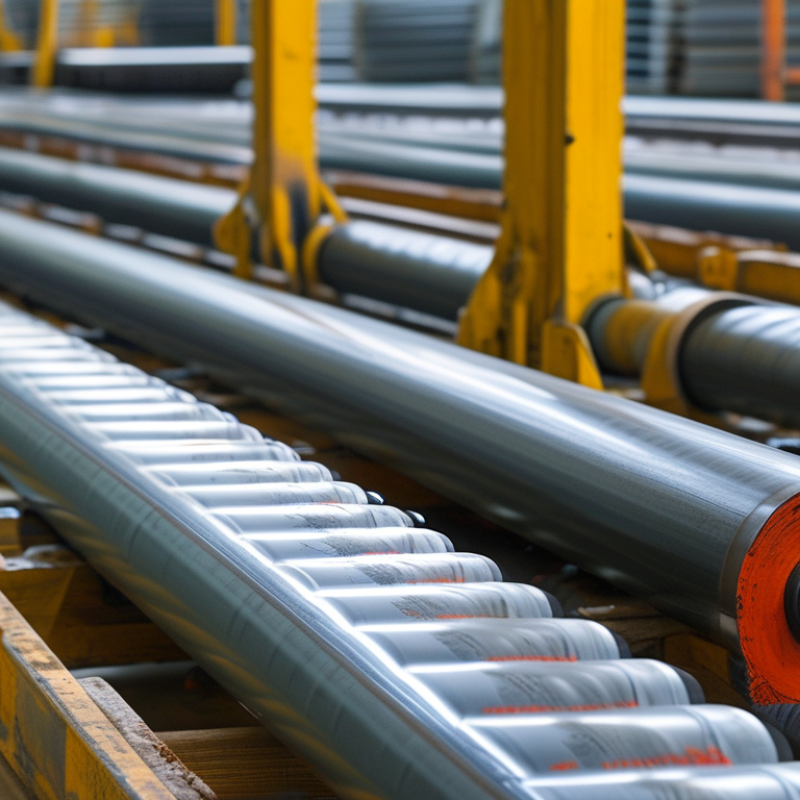
Conical idlers offer significant advantages in material handling systems. Their unique shape provides optimal load support. This design reduces material spillage, which can be costly. Industry reports indicate that using conical idlers can lead to a 20% reduction in maintenance costs due to decreased wear and tear. Additionally, the efficient alignment they provide minimizes material misalignment. This enhances overall system reliability.
Furthermore, conical idlers can improve energy efficiency. Research shows they can reduce energy consumption by up to 15% during operation. This is crucial for projects aiming for sustainability. However, it's essential to consider installation expertise. Incorrect setup can negate the benefits, leading to increased operational challenges. Careful planning and training are vital for maximizing performance.
Adopting conical idlers enables better throughput in conveyor systems. They manage heavier loads effectively, optimizing the transport of bulk materials. However, industries must weigh the initial investment against long-term gains. Regular assessments and adjustments may be necessary to fully realize the benefits of these innovative components.
| Benefit | Description |
|---|---|
| Improved Material Flow | Conical idlers facilitate a smoother and more efficient flow of materials, minimizing blockages. |
| Enhanced Stability | The design of conical idlers enhances system stability, reducing the risk of misalignment. |
| Reduced Material Wear | Conical idlers help to decrease the wear and tear on materials by distributing weight evenly. |
| Lower Energy Consumption | They enable more energy-efficient operations, reducing overall energy costs. |
| Enhanced Safety | The stability and efficiency of conical idlers promote a safer working environment. |
| Versatility | Conical idlers can be used in various material handling applications, making them highly versatile. |
| Maintenance Reduction | They require less maintenance compared to traditional idlers, reducing downtime and costs. |
| Improved Load Distribution | Conical idlers are designed to distribute loads evenly across the conveyor system. |
| Increased Lifespan | The robust design of conical idlers contributes to a longer lifespan of both the idlers and the conveyor system. |
| Cost Effectiveness | By improving efficiency and reducing maintenance costs, conical idlers can be a cost-effective solution. |
: Conical idlers provide optimal load support and reduce material spillage. They enhance system reliability and reduce maintenance costs.
Reports indicate up to a 20% reduction in maintenance costs. This is due to decreased wear and tear on components.
Yes, they can reduce energy consumption by up to 15% during operation. This is vital for sustainable projects.
Incorrect installation can negate benefits. Proper planning and training are essential for maximizing their performance.
They enable better throughput by managing heavier loads effectively. This optimizes the transport of bulk materials.
Yes, they help identify wear early. Regular assessments ensure the long-term benefits of conical idlers are maintained.
Not all applications see the same improvements. Thorough analysis is necessary to ensure they fit project needs.
Proper installation and maintenance are crucial. Without them, the advantages may not be fully realized.
They must weigh the initial investment against potential long-term gains. This requires detailed project analysis.
The unique shape minimizes friction and enhances belt alignment, contributing to lower wear and extending component lifespan.
Conical idlers play a crucial role in enhancing the efficiency and reliability of material handling systems. By improving conveyor efficiency, they ensure that materials are transported smoothly and effectively, minimizing energy consumption and operational disruptions. Their unique design significantly reduces wear and tear on components, contributing to the longevity of the idlers and lowering maintenance costs.
Additionally, conical idlers facilitate improved load distribution, which can have a positive impact on conveyor design and overall system performance. As a result, industries utilizing these idlers can experience substantial cost savings and increased productivity, making them a valuable investment in any industrial application. Overall, the integration of conical idlers into material handling systems offers numerous advantages that enhance operational efficiency and effectiveness.

 Boao Rubber