2026 Top Conveyor Drums Guide for Global Buyers?

Time:2026-09-05 Author:Madeline
0%

In the rapidly evolving landscape of material handling, understanding the nuances of Conveyor Drums is vital for global buyers. According to industry expert John Matthews, "Choosing the right Conveyor Drums can greatly enhance efficiency and reduce downtime." His insights reflect the growing importance of selecting high-quality components in logistics.

Conveyor Drums play a crucial role in various industries, from mining to manufacturing. Each drum needs careful consideration. Buyers must be aware of the differences in design and function. A poorly chosen drum can lead to inefficiencies and costly repairs.

Moreover, while many suppliers claim to offer the best products, it's essential to verify their credibility. Quality assurance and material integrity should not be compromised. In an industry where every detail matters, informed decisions can significantly impact operational success. The conversation around Conveyor Drums is ongoing, highlighting the balance between innovation and reliability.
2026 Top Conveyor Drums Guide for Global Buyers?

Understanding Conveyor Drums: Definition and Functionality

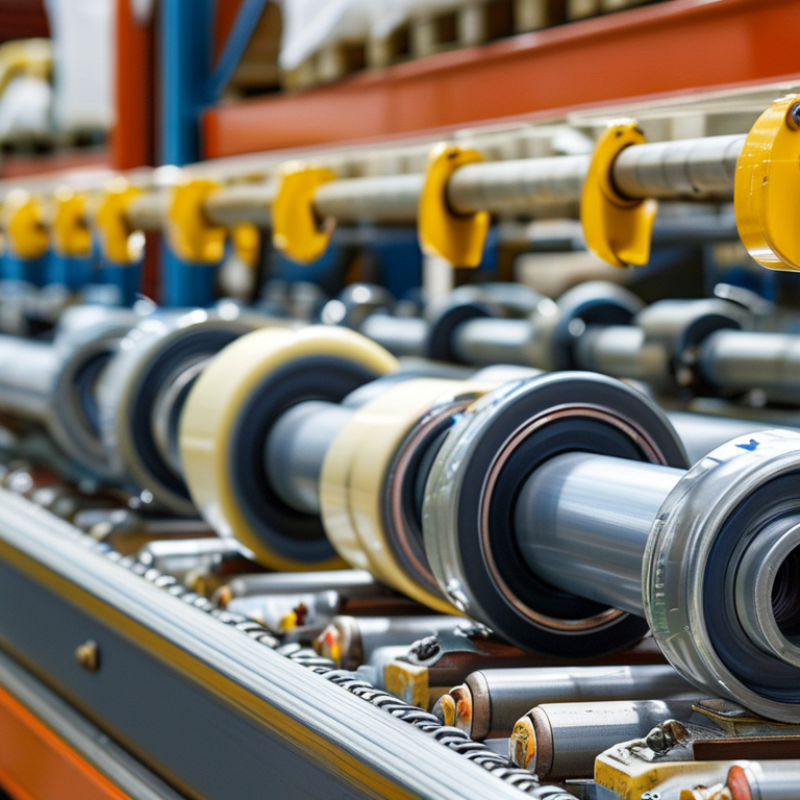
Conveyor drums play a crucial role in material handling systems. They are cylindrical components that provide the necessary support and movement for conveyor belts. These drums are typically located at the end of conveyor systems, allowing the belt to loop around them efficiently. Understanding their function is essential for anyone involved in manufacturing or logistics. The efficiency of a conveyor system often hinges on the quality of its drums.

The construction of conveyor drums can vary based on their intended use. Some might have a smooth surface for standard applications, while others feature textured surfaces for increased traction. The material of these drums is also significant, as it must withstand various environmental conditions. A poorly designed drum can lead to belt misalignment and increased wear. Regular maintenance of these components is essential to ensure longevity and optimal performance. Ignoring drum wear could result in unexpected downtimes and costly repairs.

In summary, conveyor drums are not just mechanical components; they are vital to operational efficiency. Their design and material selection are key factors that impact the entire system. Choosing the right drum requires thoughtful evaluation of the specific application and environment it will operate in. The importance of this decision cannot be overstated, as it may define the success of a conveyor system.

Types of Conveyor Drums: A Comprehensive Overview for Buyers

When considering conveyor drums, understanding the types available is crucial. There are several types, each designed for specific applications. For instance, rubber-covered drums are favored in industries that require grip and resilience. They work well in environments where materials can be abrasive. Steel drums, on the other hand, offer durability and were primarily used in heavy-duty operations.

Another notable type is the crowned drum. This design helps in aligning the belt during operation. It minimizes the chances of misalignment that could lead to increased wear and tear. However, some users find that crowned drums require careful installation and maintenance, which can be a drawback. Additionally, magnetic drums are specialized for handling ferrous materials. While they can improve efficiency, they might not be suitable for all setups.

The diversity in conveyor drum types reflects the varying needs of businesses. Buyers should consider factors like material type, application, and operational environment. It is vital to weigh these details against the maintenance required for each type. Investing time in research can prevent costly mistakes and ensure the right choice for their specific needs.

Material Considerations: Selecting the Right Drum for Your Needs

Selecting the right conveyor drum involves careful consideration of materials. Different applications require different drum properties. Steel drums, for instance, are robust and ideal for heavy-duty tasks. However, they may be prone to rust if not properly coated. Aluminum drums are lighter but can sometimes lack the strength needed for rigorous applications.

When choosing a drum, consider the operating environment. High-temperature or corrosive settings necessitate specialized materials. Protective coatings can extend the lifespan of a drum in harsh conditions, but they may also alter performance. It's crucial to balance durability with functionality.

Look into the weight capacity needed for your projects. A miscalculation can lead to breakdowns, impacting productivity. Assessing your operational requirements is essential. Reflect on past experiences where material choices affected performance; these lessons can guide your current selections. The right drum can enhance efficiency, but the wrong choice might disrupt workflow.

Key Factors in Choosing Conveyor Drums: Size, Design, and Efficiency

When selecting conveyor drums, several key factors must be considered. Size is critical. It directly influences the efficiency of material transport. Narrow drums may lead to quicker wear. On the other hand, oversized drums can consume unnecessary power. Finding the right balance is essential for optimal performance.

Design matters significantly as well. Consider the material and construction of the drums. High-quality materials enhance durability. Innovative designs can improve grip and reduce slippage. Yet, the complexity of a design may also introduce challenges in maintenance. Simplicity can be beneficial in ensuring longevity and ease of repair.

Efficiency is the ultimate goal in choosing conveyor drums. It's important to evaluate the energy consumption in relation to load capacity. A drum that uses more energy than necessary increases operational costs. Regular performance assessments help in identifying areas for improvement. Sometimes, a less complex solution yields better results. Balancing these factors requires careful consideration and reflective thinking.

2026 Top Conveyor Drums Guide for Global Buyers

Drum Size (mm) Design Type Efficiency Rating Material Type Load Capacity (kg)
600 Standard A+ Steel 1000
800 Lightweight B Aluminum 700
1000 Heavy-Duty A Composite 1500
1200 Custom A++ Stainless Steel 2000
1500 Standard B+ Carbon Steel 2500

Market Trends and Innovations in Conveyor Drum Manufacturing for 2026

The conveyor drum manufacturing industry is experiencing significant changes as we approach 2026. Innovations in material technology are at the forefront, promising enhanced durability and performance. According to industry reports, the global market for conveyor drums is expected to grow by over 5% annually through 2026. This growth is driven by the increasing demand in sectors like mining, manufacturing, and logistics. The integration of lightweight materials contributes to energy efficiency, reducing operational costs.

Recent trends indicate a shift towards smart conveyor systems. These systems utilize IoT technology to monitor drum performance in real-time. This innovation allows for predictive maintenance, reducing downtime by up to 30%. However, while the benefits are clear, the initial investment in such technology can be a barrier for smaller operations. Many companies still grapple with the feasibility of integrating advanced systems into existing workflows.

Sustainability is also becoming a priority in the industry. Reports highlight that consumers are increasingly demanding environmentally friendly solutions. Companies are exploring recyclable materials for conveyor drums. Yet, achieving a balance between performance and sustainability remains a challenge. There is still much work to be done to make these innovations accessible and practical for all players in the market.

FAQS

: What types of conveyor drums are available?

: There are several types, including rubber-covered, steel, crowned, and magnetic drums. Each serves specific applications.

Why are rubber-covered drums popular?

They offer grip and resilience, ideal for abrasive environments. Their durability meets harsh operational needs effectively.

What is a crowned drum?

A crowned drum helps align the belt during operation. It reduces misalignment and the risk of wear and tear.

Are there any drawbacks to crowned drums?

Yes, they require careful installation and maintenance, which some users may find challenging. This can lead to added costs.

What factors should be considered when choosing conveyor drums?

Key factors include size, design, material type, and efficiency. Each impacts performance and maintenance.

How does drum size affect efficiency?

Size influences material transport efficiency. Narrow drums wear quickly, while oversized drums waste energy. Finding balance is key.

What role does design play in drum selection?

Design impacts durability and grip. Simple designs may ease maintenance, while complex ones can introduce repair challenges.

Why is energy efficiency important?

Choosing an efficient drum lowers operational costs. Energy consumption must match load capacity for optimal performance.

How can regular assessments improve drum performance?

They identify inefficiencies and areas for improvement. Reflective thinking may reveal simpler, effective solutions.

What should buyers focus on during their research?

Buyers need to weigh material type, application, and maintenance. Research prevents costly mistakes and ensures suitable choices.

Conclusion

The article titled "2026 Top Conveyor Drums Guide for Global Buyers" serves as a comprehensive resource for understanding the vital role of Conveyor Drums in material handling systems. It begins by defining what Conveyor Drums are and how they function within various conveyor setups. The article then highlights the different types of Conveyor Drums available, providing a detailed overview that aids buyers in making informed decisions based on their specific needs.

Furthermore, the guide emphasizes the importance of material selection when choosing Conveyor Drums, ensuring durability and efficiency. Key factors such as size, design, and operational efficiency are discussed to help buyers navigate their options effectively. Finally, the article explores market trends and innovations anticipated in Conveyor Drum manufacturing for 2026, offering insights into advancements that could enhance performance and sustainability in conveyor systems.


Madeline

Madeline

Madeline is a dedicated marketing professional with a wealth of expertise in our company's core offerings. With a keen understanding of the industry, she brings a unique perspective to her role, consistently delivering high-quality content that highlights the superior aspects of our products. As......